Optimize Your Potato Harvest: Expert Guide to Preparing Soil
Potatoes are a versatile and nutritious staple in many diets, and growing them at home can be a rewarding experience. However, the success of your potato crop largely depends on the quality of your soil. In this guide, we'll walk you through the steps to prepare your soil for a bountiful potato harvest.
Before we dive into the specifics, it's important to understand that potatoes thrive in well-draining, loose, and fertile soil. They prefer a pH between 5.0 and 6.5, and grow best in cool weather. With the right soil preparation, you can create an ideal environment for your potatoes to flourish.
Testing and Improving Soil pH
As mentioned earlier, potatoes prefer a slightly acidic to neutral soil pH. To determine your soil's pH, you can use a simple and inexpensive pH testing kit available at most garden centers. If your soil is too alkaline (pH above 7.0), you can lower it by adding sulfur or acidic organic matter like peat moss or coffee grounds.


On the other hand, if your soil is too acidic (pH below 5.0), you can raise it by adding lime. However, be cautious when adding lime, as it can take several months to raise the pH significantly. Always test your soil again after adding amendments to ensure you've achieved the desired pH.
Soil Texture and Drainage
Potatoes need well-draining soil to prevent waterlogging, which can lead to rot and disease. To improve drainage, you can add organic matter like compost or well-rotted manure to your soil. This will also help improve soil texture, making it looser and more friable.


Ideally, your soil should have a loose, crumbly structure that allows water, air, and nutrients to reach the potato roots easily. To test your soil's texture, squeeze a handful of moist soil in your fist. If it forms a loose ball that crumbles easily when poked with your finger, your soil has a good texture. If it forms a tight ball that doesn't crumble, your soil may be too heavy or compacted and needs improvement.
Enriching Soil with Organic Matter
Adding organic matter to your soil is crucial for potato growth, as it improves soil structure, water retention, and nutrient content. Compost, well-rotted manure, and leaf mold are excellent sources of organic matter. Aim to add at least 3-4 inches of organic matter to your soil before planting.
When incorporating organic matter, work it into the top 12 inches of soil using a spade or a rototiller. This will help create a loose, fertile seedbed for your potatoes. Keep in mind that it's best to add organic matter in the fall, allowing it to break down over the winter and be ready for planting in the spring.


Preparing the Soil Bed
Once your soil has the desired pH, texture, and organic matter content, it's time to prepare the soil bed for planting. Potatoes prefer a sunny location with well-draining soil. If your soil is heavy or prone to waterlogging, consider planting in raised beds or mounds to improve drainage.
To prepare the soil bed, dig or till the soil to a depth of at least 12 inches, breaking up any clumps and removing weeds. If you've added organic matter, work it into the soil at this stage. Allow the soil to rest for a few weeks before planting to give it time to settle and warm up.
Rotations and Companion Planting
Potatoes are heavy feeders and deplete the soil of nutrients. To maintain soil health and productivity, it's essential to practice crop rotation. Avoid planting potatoes in the same spot for more than two years in a row. Instead, rotate them with other crops like beans, peas, or leafy greens, which can help improve soil fertility.


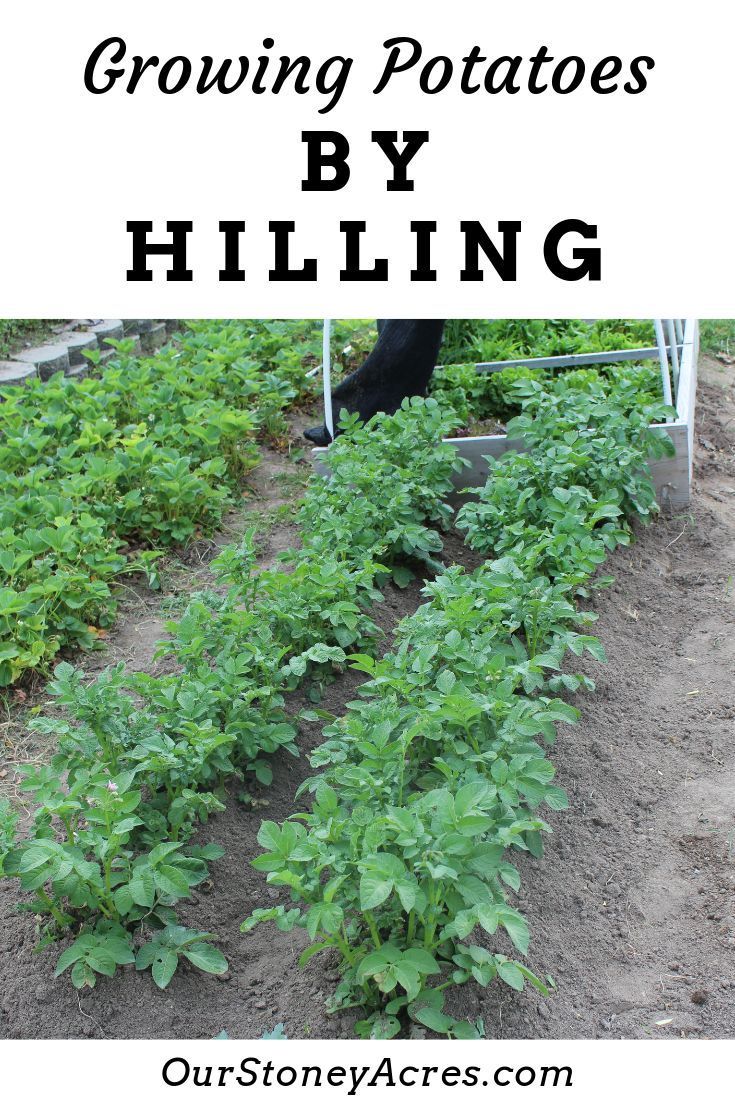

Companion planting can also help improve soil health and potato yield. Potatoes grow well with crops like beans, peas, and carrots. These companion plants can help deter pests, improve soil structure, and provide additional nutrients. However, avoid planting potatoes with crops like tomatoes, cucumbers, and squash, as they are susceptible to the same diseases as potatoes.
With the right soil preparation, you've set the stage for a successful potato harvest. Keep in mind that regular care, including watering, hilling, and pest management, will also play a crucial role in the health and productivity of your potato crop. Happy gardening!
Related Articles

Maximize Your Potato Harvest: A Guide to Using Grow Bags
Grow bags, also known as fabric pots, are an innovative and eco-friendly way to grow potatoes. They provide numerous benefits over traditional plastic or...
Mastering Soil Prep: A Potato Gardener's Guide
Preparing soil for planting potatoes is a crucial step in ensuring a bountiful harvest. Potatoes thrive in well-draining, loose, and fertile soil with a pH...

Mastering Potato Cultivation: A Step-by-Step Guide for Your Garden Bed
Potatoes, a staple in countless cuisines worldwide, can be a rewarding addition to your garden. With the right conditions and care, you can grow a bountiful...

Winterize Your Garden: Expert Tips on Preparing Soil for the Cold Season
As the temperatures begin to drop and the leaves start to change color, it's time to start thinking about preparing your garden for the winter. With a little...

Fall Potato Planting in Zone 8: Maximize Your Harvest
Fall is an ideal time to plant potatoes in USDA Plant Hardiness Zone 8, as it provides the cool weather and moisture that potatoes love. By planting now, your...

Best Soil for Grow Bags: Your Ultimate Guide
Choosing the right soil for your grow bags is crucial for the health and productivity of your plants. With numerous options available, it can be overwhelming...