Mastering Potato Cultivation: A Step-by-Step Guide for Your Garden Bed
Potatoes, a staple in countless cuisines worldwide, can be a rewarding addition to your garden. With the right conditions and care, you can grow a bountiful harvest in your garden bed. Let's delve into the process of growing potatoes, from preparation to harvest.
Before we begin, it's essential to understand that potatoes thrive in cool weather and well-draining soil. They prefer temperatures between 50-70°F (10-21°C) and grow best in full sun. With these factors in mind, let's start our journey into potato cultivation.
Preparing Your Garden Bed
Choosing the right location and preparing your garden bed are crucial steps in growing potatoes.


Select a spot that receives at least 6-8 hours of sunlight daily. Avoid areas with poor drainage, as potatoes do not tolerate waterlogged soil. If your soil is heavy or clay-like, consider planting in raised beds or hills to improve drainage.
Soil Preparation
Potatoes prefer loose, well-draining soil with a pH between 5.0 and 6.5. Work in plenty of organic matter, such as compost or well-rotted manure, to improve soil structure and fertility. This will provide essential nutrients and promote healthy potato growth.


Before planting, test your soil pH and amend it as necessary. If your soil is too alkaline, add sulfur; if it's too acidic, apply lime. Always follow package instructions when using soil amendments.
Choosing and Preparing Seed Potatoes
Start with high-quality, disease-free seed potatoes. You can purchase certified seed potatoes from local nurseries or online retailers. Avoid using potatoes from the grocery store, as they may have been treated to inhibit sprouting and could harbor diseases.
Cut seed potatoes into pieces, ensuring each piece has at least one or two eyes (buds). Allow the cut pieces to heal and dry for a day or two before planting. This helps prevent rot and encourages faster sprouting.


Planting Potatoes
Once your garden bed is prepared and your seed potatoes are ready, it's time to plant.
Plant potato pieces 2-3 inches deep and 12-15 inches apart in rows that are 30-36 inches apart. If you're planting in hills, space them 12-15 inches apart, with 3-4 seed pieces per hill. Rows or hills should be spaced 30-36 inches apart.
Watering and Mulching
Water your potato bed thoroughly after planting. Keep the soil consistently moist but not waterlogged during the growing season. Potatoes need about 1-2 inches of water per week, depending on rainfall and soil type.


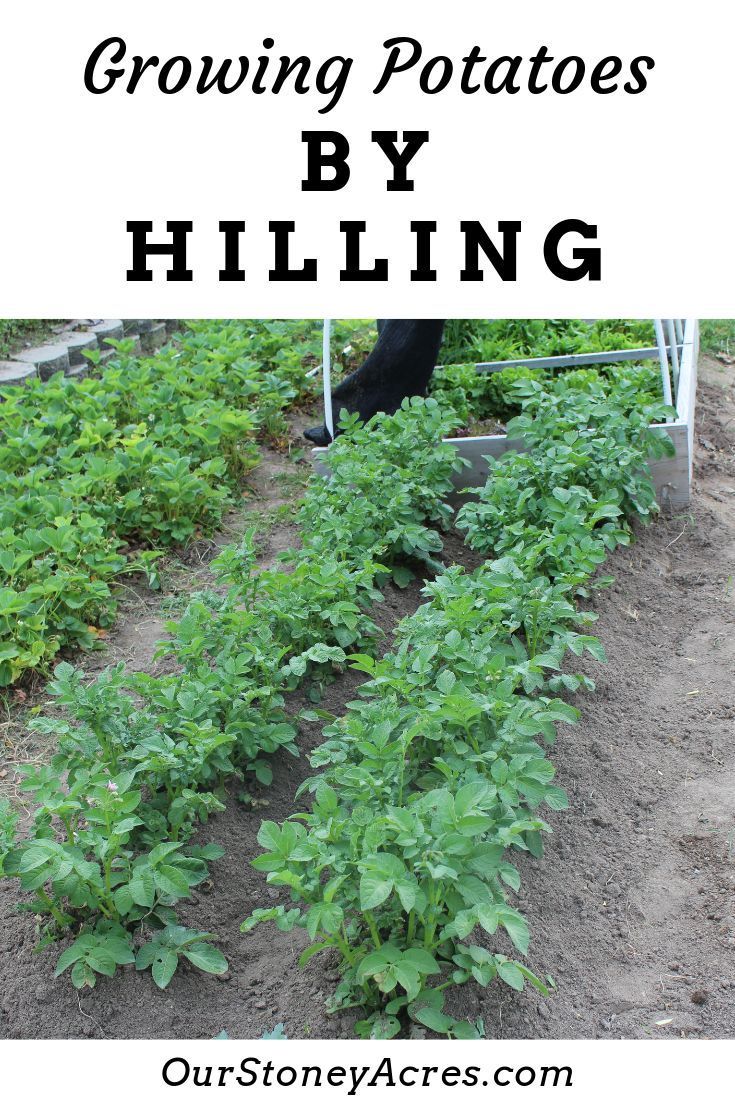


Apply a 2-3 inch layer of organic mulch, such as straw or grass clippings, around the base of the plants to help retain moisture, suppress weeds, and regulate soil temperature. Keep the mulch away from the stems to prevent rot.
Hilling and Earthing Up
As potato plants grow, mound soil around the stems to encourage more tuber formation. This process, called hilling, should be done when the plants are about 6-8 inches tall and again when they begin to flower. Hilling also helps protect tubers from sunlight, which can turn them green and bitter.
Earthing up involves mounding soil around the base of the plants to support them as they grow taller. This helps prevent the plants from falling over and promotes stronger stems. Earthing up should be done when the plants are about 12-18 inches tall.
Caring for Potato Plants
Proper care throughout the growing season is essential for a successful potato harvest.
Fertilize potato plants with a balanced, slow-release fertilizer or a side-dressing of compost when the plants begin to flower. Avoid high-nitrogen fertilizers, as they can encourage excessive foliage growth at the expense of tuber development.
Pest and Disease Management
Monitor your potato plants for pests and diseases throughout the growing season. Common potato pests include Colorado potato beetles, aphids, and wireworms. Use organic or chemical controls as needed, following package instructions.
Potatoes are also susceptible to various diseases, such as late blight, scab, and black spot. Practice crop rotation, remove infected plants, and maintain good garden hygiene to minimize disease risk. Consider using disease-resistant varieties when possible.
Harvesting Potatoes
Potatoes are ready to harvest when the plants turn yellow and die back. For new potatoes (small, tender potatoes with thin skins), dig them up when the plants begin to flower. For mature potatoes, wait until the plants have died back completely.
Use a fork or spade to carefully dig around the plants, taking care not to puncture the tubers. Once harvested, allow the potatoes to cure in a dark, cool place with good air circulation for about two weeks. This helps toughen their skin and improves storage life.
Congratulations! You've successfully grown and harvested your own potatoes. With proper care and attention, you can enjoy a bountiful harvest of these versatile vegetables year after year. Happy gardening!
Related Articles

Optimize Your Potato Harvest: Expert Guide to Preparing Soil
Potatoes are a versatile and nutritious staple in many diets, and growing them at home can be a rewarding experience. However, the success of your potato crop...

Maximize Your Potato Harvest: A Guide to Using Grow Bags
Grow bags, also known as fabric pots, are an innovative and eco-friendly way to grow potatoes. They provide numerous benefits over traditional plastic or...

Epic Potato Growing: Mastering Your Garden
Potatoes, a staple in countless cuisines worldwide, are not only delicious but also surprisingly easy to grow in your own garden. Embarking on an epic...

Mastering Pumpkin Cultivation: A Step-by-Step Guide to Growing Success
Embarking on a journey to grow pumpkins can be an incredibly rewarding experience, especially when you see those vibrant orange orbs adorning your garden or...

Mastering Container Coleus Cultivation: A Step-by-Step Guide
Coleus, with its vibrant foliage and ease of care, is a delightful addition to any container garden. Whether you're a seasoned gardener or just starting out...
Grow Potatoes in a Bag: A Step-by-Step Guide
Have you ever considered growing your own potatoes but lacked the space or knowledge to start? Growing potatoes in a bag is an excellent, space-saving solution...