Why Do Your Hands Itch After Gardening?
Have you ever found yourself mid-garden, pruning roses or weeding your vegetable patch, only to notice your hands feeling unusually itchy? You're not alone. This common gardening experience can be caused by a variety of factors, ranging from allergic reactions to simple skin irritation. Let's delve into the reasons behind this itchiness and explore some solutions to help you enjoy your gardening time without the discomfort.
Gardening is a rewarding hobby that connects us with nature, but it also exposes us to a wide array of plants, insects, and other potential irritants. Understanding what might be causing your itchy hands can help you take appropriate measures to prevent or alleviate the issue.
Allergic Reactions
One of the most common reasons for itchy hands after gardening is an allergic reaction to plants or insects. While some people might be aware of their allergies, others may not realize they're sensitive to certain plants until they start gardening.


Allergic reactions can manifest in various ways, including itchy skin, redness, swelling, and even hives. If you suspect an allergy, it's crucial to identify the culprit. Keep a log of the plants you've handled and observe any patterns in your reactions.
Plant Allergens
Many common garden plants contain allergens that can cause skin irritation. Some of the most notorious offenders include poison ivy, poison oak, and poison sumac, but other plants like daisies, chrysanthemums, and even certain fruits and vegetables can also trigger reactions.


To protect yourself, wear gloves when handling plants you're unsure about. If you do come into contact with a potential allergen, wash your hands thoroughly with soap and cold water as soon as possible. Hot water can open your pores and allow the allergen to penetrate deeper into your skin.
Insect Bites and Stings
Insects like bees, wasps, ants, and mosquitoes can also cause itchy hands, especially if you're allergic to their venom. While most people can tolerate a few insect bites without issue, those with allergies may experience severe reactions that require immediate medical attention.
To minimize the risk of insect bites, wear long sleeves and pants when gardening, and use insect repellent if necessary. Bees and wasps are attracted to sweet smells, so avoid wearing perfumes or strongly scented lotions when working in your garden.


Skin Irritation and Dryness
Even if you're not allergic to any plants or insects in your garden, you might still experience itchy hands due to simple skin irritation or dryness. Gardening exposes your hands to dirt, water, and various substances that can strip your skin of its natural oils and cause irritation.
Regular gardening can also lead to repeated exposure to these irritants, making your skin more susceptible to itchiness over time.
Soil and Dirt
Soil and dirt contain a variety of particles and microorganisms that can irritate your skin, especially if you have sensitive or dry skin. While some people might not notice any issues, others may experience itching, redness, or even eczema flare-ups after prolonged exposure to soil.


To protect your skin, wear gloves when gardening, and moisturize your hands regularly. Opt for gloves made from natural materials like cotton or leather, which can help wick away moisture and keep your hands cool and comfortable.
Harsh Chemicals and Soaps
Gardening often involves using various chemicals, such as pesticides, fertilizers, and cleaning products. These substances can be harsh on your skin, causing irritation and dryness that may lead to itching.
To minimize the impact of these chemicals on your skin, always wear gloves when handling them, and wash your hands thoroughly with a gentle, fragrance-free soap after gardening. Avoid using hot water, as it can further dry out your skin. Instead, opt for lukewarm or cool water to help maintain your skin's natural moisture.
Gardener's Hand
Gardener's hand, also known as contact dermatitis, is a skin condition caused by repeated exposure to irritants or allergens in the garden. Symptoms include itching, redness, swelling, and cracking or peeling skin. While gardener's hand can be uncomfortable, it's usually not serious and can be managed with proper skin care.
If you suspect you have gardener's hand, try to identify the irritant or allergen causing your symptoms. Once you've identified the culprit, take steps to avoid or minimize your exposure to it. In addition, moisturize your hands regularly and consider using a protective barrier cream before gardening to help shield your skin from irritants.
Incorporating these tips into your gardening routine can help alleviate itchy hands and ensure you enjoy your time in the garden without discomfort. By understanding the causes of your itchiness and taking appropriate precautions, you can continue to cultivate your green thumb while keeping your hands happy and healthy.
Related Articles
Gardening's Hidden Itch: Why Do Your Hands Get Itchy After Digging?
Have you ever found yourself with itchy hands after a day of gardening? You're not alone. This common issue can be caused by a variety of factors, from plants...
Gardening Itch: Why Your Palms Are Burning & How to Stop It
Have you ever found yourself with itchy palms after a day of gardening? You're not alone. This common issue can be caused by a variety of factors, ranging from...
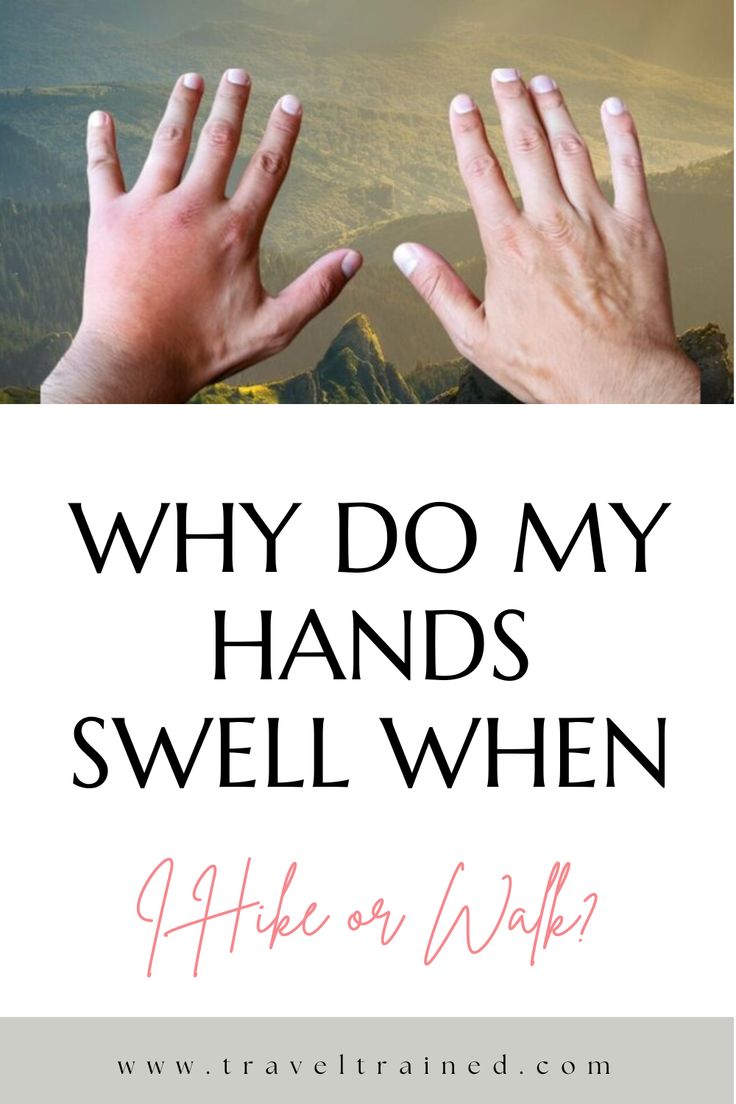
Why Do Your Hands Itch After Walking?
Have you ever found yourself mid-walk, only to notice an uncomfortable, persistent itch in your hands? You're not alone. This peculiar sensation, while not a...

Gardening Itch Relief: Soothing Skin After Outdoor Chores
Have you ever spent a delightful afternoon tending to your garden, only to find yourself scratching and itching later on? You're not alone. Gardening can often...

Why Do Hands Itch After Gardening?
Have you ever found yourself in the middle of a gardening session, only to suddenly feel an uncomfortable itching sensation on your hands? You're not alone...

Gardening Itch Relief: How to Stop the After-Garden Scratch
Have you ever found yourself scratching and squirming after a day spent tending to your garden? You're not alone. Many gardeners experience itchy skin after...