"When to Start Your Veggie Garden: Timing is Key"
Timing is everything when it comes to starting a vegetable garden. Plant too early, and you risk frost damage or poor growth; plant too late, and you might not see a full harvest. So, when should you start your veggie garden? Let's delve into the ideal times and factors to consider for a bountiful harvest.
First, it's crucial to understand that the best time to start your garden varies depending on your location's climate and the specific vegetables you want to grow. Here, we'll explore the optimal planting times for both spring and fall, along with essential factors to consider for a successful veggie garden.
Spring Planting: When to Start Your Garden
Spring is the most popular time to start a vegetable garden, as it offers a wide range of plants to choose from and generally has more favorable weather conditions. However, it's essential to wait for the right moment to avoid frost damage and ensure strong plant growth.


In most regions, the ideal time to start your spring garden is when daytime temperatures consistently reach 60-75°F (15-24°C) and nighttime temperatures stay above 40°F (4°C). You can also use the average last spring frost date as a guide, planting your crops around two weeks before this date for cool-season vegetables and after this date for warm-season vegetables.
Cool-Season Vegetables
Cool-season vegetables, such as lettuce, spinach, and peas, thrive in cooler temperatures and can tolerate light frosts. Plant these crops in early spring, as soon as the soil can be worked, for an early harvest. Some cool-season vegetables can even be planted in late summer or early fall for a second harvest.


Examples of cool-season vegetables include:
- Lettuce
- Spinach
- Peas
- Radishes
- Turnips
- Kale
- Cabbage
- Broccoli
Warm-Season Vegetables
Warm-season vegetables, like tomatoes, peppers, and cucumbers, require warmer soil and air temperatures for optimal growth. Wait until the danger of frost has passed and soil temperatures have reached at least 60°F (15°C) before planting these crops.


Examples of warm-season vegetables include:
- Tomatoes
- Peppers
- Cucumbers
- Zucchini
- Squash
- Eggplant
- Beets
- Carrots
Fall Planting: Extending Your Growing Season
In many regions, fall offers an excellent opportunity to extend your growing season and harvest a second crop of vegetables. Fall planting is particularly suitable for cool-season vegetables, which can tolerate light frosts and grow well in cooler temperatures.


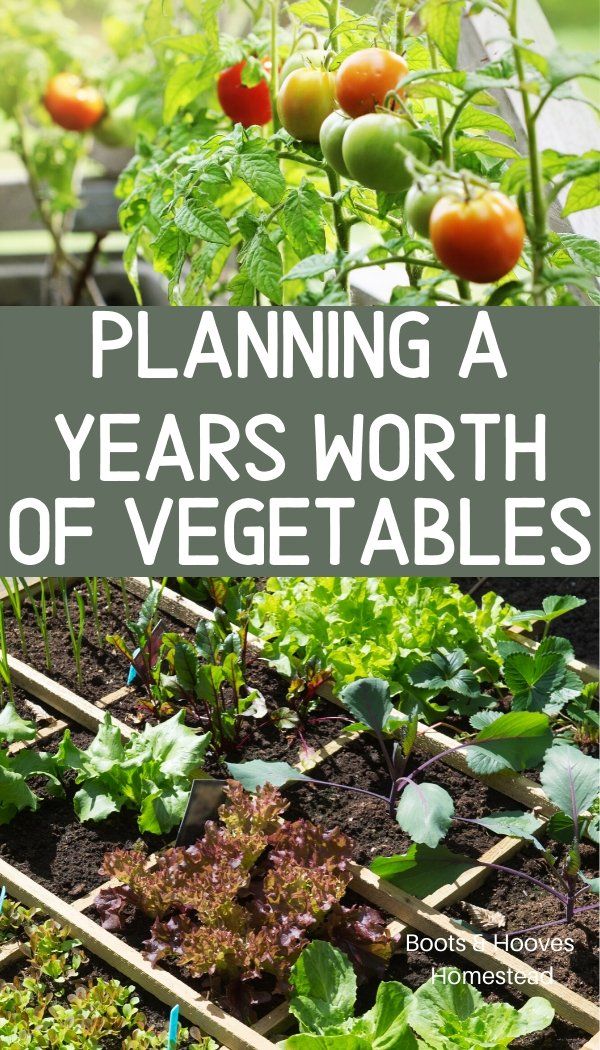


To determine the best time to start your fall garden, look at the average first fall frost date for your area. Plant your crops around six to eight weeks before this date, allowing enough time for the vegetables to mature before the first frost.
Cool-Season Vegetables for Fall Planting
Many cool-season vegetables can be planted in late summer or early fall for a fall harvest. These crops will mature before the first frost and can even tolerate light frosts, providing you with a continuous supply of fresh produce throughout the season.
Some cool-season vegetables, like spinach and lettuce, can even be planted in early fall and harvested throughout the winter in mild climates. In colder regions, consider using row covers or cold frames to protect your fall crops from frost and extend your growing season.
Root Vegetables for Fall Planting
Root vegetables, such as carrots, beets, and radishes, can be planted in late summer or early fall and harvested throughout the winter. These crops often improve in flavor after being exposed to light frosts and can even be left in the ground and harvested as needed throughout the winter months.
Examples of root vegetables suitable for fall planting include:
- Carrots
- Beets
- Radishes
- Turnips
- Parsnips
- Rutabagas
Starting your veggie garden at the right time is crucial for a successful harvest. By understanding the ideal planting times for your region and the specific vegetables you want to grow, you can ensure a bountiful and enjoyable gardening experience. So, get out there, get your hands dirty, and start reaping the rewards of your labor. Happy gardening!
Related Articles

Timing Your Redwood Fence: When to Stain Your New Fence
Embarking on a home improvement project like installing a new redwood fence can be an exciting endeavor. Once the fence is up, the next step is often staining...
Veggie Garden Hours: Timing Your Harvest
Embarking on a vegetable gardening journey is a rewarding experience, and understanding the concept of "veggie garden hours" is crucial for maximizing your...

When to Start Planting in Alaska: Timing Your Garden's Success
Embarking on the gardening journey in Alaska, with its distinct climate and long winters, requires careful planning and timing. Knowing when to start planting...

Small Garden Veggie Ideas: Maximize Your Space
Transforming a small garden into a thriving vegetable patch is not only rewarding but also a fantastic way to ensure fresh, organic produce right at your...

Timing Tomato Seeds in Alaska: When to Start for Success
Embarking on a gardening journey in Alaska, especially with crops like tomatoes, presents unique challenges due to the state's cooler climate and shorter...

Potted Veggie Garden: A Beginner's Guide
Embarking on the journey of growing your own vegetables can be incredibly rewarding, and starting a vegetable garden in pots is an excellent way to begin...