Stepside Gardening: Best Plants to Grow Next to Your Stairs
When designing your garden, careful consideration should be given to what plants you place next to steps. Not only do you want to create an aesthetically pleasing space, but you also need to ensure safety and accessibility. Let's explore some plant options that can enhance the beauty of your steps while keeping them safe and navigable.
Firstly, consider the size and growth habits of the plants you choose. You'll want to avoid plants that will grow too large and block the steps or create tripping hazards. Additionally, opt for plants that are easy to maintain and won't require excessive pruning or care that could lead to neglect and potential hazards.
Low-Growing Ground Covers
Ground covers are an excellent choice for planting next to steps. They create a lush, green carpet that can help prevent erosion and suppress weeds. Plus, they're low-growing, so they won't obstruct your steps.


One popular option is Lamium maculatum, also known as spotted dead-nettle. This plant produces attractive pink or white flowers and grows no more than 12 inches tall. It's also drought-tolerant and low-maintenance, making it an ideal choice for busy gardeners.
Creeping Thyme
Creeping thyme (Thymus serpyllum) is another excellent ground cover option. It grows only 4-6 inches tall and produces small, fragrant, pink or white flowers. This plant is also drought-tolerant and attracts bees, making it a great choice for pollinator gardens.


Moreover, creeping thyme is a hardy plant that can tolerate foot traffic, making it an excellent choice for planting along pathways or steps. Just be sure to choose a variety that's suitable for your climate and soil conditions.
Lily of the Valley
Lily of the valley (Convallaria majalis) is a charming, low-growing plant that produces delicate, bell-shaped flowers in the spring. It grows no more than 6-12 inches tall and spreads slowly by underground stems, making it easy to control.
However, it's essential to note that lily of the valley contains toxic compounds, so it may not be the best choice if you have pets or small children who might ingest the plant. Always consider the safety of your garden visitors when choosing plants.


Shrubs and Small Trees
If you're looking to add some height and structure to your steps, consider planting shrubs or small trees. Just be sure to choose plants that won't outgrow the space and block the steps or create hazards.
One excellent option is the Dwarf Alberta Spruce (Picea glauca 'Conica'). This compact evergreen grows slowly to a height of about 12 feet, making it an ideal choice for planting near steps. It also provides year-round interest with its dense, dark green needles.
Boxwood
Boxwood (Buxus) is a versatile shrub that can be pruned into formal hedges or left to grow naturally. It's an excellent choice for planting next to steps, as it grows slowly and maintains a neat, compact shape.


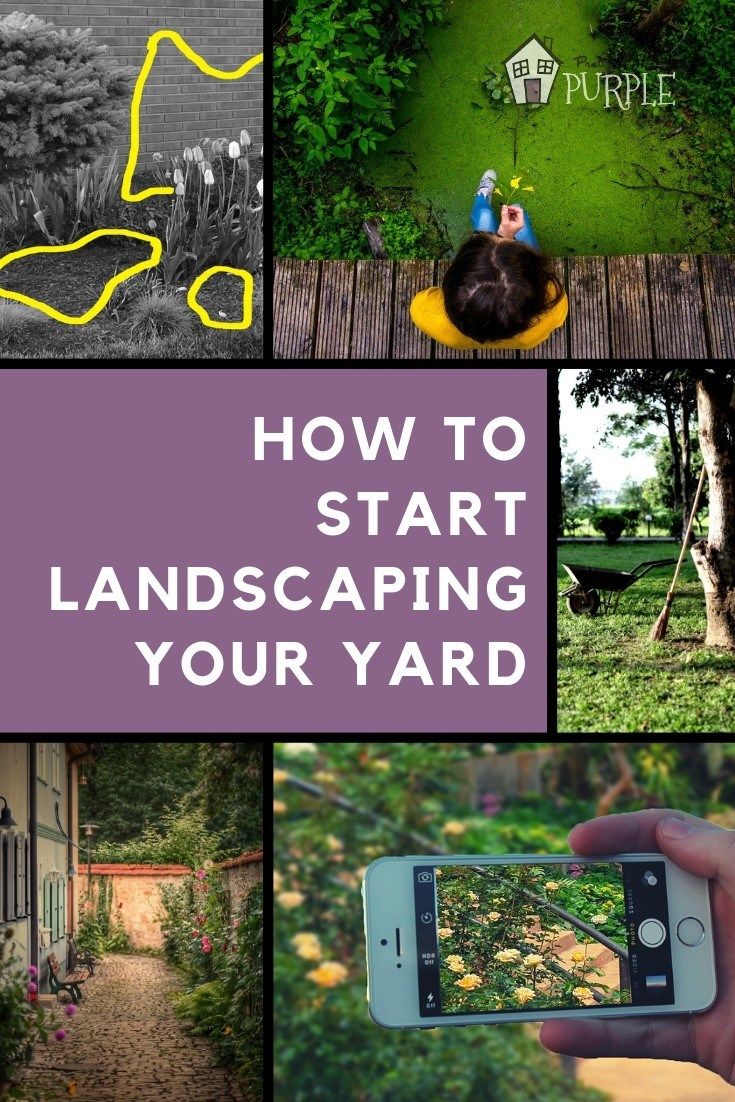


Consider using boxwood to create a low hedge along the base of your steps. This can help define the space and add a touch of elegance to your garden. Just be sure to choose a variety that's suitable for your climate and soil conditions, and provide regular pruning to maintain its shape.
Flowering Shrubs
Flowering shrubs can add a burst of color to your steps and create a welcoming entrance to your home. One popular option is the Azalea (Rhododendron). Azaleas produce showy flowers in a wide range of colors and grow well in partial shade, making them an excellent choice for planting under trees or on the north side of your home.
However, it's essential to choose an azalea variety that's suitable for your climate and soil conditions. Some azaleas are more cold-hardy than others, so be sure to select a variety that can withstand the winter temperatures in your area.
In conclusion, when choosing plants for your steps, consider their size, growth habits, and maintenance requirements. Opt for low-growing ground covers, compact shrubs, and small trees that won't block the steps or create hazards. By selecting the right plants, you can create a beautiful, safe, and navigable entrance to your home. So, start planning your garden today and enjoy the process of transforming your outdoor space into a welcoming oasis.
Related Articles

July Gardening in Zone 7: Best Plants to Grow Now
July in zone 7, characterized by warm days and mild nights, presents an ideal window for gardeners to plant a variety of vegetables, herbs, and flowers. With...

Fall Gardening in Tennessee: Top Plants to Grow Now
As the air turns crisp and the leaves begin to change color, gardeners in Tennessee start to think about fall planting. Autumn is an ideal time to prepare your...

Maximize Your Space: Best Plants for Narrow Strips
Transforming narrow strips of land into vibrant, lush spaces can be a rewarding challenge. Whether it's a thin border around your house, a skinny garden...

Best Plants for Trellises: Vertical Gardening Ideas
Trellises are versatile structures that can transform your garden or balcony into a lush, vertical oasis. They provide support and allow plants to grow...

Maximize Your Space: Top Plants for 3 Gallon Grow Bags
Embarking on a gardening journey with limited space? Three-gallon grow bags are your compact, versatile solution. They're perfect for balconies, small yards...

Best Shade-Tolerant Climbing Plants: Top Choices for Vertical Gardening
When it comes to transforming shady areas into lush, vertical gardens, climbing plants are your secret weapons. But with countless species to choose from...