Ideal Home Temperature: What Should It Be?
When it comes to creating a comfortable living environment, one of the most crucial factors to consider is the ideal home temperature. After all, a space that's too hot or too cold can lead to discomfort, poor sleep, and even health issues. But what exactly constitutes the 'ideal' temperature? Let's delve into this topic, exploring the science behind it, the impact on our bodies, and practical tips to maintain a comfortable home.
Before we dive in, it's essential to understand that the 'ideal' temperature can vary greatly from person to person, depending on factors such as age, health, and personal preference. However, research and general consensus among health experts provide a useful starting point.
Understanding the Science Behind Home Temperature
The human body maintains its core temperature within a narrow range, typically between 97°F (36.1°C) and 99°F (37.2°C). To regulate this temperature, our bodies use various mechanisms, including sweating and shivering. When the environment is too hot or too cold, these mechanisms kick into action, but they're not always effective, leading to discomfort or even health risks.

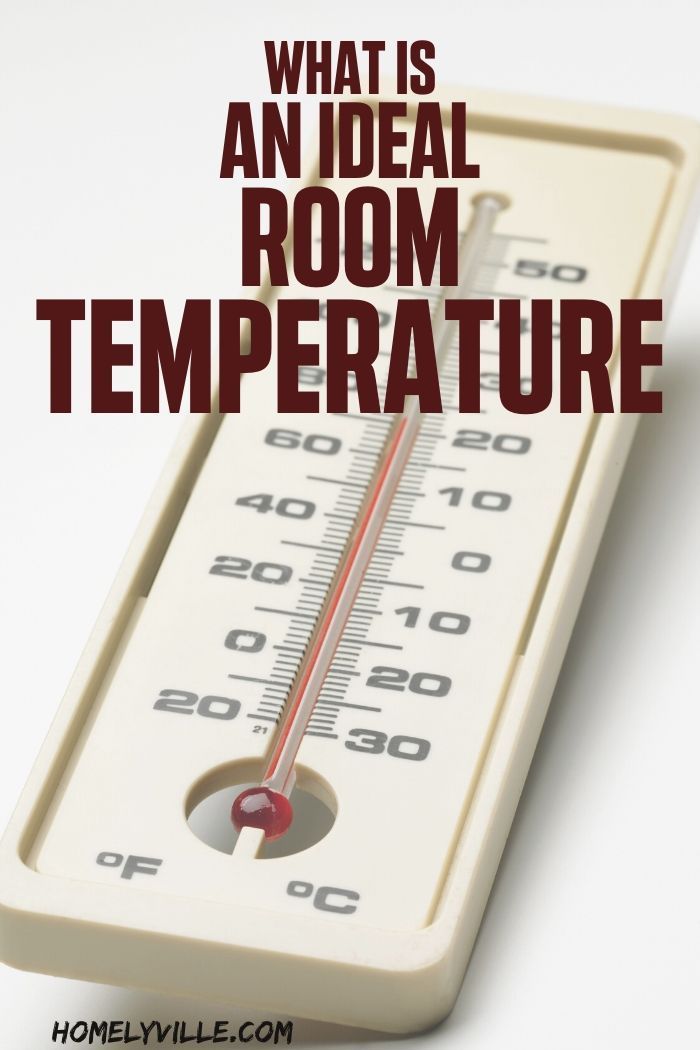

In terms of home temperature, the U.S. Environmental Protection Agency (EPA) recommends maintaining indoor temperatures between 68°F (20°C) and 78°F (25.5°C) for optimal comfort and energy efficiency. However, these are just guidelines, and individual preferences may vary.
Why Maintaining Ideal Home Temperature Matters
Maintaining the ideal home temperature isn't just about comfort; it also impacts our health and well-being. For instance, extreme temperatures can exacerbate health conditions like asthma, heart disease, and respiratory infections. They can also disrupt our sleep, leading to fatigue, poor concentration, and mood disturbances.


Moreover, consistent exposure to extreme temperatures can lead to heat-related or cold-related illnesses. According to the Centers for Disease Control and Prevention (CDC), extreme heat causes more deaths annually in the U.S. than any other weather-related hazard. Therefore, maintaining a comfortable home temperature is not just a matter of personal preference but also a health and safety concern.
Factors Affecting Personal Temperature Preference
As mentioned earlier, personal temperature preference can vary significantly. Several factors contribute to these differences, including:
- Age: Infants and older adults are more susceptible to temperature changes due to less efficient temperature regulation mechanisms.
- Health conditions: Certain health conditions, like thyroid disorders or multiple sclerosis, can affect how the body regulates temperature.
- Activity level: People who are physically active or engaged in strenuous tasks may prefer cooler temperatures.
- Clothing: The type and amount of clothing worn can influence personal temperature preference.
Creating a Comfortable Living Environment
Now that we understand the importance of maintaining the ideal home temperature let's explore practical tips to achieve this.


First and foremost, ensure your home is well-insulated. This includes sealing air leaks around windows, doors, and other openings. Proper insulation helps maintain a consistent indoor temperature, reducing the need for heating or cooling systems to work overtime.
Heating Your Home Efficiently
During colder months, consider using a programmable thermostat to maintain a consistent temperature. These devices can automatically adjust the temperature when you're away or asleep, saving energy and reducing costs. Additionally, consider using space heaters to warm specific areas of your home, rather than heating the entire space.
Remember, safety is paramount when using heaters. Never leave them unattended, and keep them away from flammable materials. Also, ensure your heating system is regularly maintained to prevent carbon monoxide poisoning.


Cooling Your Home Efficiently
During hotter months, use ceiling fans or portable fans to circulate air and create a wind chill effect. This can make the room feel cooler without actually reducing the temperature, allowing you to set your thermostat higher and save energy. Like heaters, ensure fans are used safely, keeping them out of reach of children and pets.
Consider using window treatments like blinds or curtains to block out the sun and prevent your home from heating up. You can also use energy-efficient appliances and light bulbs to reduce heat generation within your home.
Lastly, always prioritize ventilation. Open windows when possible to let fresh air in, and use exhaust fans in kitchens and bathrooms to remove hot, humid air. This can help maintain a comfortable indoor temperature while also improving air quality.
In essence, creating an ideal home temperature is a balance between personal preference, health considerations, and energy efficiency. By understanding the science behind temperature regulation and implementing practical strategies, you can create a comfortable living environment that supports your well-being and reduces your environmental impact. So, go ahead, adjust that thermostat, and enjoy your perfectly tempered home.
Related Articles

Perfect Meatloaf Every Time: Ideal Temperature & Cooking Duration
Cooking the perfect meatloaf is an art that combines patience, precision, and a deep understanding of heat. The temperature and cooking time are crucial...

Ideal Room Temperature for Babies: What You Need to Know
Creating a comfortable and safe environment for your baby is a top priority for every parent. One crucial aspect often overlooked is the room temperature. So...
Ideal Bedroom Temp for Kids: A Parent's Guide
Creating a comfortable sleep environment for your child is crucial for their growth and development. One key factor to consider is the temperature of their...

Ideal Temperature for Toddler's Room: How Cold Should It Be?
Creating a safe and comfortable environment for your toddler is a top priority for parents. One crucial aspect often overlooked is the temperature of your...

Ideal Mudroom Size: What's Perfect for Your Home?
When it comes to designing a functional and inviting home, the mudroom often plays a crucial role. This transitional space serves as a barrier between the...

Optimal Winter Bedroom Temperature for Kids
Creating a cozy and safe environment for your child is a top priority, especially during the winter months. One crucial aspect of this is maintaining the right...