Types of Wiccan Practices
Wicca, a modern pagan religion, is rich in diversity, with various practices that cater to individual beliefs and preferences. These practices are often influenced by personal spiritual experiences, cultural heritage, and interpretations of ancient traditions. Let's delve into the fascinating world of Wiccan practices, exploring the most common types and their unique aspects.
Wicca is an umbrella term that encompasses a wide range of beliefs and practices, making it challenging to define a one-size-fits-all Wicca. However, at its core, Wicca is a nature-based, dualistic religion that celebrates the divine feminine and masculine, represented by the Goddess and the God. It emphasizes personal experience and freedom of belief, leading to the diverse practices we'll explore.
Ceremonial Wicca
Ceremonial Wicca, also known as British Traditional Wicca, is one of the oldest and most structured forms of Wiccan practice. It was founded by Gerald Gardner in the mid-20th century and is heavily influenced by ceremonial magic and Freemasonry.


Ceremonial Wicca is characterized by its use of structured rituals, elaborate tools, and a hierarchical initiation system. It often follows a specific tradition, such as Gardnerian, Alexandrian, or Seax-Wicca, each with its unique rituals and teachings.
Gardnerian Wicca
Gardnerian Wicca is one of the most well-known forms of Ceremonial Wicca, founded by Gerald Gardner himself. It emphasizes the importance of initiation into a coven, where initiates learn secrets and practices passed down through generations. Gardnerian Wicca is known for its use of the Book of Shadows, a personal grimoire containing spells, rituals, and teachings.


Gardnerian Wicca often follows the Wiccan Rede, "An it harm none, do what ye will," which encourages personal freedom while promoting ethical and responsible behavior. It also celebrates eight Sabbats, or seasonal festivals, throughout the year.
Alexandrian Wicca
Alexandrian Wicca, founded by Alex Sanders and his wife Maxine, is another popular form of Ceremonial Wicca. It is known for its use of complex rituals, elaborate tools, and a strong focus on the divine feminine. Alexandrian Wicca often incorporates elements of ceremonial magic and hermeticism into its practices.
Alexandrian Wicca also follows the Wiccan Rede and celebrates the eight Sabbats. However, it places a greater emphasis on the Goddess and the divine feminine than some other forms of Wicca. It is also known for its use of skyclad rituals, or rituals performed in the nude, as a symbol of spiritual nakedness and vulnerability.


Eclectic Wicca
Eclectic Wicca is a more modern and flexible form of Wiccan practice that draws from a wide range of sources and traditions. Eclectic Wiccans often create their own unique path, blending elements from various Wiccan traditions, as well as other pagan religions, spiritual practices, and even non-pagan sources.
Eclectic Wicca is characterized by its emphasis on personal experience and freedom of belief. Eclectic Wiccans may not follow a specific tradition or initiation system, instead creating their own rituals and practices based on their individual needs and preferences.
Solitary Eclectic Wicca
Solitary Eclectic Wicca is a popular form of Wiccan practice for those who prefer to work alone, rather than as part of a coven. Solitary Wiccans may draw on a wide range of sources and traditions, creating their own unique path that reflects their personal beliefs and experiences.


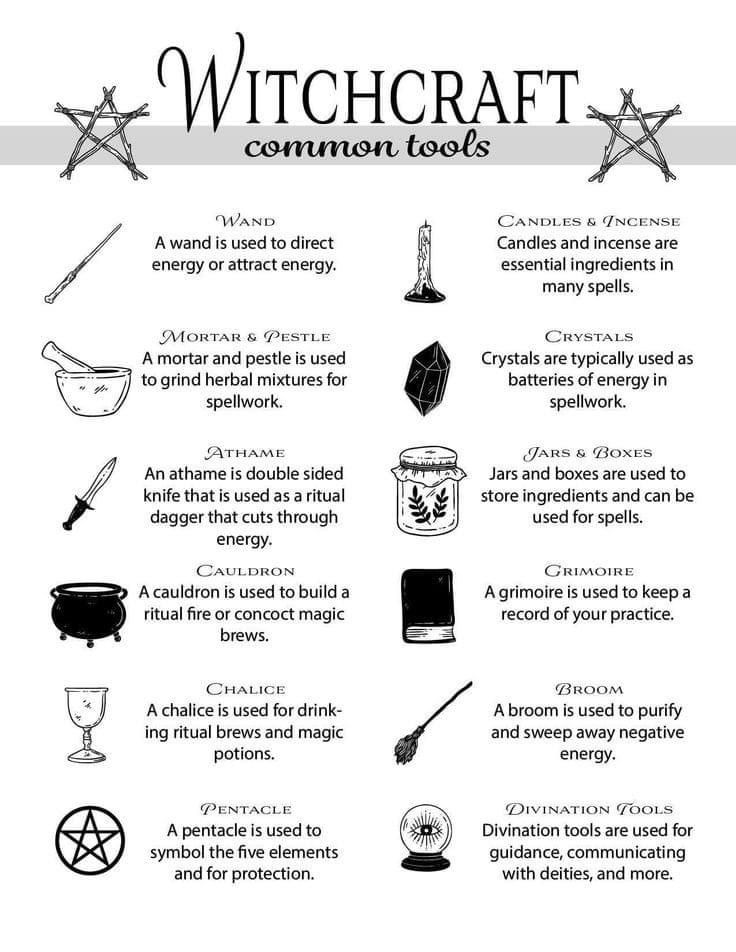


Solitary Eclectic Wicca is often characterized by its use of personal rituals and meditations, as well as the creation of a personal Book of Shadows. Solitary Wiccans may also participate in online communities or local pagan groups to connect with others and share their experiences.
Coven-based Eclectic Wicca
Coven-based Eclectic Wicca is a form of Wiccan practice that combines the flexibility of eclecticism with the structure and support of a coven. Coven-based Eclectic Wiccans may draw on a wide range of sources and traditions, creating their own unique rituals and practices as a group.
Coven-based Eclectic Wicca is often characterized by its emphasis on consensus decision-making and shared leadership. It encourages each member to bring their unique perspective and experiences to the group, creating a dynamic and ever-evolving spiritual path.
In the vibrant tapestry of Wiccan practices, there's a thread for everyone to follow. Whether you're drawn to the structured rituals of Ceremonial Wicca or the flexibility of Eclectic Wicca, there's a place for you in this diverse and inclusive community. So, grab your wand, light your candle, and step onto the path that calls to your heart. Who knows where your spiritual journey will take you?
Related Articles
Types of Wiccan Rituals: A Comprehensive Guide
Wicca, an ancient pagan religion, is rich in ritual practices that honor the divine feminine, celebrate the cycles of nature, and promote harmony and balance...

Wiccan Beliefs: An In-Depth Look at Pagan Practices
Wicca, an ancient yet resurgent spiritual path, has captivated many with its blend of nature worship, witchcraft, and pagan traditions. If you're curious about...
Exploring the Multifaceted World of Wiccan Magic: A Comprehensive Guide to Its Many Types
Wicca, a modern pagan religion, is rich in magical practices that draw upon the natural world and ancient traditions. Wiccans believe in the power of intent...

3 Types of Recycling Containers
In the quest to preserve our planet and reduce waste, recycling has emerged as a crucial practice. A key aspect of this process is the use of recycling...

Explore 10 Stunning Shower Designs: A Comprehensive Guide
When it comes to transforming your bathroom into a personal oasis, the design of your shower can play a significant role. With a myriad of options available...

Best Front Yard Bushes: Top Types and Varieties
When it comes to enhancing your home's curb appeal, the front yard plays a pivotal role. One of the best ways to achieve this is by incorporating a variety of...