Tiered Garden Landscape Design: Elevate Your Outdoor Space
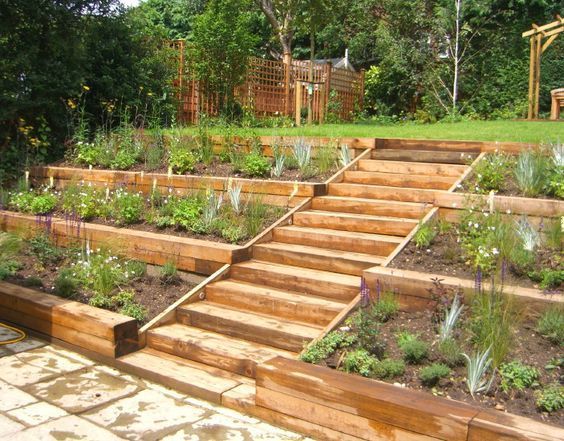
Tiered garden landscaping is an innovative and visually striking approach to garden design that's gaining popularity among homeowners and landscapers alike. This technique involves creating multiple levels or 'tiers' in your garden, each with its own unique features and plantings. By doing so, you not only add depth and dimension to your outdoor space but also create a dynamic and engaging environment that invites exploration.
Tiered gardens are particularly well-suited to sloped or uneven terrain, as they provide a practical solution for managing gradients while also enhancing the aesthetic appeal of your garden. However, even flat gardens can benefit from this design approach, as it allows for the creation of distinct zones or 'rooms' within the space.
Designing Your Tiered Garden
Before you start digging, it's crucial to plan your tiered garden carefully. Consider the overall layout, the materials you'll use for construction, and the plants you want to include. A well-designed tiered garden should flow seamlessly from one level to the next, guiding visitors through the space with a natural, inviting rhythm.


One effective way to plan your garden is to sketch out a rough design on paper, or use a digital landscaping tool to visualize your ideas. This will help you determine the size and shape of each tier, as well as the best placement for features like paths, seating areas, and water features.
Choosing the Right Materials
When selecting materials for your tiers, opt for durable, low-maintenance options that complement your home's architecture and the overall aesthetic of your garden. Popular choices include natural stone, brick, and wood. Retaining walls can be built using a variety of materials, but they should be sturdy enough to withstand the weight of the soil and plants above them, as well as the forces of nature like rain and frost.


Consider using a mix of materials to create visual interest and add texture to your garden. For example, you might use stone for the main retaining walls and incorporate wooden benches or planters to soften the look and add warmth. Alternatively, you could use a combination of materials to create a more rustic, natural appearance.
Creating a Planting Plan
Once you've decided on the layout and materials for your tiers, it's time to choose the plants that will bring your garden to life. When selecting plants, consider factors like sunlight exposure, soil type, and the overall style of your garden. A well-designed planting plan will ensure that your garden looks beautiful throughout the seasons and requires minimal maintenance.
To create a cohesive look, group plants with similar care requirements together and repeat key plants throughout the garden to create a sense of unity. Don't be afraid to mix heights, textures, and colors to create visual interest and add depth to your garden. And remember, tiered gardens provide the perfect opportunity to incorporate a variety of plants, from ground covers and perennials to shrubs and trees.


Maintaining Your Tiered Garden
While tiered gardens can be low-maintenance, they do require some upkeep to ensure they remain safe, functional, and visually appealing. Regularly inspect your retaining walls for signs of wear or damage, and address any issues promptly to prevent costly repairs down the line. Additionally, keep an eye on your plants, pruning as needed to maintain their shape and encourage healthy growth.
To minimize maintenance, choose plants that are well-suited to your garden's conditions and require minimal care. Consider incorporating native plants, which are adapted to local growing conditions and require less water and fertilizer than exotic species. You can also create a more natural, low-maintenance look by allowing some plants to self-seed and spread, creating a lush, wildflower-like effect.
Adding Water Features
Water features can add a touch of elegance and serenity to your tiered garden, while also helping to integrate the different levels and create a sense of harmony. A small pond, fountain, or waterfall can be incorporated into the design of your tiers, providing a focal point and drawing visitors deeper into the garden.



When planning a water feature, consider the size and scale of your garden, as well as the sound and movement of the water. A gentle trickle may be sufficient for a small, intimate garden, while a larger, more dynamic feature might be better suited to a sprawling estate. Be sure to choose a water feature that complements the overall style of your garden and enhances the sense of tranquility and beauty.
In a tiered garden, every level tells a story and offers a new perspective on the space as a whole. By carefully planning and executing your design, you can create a garden that is not only visually stunning but also inviting, engaging, and deeply satisfying to explore. So go ahead, embrace the power of tiers, and let your garden tell its unique tale.
Related Articles

Tiered Garden Ideas UK: Transform Your Outdoor Space
Tiered gardens have become increasingly popular in the UK, offering a creative and efficient way to maximise space and add visual interest to your outdoor...
Tiered Backyard Retaining Wall: Elevate Your Outdoor Space
Transforming your backyard into a functional and aesthetically pleasing space often involves tackling uneven terrain. A backyard tiered retaining wall is an...

Small Garden Statues: Enhance Your Outdoor Space
Nestled within the lush greenery of your garden, small garden statuary can transform ordinary spaces into enchanting oases. These miniature masterpieces, often...

Raised Patio with Railing: Elevate Your Outdoor Space
Transforming your outdoor space into a functional and inviting sanctuary is easier than you think. One of the most impactful ways to achieve this is by...

Garden Design PNW: Transform Your Space
Nestled in the lush, verdant landscapes of the Pacific Northwest (PNW), garden design takes on a unique character, influenced by the region's mild, marine...

PVC Water Garden Ideas: Transform Your Outdoor Space
Immerse yourself in the tranquil beauty of a PVC water garden , a delightful and low-maintenance addition to any outdoor space. PVC, or polyvinyl chloride, is...