Succulent Care Tips: Expert Guide for Thriving Plants
Succulents, with their fleshy leaves and unique shapes, have become a favorite among plant enthusiasts. Their low-maintenance nature and ability to thrive in various conditions make them an excellent choice for both beginners and experienced gardeners alike. Here, we'll delve into the world of succulents, exploring their care needs, and providing you with essential tips to keep your plants healthy and vibrant.
Before we dive into the specifics, let's briefly discuss why succulents are so popular. Succulents are drought-tolerant, requiring minimal watering, and can survive in both indoor and outdoor environments. They come in a wide array of shapes, sizes, and colors, adding a touch of uniqueness to any space. Whether you're looking to create a lush indoor jungle or a vibrant outdoor oasis, succulents are an excellent addition to your plant collection.
Understanding Succulent Care Basics
Caring for succulents involves a few key aspects. By understanding these basics, you'll be well on your way to nurturing your plants to their full potential.


Succulents are native to arid regions, so they've evolved to survive in harsh conditions. This means they require well-draining soil, plenty of sunlight, and infrequent watering. By mimicking their natural environment, you'll provide your succulents with the ideal conditions to thrive.
Choosing the Right Soil and Pot
Succulents require well-draining soil to prevent root rot. A well-aerated potting mix with a high proportion of pumice, perlite, or sand is ideal. You can also find pre-mixed succulent and cactus soil at garden centers. Ensure your pots have drainage holes to allow excess water to escape.

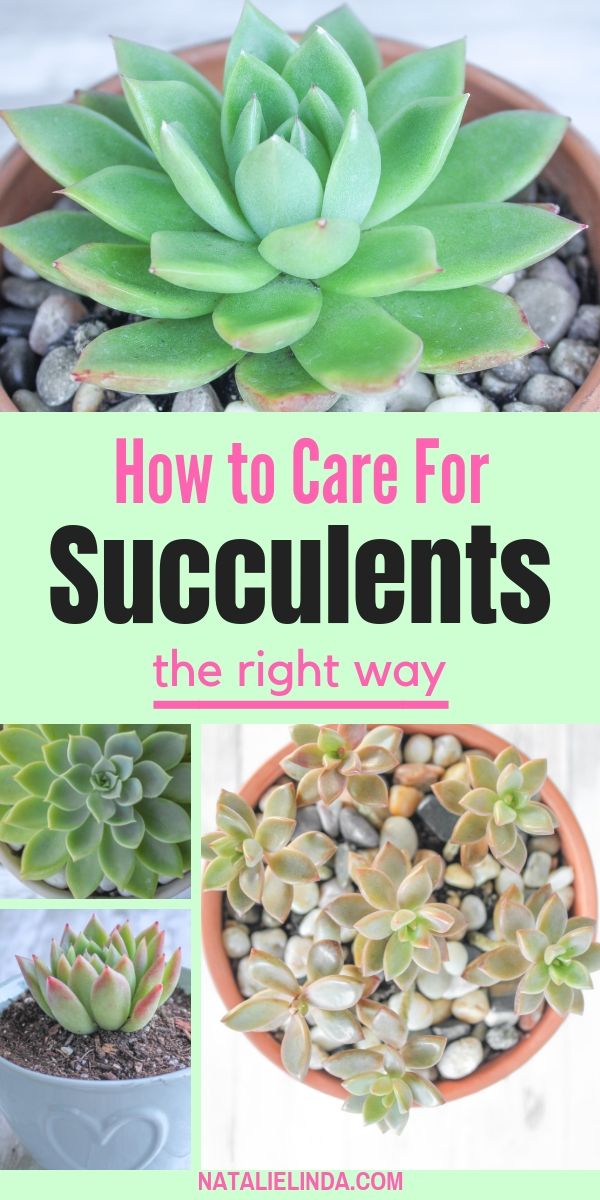

Terracotta pots are an excellent choice for succulents as they help regulate moisture levels and promote better drainage. Additionally, their porous nature allows for increased air circulation, further preventing root rot.
Providing Adequate Light
Most succulents thrive in bright, indirect sunlight. Place your plants near an east- or north-facing window for optimal light conditions. South-facing windows provide intense light, which may be too harsh for some succulents, while west-facing windows offer afternoon sun, which can be beneficial for certain species.
If you're growing succulents indoors and natural light is limited, consider supplementing with artificial grow lights. LED grow lights are an energy-efficient and cost-effective option, providing the full-spectrum light your succulents need to grow and flourish.


Watering Succulents: Less is More
Watering succulents is a delicate balance. Too much water can lead to root rot, while too little can cause your plants to shrivel and die. The key is to water your succulents only when they need it.
Here's a simple watering guide to help you maintain the perfect balance:
- Allow the top inch or two of soil to dry out between waterings.
- Water thoroughly, ensuring the entire root ball is saturated.
- Allow the water to drain completely from the pot.
- Reduce watering frequency during the colder months, as succulents are dormant and require less water.
Identifying Overwatering and Underwatering
Knowing the signs of overwatering and underwatering is crucial for providing your succulents with the right amount of water. Overwatered succulents may exhibit yellowing leaves, soft or mushy stems, and a foul odor emanating from the soil. In contrast, underwatered succulents will have wrinkled or shriveled leaves and may appear limp or lifeless.


If you suspect your succulent is overwatered, allow the soil to dry out completely and repot it in fresh, well-draining soil. If it's underwatered, provide a thorough watering and monitor it closely to ensure it doesn't become dehydrated again.
Fertilizing Succulents: When and How
Succulents generally require less fertilization than other houseplants. However, providing a balanced, water-soluble fertilizer once or twice a year can help promote healthy growth and vibrant colors.
Feed your succulents during the spring and summer months, when they're actively growing. Dilute the fertilizer to half the recommended strength and apply it to the soil, avoiding the leaves and stems. Always flush the soil with water after fertilizing to remove any residual salts.
Propagating Succulents: A Fun and Easy Way to Grow More Plants
Propagating succulents is an enjoyable and rewarding way to expand your plant collection. Many succulents can be propagated from leaf or stem cuttings, making it an excellent option for those looking to create new plants or fill out their garden.
Here's a simple guide to propagating succulents from leaf cuttings:
- Select a healthy leaf from your succulent and gently twist it off.
- Allow the cutting to callous over for a few days. This helps prevent rot and encourages root growth.
- Place the cutting in a well-draining potting mix and lightly water it.
- Provide bright, indirect sunlight and maintain consistent temperatures between 70-90°F (21-32°C).
- Keep the soil consistently moist but not waterlogged. Roots should begin to form within a few weeks.
Once your new succulent has established a strong root system, you can transplant it into a larger pot or acclimate it to outdoor conditions. With proper care, your propagated succulents will grow into healthy, vibrant plants that will bring joy to your garden or indoor space.
Caring for succulents is a rewarding experience that allows you to create beautiful, low-maintenance landscapes and indoor oases. By understanding their unique needs and providing them with the right conditions, you'll be well on your way to cultivating a thriving collection of these fascinating plants. So go ahead, embrace your green thumb, and let your succulent journey begin!
Related Articles

Prayer Plant Care: Expert Tips for Thriving Houseplants
Nurturing the vibrant and exotic Maranta, or prayer plant, in your home can be a rewarding experience. With their striking, patterned leaves that seem to...

Reviving Yellowed Prayer Plants: Expert Care Tips
Have you noticed your once vibrant prayer plants turning yellow, and you're at a loss to understand why? You're not alone. Yellowing leaves can be a cause for...

Steak Knife Usage: Expert Tips & Safety Guide
When it comes to enjoying a perfectly cooked steak, the right cutlery can make all the difference. A good steak knife should be sharp, durable, and comfortable...

Fountain & Pond Maintenance: Expert Tips for Year-Round Care
Fountains and ponds are not only beautiful additions to any outdoor space, but they also require regular maintenance to keep them looking their best and...

Mastering Orchid Care: Expert Gardening Tips
Embarking on the enchanting journey of orchid gardening can be a rewarding experience, as these exotic, elegant flowers add a touch of tropical paradise to any...

Orchid Planting Ideas: Expert Tips for Thriving Blooms
Embarking on the enchanting journey of orchid cultivation can be a rewarding experience, transforming your space into a lush, exotic oasis. With their...