Standard Kitchen Cabinet Shelf Sizes
When it comes to designing or renovating a kitchen, one of the most crucial aspects to consider is the cabinet layout and shelving. Standard kitchen cabinet shelf sizes play a significant role in maximizing storage space and maintaining an organized kitchen. This comprehensive guide delves into the standard shelf sizes, their importance, and how to optimize your kitchen cabinets with the right shelves.
Before we dive into the specifics, it's essential to understand that standard shelf sizes are not one-size-fits-all. They vary based on the cabinet size, type, and manufacturer. However, there are some universally accepted standard shelf sizes that cater to most kitchen cabinet configurations.
Understanding Standard Kitchen Cabinet Shelf Sizes
Standard kitchen cabinet shelf sizes are typically measured in inches and can vary in depth, width, and height. The most common standard shelf sizes are:


- Depth: 12 inches (shallow), 16 inches (standard), and 24 inches (deep)
- Width: 12 inches, 15 inches, and 18 inches
- Height: 12 inches (standard), 16 inches, and 24 inches (tall)
Depth
The depth of a shelf refers to the distance from the front to the back of the cabinet. Shallow shelves (12 inches) are ideal for storing small appliances, spices, or canned goods. Standard depth shelves (16 inches) are suitable for most kitchen items, while deep shelves (24 inches) are perfect for larger pots, pans, or trays.
Consider the items you'll be storing when choosing the right shelf depth. For instance, if you have a collection of large serving dishes, opting for deeper shelves would be more practical.


Width
Shelf width determines how many items can be stored side by side. Narrow shelves (12 inches) are great for small items like spices or condiments, while wider shelves (15 inches or 18 inches) can accommodate larger items like platters or baking sheets.
When selecting shelf widths, think about the items you'll be storing and how many you want to access at once. For example, if you have a large collection of wine glasses, wider shelves would allow you to store more glasses side by side.
Height
Shelf height affects how many layers of items you can store. Standard shelves (12 inches) are suitable for most kitchen items, while taller shelves (16 inches or 24 inches) can accommodate larger items like serving bowls or stock pots.


When deciding on shelf heights, consider the tallest items you'll be storing and ensure there's enough clearance for easy access and removal. For instance, if you have tall mixing bowls, you'll need taller shelves to accommodate them.
Optimizing Your Kitchen Cabinets with the Right Shelves
To make the most of your kitchen cabinets, it's crucial to choose the right shelf sizes based on the items you'll be storing. Here are some tips to help you optimize your kitchen cabinets:
Measure Your Cabinets
Before purchasing shelves, measure the width, depth, and height of your cabinets to ensure the shelves you choose fit perfectly. Keep in mind that some cabinets may have support beams or other obstructions that could affect shelf size.


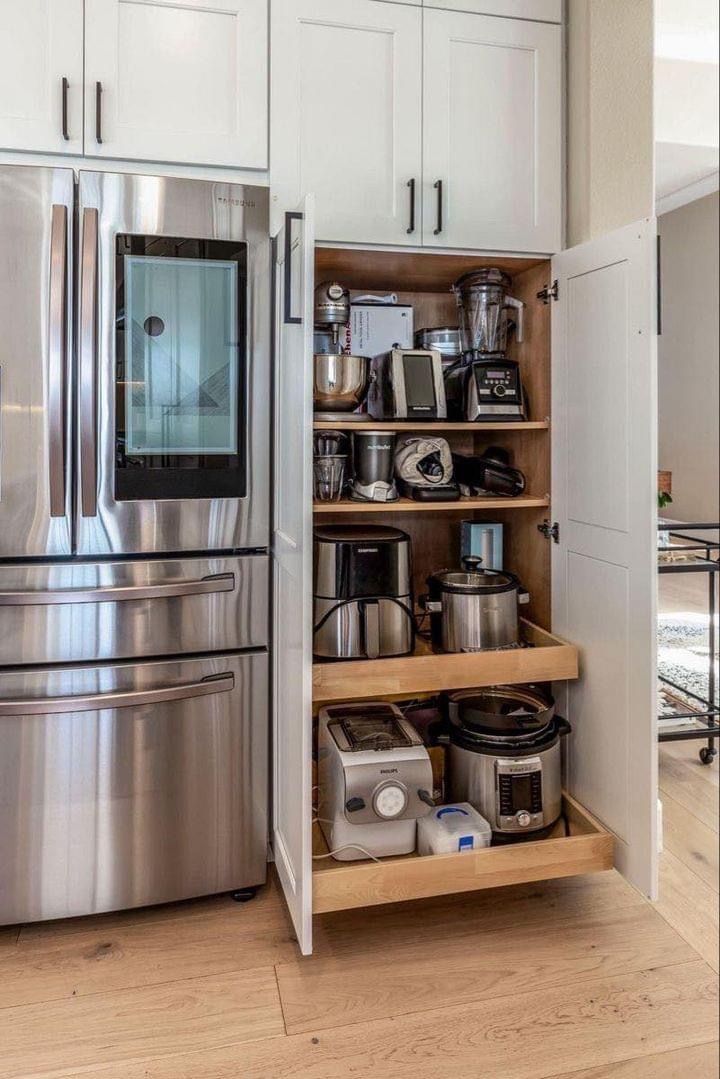
It's also a good idea to measure the items you'll be storing to ensure they fit on the shelves you choose. This will help you create a more organized and efficient storage system.
Consider Adjustable Shelves
Adjustable shelves offer the flexibility to customize the shelf size to fit your specific storage needs. This is particularly useful in cabinets with varying depths or heights. With adjustable shelves, you can create custom-sized shelves for oddly shaped or oversized items.
Adjustable shelves are also an excellent option for growing families or changing storage needs. As your kitchen items evolve, you can easily adjust the shelves to accommodate new or larger items.
Use Dividers and Organizers
In addition to choosing the right shelf sizes, using dividers and organizers can help maximize your storage space and keep your cabinets organized. Dividers can help prevent small items from toppling over, while organizers like trays or bins can keep similar items together and make it easier to find what you need.
When using dividers and organizers, consider the size and shape of the items you'll be storing. For example, if you have a collection of spices, using narrow, shallow dividers would be more practical than using wide, deep dividers.
In a well-designed kitchen, every inch of cabinet space should be utilized efficiently. By understanding standard kitchen cabinet shelf sizes and following the tips outlined above, you can create a functional and organized kitchen that meets your specific storage needs. So go ahead, measure, plan, and create the perfect kitchen cabinet layout with the right shelves for your space.
Related Articles

Maximize Space: Top Shelf Kitchen Cabinet Ideas
When it comes to maximizing your kitchen's storage potential, the often-overlooked upper corner cabinets can be a game-changer. These spaces, though...

How to Remove Upper Kitchen Cabinets
Are you planning to renovate your kitchen or simply looking to create more space? Removing upper kitchen cabinets can be a great way to achieve this. However...

Mastering Kitchen Cabinet Drawer Construction
When it comes to kitchen cabinet design, one of the most crucial aspects is the construction of the drawer. A well-constructed drawer not only ensures smooth...

Mastering Kitchen Cabinet Design: A Comprehensive Guide
Designing cabinets in a kitchen is a rewarding task that combines functionality and aesthetics. With the right planning and creativity, you can transform your...

Rustic Cabin Kitchen Cabinet Ideas
Nestled in the heart of the wilderness, a rustic cabin offers an escape from the hustle and bustle of everyday life. The kitchen, often the hub of any home...

Diy Kitchen Cabinet Liners: Easy & Stylish Upgrades
Transform your kitchen cabinets from drab to fab with DIY kitchen cabinet liners! Not only do they add a touch of elegance and personalization, but they also...