Standard Bedroom Sizes: A Comprehensive Guide
When it comes to designing or renovating your home, one of the most important aspects to consider is the size of your bedrooms. The size of a bedroom can significantly impact its functionality, comfort, and overall aesthetic appeal. But what are the standard bedroom sizes, and how do you know which one is right for your needs?
Standard bedroom sizes can vary depending on the region and the specific home, but there are some general guidelines that can help you determine the best size for your space. In this article, we'll explore the standard bedroom sizes, their pros and cons, and provide tips on how to make the most of your bedroom space.
Understanding Standard Bedroom Sizes
Before we dive into the different standard bedroom sizes, it's essential to understand that these sizes are merely guidelines. The ideal bedroom size ultimately depends on your personal preferences, lifestyle, and the specific layout of your home. With that said, let's look at some of the most common bedroom sizes and their typical uses.


Standard bedroom sizes can range from small, cozy spaces to large, luxurious rooms. Here are some of the most common sizes and their typical uses:
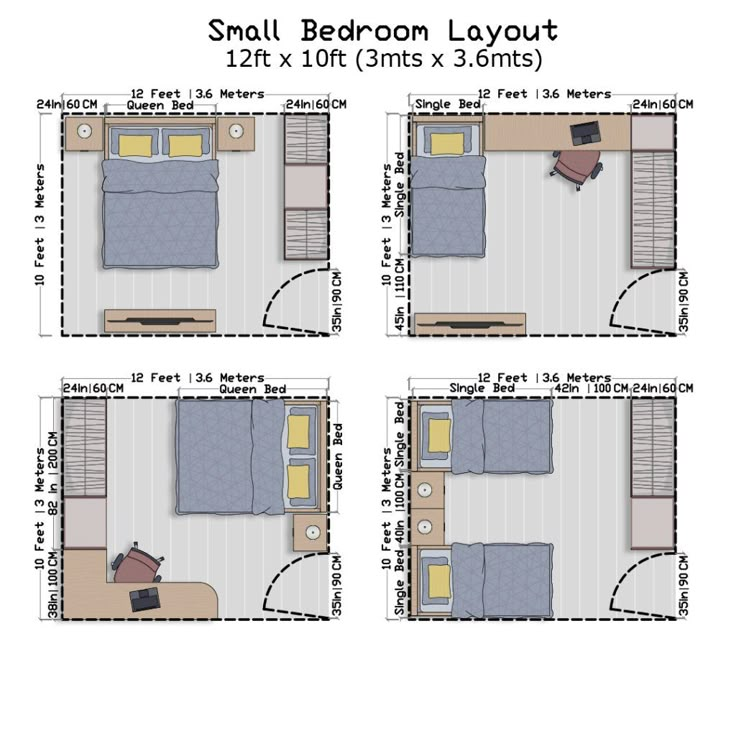
Small Bedrooms (Less than 100 sq. ft.)
Small bedrooms, typically less than 100 square feet, are often used as guest rooms, nurseries, or home offices. While they may lack space for additional furniture, they can be cozy and inviting with the right design elements. To maximize space in a small bedroom, consider using multifunctional furniture, such as a bed with built-in storage or a futon that can double as a sofa.


Pros of small bedrooms:
- Easy to heat and cool
- Requires less furniture and decor
- Can be cozy and intimate
- Limited space for additional furniture
- May feel cramped with too much furniture
- Less suitable for larger families or those who need more space
Medium Bedrooms (100-150 sq. ft.)
Medium-sized bedrooms, ranging from 100 to 150 square feet, are the most common in many homes. These rooms typically accommodate a queen-sized bed, a dresser, and a nightstand, providing enough space for most people's needs. Medium-sized bedrooms can be used as primary bedrooms, guest rooms, or children's rooms.


Pros of medium bedrooms:
- Provides enough space for essential furniture
- Versatile and suitable for various uses
- Easy to arrange and decorate
- May still feel cramped with too much furniture
- Less suitable for larger families or those who need more space
- Requires careful planning to maximize space
Large Bedrooms (150-200 sq. ft.)
Large bedrooms, ranging from 150 to 200 square feet, offer ample space for a king-sized bed, additional furniture, and even a seating area. These rooms are typically used as primary bedrooms or master suites. With their generous size, large bedrooms can accommodate a variety of design styles and layouts.




Pros of large bedrooms:
- Provides ample space for furniture and activities
- Suitable for master suites and primary bedrooms
- Offers flexibility in design and layout
- More expensive to heat and cool
- Requires more furniture and decor
- May feel empty or echoey without proper design
Maximizing Space in Your Bedroom
Regardless of the size of your bedroom, there are always ways to maximize space and create a functional, comfortable living area. Here are some tips to help you make the most of your bedroom space:
Choose the Right Furniture
Selecting furniture that fits well in your bedroom is crucial for creating a comfortable and inviting space. Measure your room carefully before purchasing furniture to ensure that it will fit well and leave enough room for movement. Consider using multifunctional furniture, such as a bed with built-in storage or a sofa that can convert into a bed, to save space and maximize functionality.
Additionally, opt for furniture with clean lines and minimalist designs to create a streamlined look and make your bedroom feel more spacious. Avoid clutter and keep surfaces clear to maintain a sense of order and openness.
Use Light and Color Strategically
Light and color can significantly impact the perceived size and atmosphere of your bedroom. To make a small bedroom feel larger, use light colors on the walls and ceiling, and incorporate plenty of natural light through windows. In larger bedrooms, consider using darker colors to create a cozy, intimate atmosphere, and use lighting strategically to highlight specific areas or create moods.
Don't forget to consider the impact of artificial lighting as well. Use floor lamps, table lamps, and wall sconces to create layers of light and enhance the overall ambiance of your bedroom.
Create Zones
Dividing your bedroom into distinct zones can help maximize space and create a more functional living area. For example, you can create a sleeping zone with your bed, a workspace with a desk, and a relaxation zone with a chair or sofa. Use area rugs, room dividers, or furniture arrangements to define each zone and create a clear sense of purpose in your bedroom.
By following these tips, you can create a bedroom that is both functional and inviting, regardless of its size. Don't be afraid to get creative and experiment with different design ideas to make your bedroom a true reflection of your personal style and needs.
In the end, the perfect bedroom size is a matter of personal preference and lifestyle. By understanding the standard bedroom sizes and their typical uses, you can make an informed decision about the best size for your needs. Whether you prefer a cozy, intimate space or a large, luxurious room, there are always ways to maximize space and create a bedroom that you'll love spending time in. So go ahead, embrace your personal style, and create a bedroom that truly feels like home.
Related Articles

Drinking Fountain Standard Sizes: A Comprehensive Guide
When it comes to quenching thirst in public spaces, drinking fountains play a crucial role. But have you ever wondered about the standard size of these...

Typical Master Bedroom Suite Sizes: A Comprehensive Guide
The master bedroom suite, a sanctuary within the home, is often a reflection of the homeowner's personal style and a sanctuary for relaxation and rejuvenation...

Standard Window Blind Sizes: A Comprehensive Guide
When it comes to window treatments, standard window blind sizes play a crucial role in ensuring a perfect fit and optimal functionality. Understanding these...

Interior Double Door Sizes: A Comprehensive Guide
When it comes to enhancing the aesthetics and functionality of your home, the size of your interior double doors can make a significant impact. They not only...

Optimal Canvas Sizes for Artists: A Comprehensive Guide
Choosing the right canvas size is a crucial step in any art project, as it sets the parameters for your artwork and can greatly impact its final appearance...

Rail Fence Quilt Block Sizes: A Comprehensive Guide
Embarking on a quilting journey, especially with Rail Fence blocks, can be an exciting and rewarding experience. These blocks, characterized by their vertical...