Small Retaining Wall Ideas for Sloped Front Yard
Transforming a sloped front yard into a functional and aesthetically pleasing space can be a challenge, but with the right small retaining wall ideas, you can create a stunning landscape that's both practical and beautiful. Retaining walls not only help manage water flow and prevent erosion but also add visual interest and dimension to your yard. Here, we'll explore creative and affordable small retaining wall ideas perfect for sloped front yards.
Before diving into the ideas, consider the materials, height, and purpose of your retaining wall. Common materials include wood, stone, concrete blocks, and brick. The height should be determined by the slope of your yard and the amount of earth you need to retain. Finally, consider the purpose - is it for aesthetics, functionality, or both?
Natural Stone Retaining Walls
Natural stone retaining walls offer a timeless, rustic charm that blends seamlessly with the environment. They're perfect for creating a cohesive, organic look in your landscape.


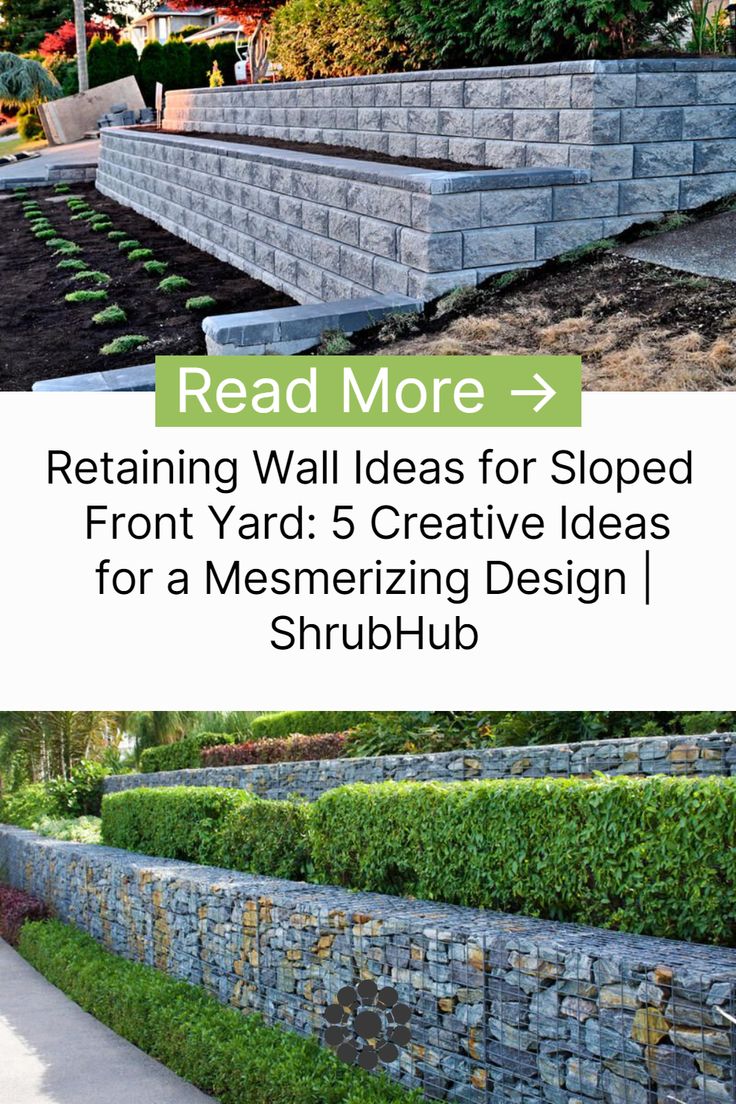
Stone walls can be built using various techniques, such as dry stacking, mortared, or using a combination of both. Dry-stacked walls are quicker to install but may require more frequent maintenance. Mortared walls are more durable but can be more expensive and time-consuming to build.
Dry-Stacked Stone Walls
Dry-stacked stone walls are a popular choice for their natural, rustic appearance. They're typically built without mortar, relying on the stones' natural shapes and sizes to interlock and support each other.


To create a dry-stacked wall, start by laying a solid foundation of level, flat stones. Then, build up the wall using alternating layers of long and short stones, staggering the joints for added stability. For a more natural look, vary the stone sizes and shapes as you build.
Mortared Stone Walls
Mortared stone walls are more durable and long-lasting than dry-stacked walls. They're built using a mixture of cement, sand, and water to bind the stones together.
To build a mortared stone wall, first lay a solid foundation of concrete or level, flat stones. Then, apply a layer of mortar to the foundation and begin laying the stones, applying mortar between each stone as you go. Ensure the stones are level and the joints are even. Allow the mortar to cure for at least 24 hours before backfilling the wall.


Modular Block Retaining Walls
Modular block retaining walls are quick and easy to install, making them a popular choice for DIY enthusiasts. They come in a variety of styles and colors to suit any landscape.
These walls are typically built using interlocking blocks that slot together without the need for mortar. They can be installed quickly and easily, even by beginners. However, they may not have the same longevity or natural appearance as stone walls.
Interlocking Concrete Block Walls
Interlocking concrete block walls are a quick and easy solution for small retaining walls. They're typically made from hollow concrete blocks that slot together using a pin system.


To install an interlocking concrete block wall, first lay a solid foundation of level, compacted gravel. Then, begin laying the blocks, ensuring they're level and the pins are properly engaged. Backfill the wall as you go, tamping down the soil to ensure stability.
Segmental Retaining Wall (SRW) Systems
Segmental retaining wall (SRW) systems are a type of modular block wall designed to withstand significant earth pressure. They're perfect for larger retaining walls but can also be used for smaller walls with a gentle slope.
SRW systems use blocks that are designed to interlock with each other, creating a stable, reinforced wall. They typically require a professional installation but can be built quickly and efficiently. The blocks come in a variety of styles and colors to match any landscape.
Wooden Retaining Walls
Wooden retaining walls offer a warm, inviting look that's perfect for smaller slopes. They're typically quicker and easier to install than stone or block walls but may require more frequent maintenance.
Wooden walls can be built using various techniques, such as using treated lumber, composite materials, or even repurposed materials like pallets. They can be built as simple, straight walls or designed with curves and angles for a more unique look.
Treated Lumber Walls
Treated lumber walls are a quick and affordable solution for small retaining walls. They're typically built using pressure-treated lumber, which is resistant to rot and insect damage.
To build a treated lumber wall, first lay a solid foundation of level, compacted gravel. Then, build the wall using standard framing techniques, ensuring the posts are properly spaced and anchored to the foundation. Backfill the wall as you go, using gravel to prevent water from collecting behind the wall.
Composite Material Walls
Composite material walls are a low-maintenance alternative to treated lumber. They're made from a combination of recycled plastic and wood fibers, making them resistant to rot, insect damage, and fading.
Composite walls are typically built using interlocking panels or posts and rails. They can be installed quickly and easily, even by beginners. However, they may not have the same natural appearance as wooden walls made from untreated lumber.
Incorporating small retaining walls into your sloped front yard not only helps manage water flow and prevent erosion but also adds visual interest and dimension to your landscape. Whether you choose natural stone, modular blocks, or wood, there's a small retaining wall idea that's perfect for your space. So, get creative, have fun, and enjoy transforming your sloped front yard into a functional and beautiful oasis.
Related Articles

Small Retaining Wall Ideas for Sloped Yard
Transforming a sloped yard into a functional and aesthetically pleasing space can be a challenging task. However, with the strategic use of a small retaining...
Maximize Your Sloped Backyard: 15 Small Retaining Wall Ideas
Transforming a sloped backyard into a functional and aesthetically pleasing space can be a challenge, but with the right small retaining wall ideas, you can...

Front Yard Retaining Wall Ideas
Transforming your front yard into a welcoming and functional space often involves addressing uneven terrain or creating distinct areas. This is where front...
Transform Your Sloped Yard: 15 Inspiring Retaining Wall Ideas
Transforming a sloped yard into a functional and aesthetically pleasing space can be a challenging yet rewarding task. Retaining walls play a pivotal role in...
Sloped Yard Natural Rock Retaining Wall Ideas
Transforming a sloped yard into a functional and aesthetically pleasing space can be a challenge, but with the right strategy, it can become a beautiful...
Transform Your Space: 15 Inspiring Front Yard Ideas with Retaining Walls
Transforming your front yard into an inviting and functional space can be a rewarding project. One way to enhance both the aesthetics and functionality of your...