Brighten Up Small Hallways & Stairs: Color Ideas for a Stunning Entrance
Transforming a small hallway and stairs into a vibrant and inviting space can be a challenge, but with the right color choices, it can become a stunning focal point of your home. The key is to select colors that not only complement your home's overall aesthetic but also create a sense of depth and width in these often narrow spaces.
Before we dive into color ideas, consider the lighting in your hallway and stairs. Light colors tend to reflect light and make spaces feel brighter and more spacious, while dark colors absorb light and create a cozy, intimate atmosphere. Keep this in mind as you explore the following color ideas.
Monochromatic Magic
One way to create a sense of continuity and harmony in a small hallway and stairs is to use a monochromatic color scheme. This involves using different shades, tints, and tones of a single color. For example, you could paint the walls a light shade of your chosen color, use a medium shade for the stairs, and a dark shade for the banister or trim.


Monochromatic schemes can be surprisingly versatile. For a modern look, consider shades of gray or charcoal. For a more traditional feel, opt for blues or greens. And for a bold, dramatic effect, try deep purples or blacks.
Dark and Dramatic
Dark colors are often associated with small spaces, but they can actually create a cozy, inviting atmosphere. In a small hallway or stairs, a dark color can make the space feel more intimate and less stark. Plus, dark colors can highlight architectural features and create a striking contrast with lighter elements like trim or flooring.


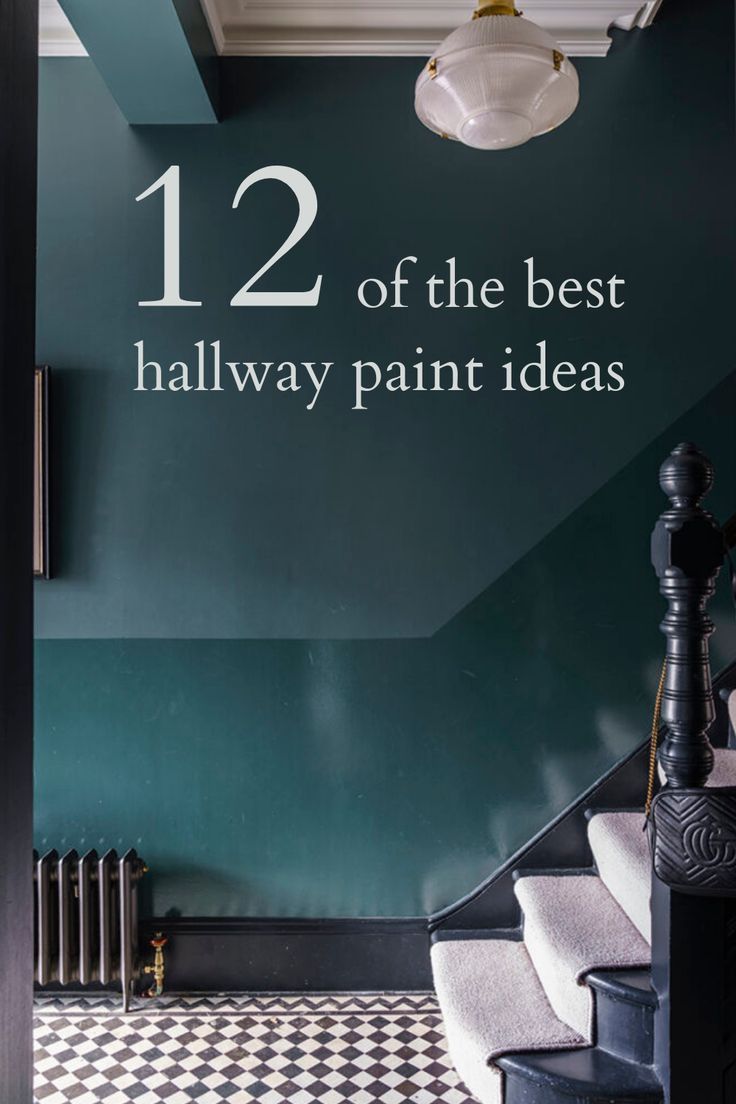
To prevent the space from feeling too heavy, balance dark walls with lighter floors and plenty of lighting. Consider using a lighter shade of the same color on the ceiling to create a cohesive look that still feels bright and airy.
Light and Airy
On the other hand, if your hallway and stairs are naturally well-lit, you might want to consider a light and airy color scheme. Light colors can make a small space feel larger and more open, creating a sense of depth and width.
For a fresh, modern look, consider shades of white, cream, or light gray. For a more traditional feel, opt for soft blues, greens, or pinks. And for a bold, unexpected touch, try a light, pastel shade like yellow or lavender.


Bold and Bright Accents
While a monochromatic scheme can create a sense of harmony, don't be afraid to add pops of color with accessories, artwork, or accent walls. This can add visual interest and make your hallway and stairs feel more dynamic.
For a bold look, consider painting one wall or the stairs a bright, bold color. This can create a striking focal point and add a touch of drama to your space. For a more subtle effect, use bright colors in your accessories, like throw pillows, rugs, or artwork.
Color Blocking
Color blocking involves using two or more bold, contrasting colors side by side. This technique can add visual interest and make your hallway and stairs feel more dynamic. For example, you could paint the bottom half of your walls one color and the top half another, or use two colors on your stairs.


To prevent the space from feeling too chaotic, stick to a color palette with no more than three colors. And remember, the key to successful color blocking is to use colors that complement each other, either through contrast or similarity.
Neutral with a Pop
If you prefer a more subtle look, consider using neutrals as your base color and adding pops of color with accessories. This can create a sophisticated, pulled-together look that's still interesting and dynamic.
For a neutral color palette, consider shades of beige, gray, or white. Then, add pops of color with artwork, throw pillows, or a bold area rug. This approach allows you to change up your color scheme easily by simply swapping out accessories.
Remember, the best color scheme for your hallway and stairs is one that reflects your personal style and makes you feel happy and comfortable. Don't be afraid to experiment with different colors and combinations until you find the perfect fit. And don't forget, the right lighting can make all the difference in how your chosen colors look and feel in your space. Happy painting!
Related Articles

Brighten Up: 20 Stunning Paint Color Ideas for Dark Hallways
Transforming a dark hallway into a welcoming space can be a challenge, but it's not impossible. The right paint color can make all the difference, creating an...

Brighten Up Small Spaces: Narrow Hallway Color Ideas
Narrow hallways often pose a design challenge, but with the right color choices, they can become inviting and visually appealing spaces. The key lies in...

Best Colors for Small Hallways: Brighten Up Your Entryway
When it comes to designing a small hallway, color selection can significantly impact the space's functionality and aesthetics. The right color can make a...

Maximize Small Spaces: Best Paint Colors for Narrow Hallways
Narrow hallways can often feel cramped and uninviting, but the right paint color can transform them into welcoming and visually appealing spaces. With the...
Small Hallway Paint Color Ideas
Transforming a small hallway into a welcoming, inviting space can be a challenge, but the right paint color can make all the difference. With a clever choice...
Best Colors for Dark Hallways: Brighten Up Your Space
Dark hallways can often feel dreary and uninviting, but the right color choice can transform them into warm, welcoming spaces. So, what is a good color for a...