Nature-Friendly Fun: Engaging Activities for Elementary Students
Immerse your elementary students in the wonders of nature with engaging, hands-on activities that foster curiosity, creativity, and a deep appreciation for the environment. These nature-themed activities not only align with educational standards but also provide opportunities for outdoor learning, promoting physical activity and mental well-being.
By incorporating nature into classroom lessons and extracurricular activities, you can create memorable experiences that inspire young minds to protect and preserve our planet. Let's explore some captivating nature-themed activities that your elementary students are sure to enjoy.
Exploring Ecosystems
Introduce students to the concept of ecosystems by creating a simple food web or food chain activity. This hands-on approach helps children understand the interconnectedness of living and non-living things in nature.


To make it more engaging, use colorful construction paper or cardstock to create different organisms, labeling each one with its role in the ecosystem. Arrange the organisms in a web or chain, demonstrating how energy flows from one organism to another.
Habitat Dioramas
Have students create dioramas representing various habitats, such as forests, deserts, or wetlands. This activity encourages creativity while teaching students about the unique characteristics of each habitat and the plants and animals that live there.


Provide students with shoe boxes, construction paper, clay, and other art supplies to build their dioramas. They can also use real materials like leaves, pebbles, and sand to make their creations more authentic.
Planting and Caring for Classroom Gardens
Start a classroom garden to teach students about plant life cycles, photosynthesis, and the importance of caring for plants. Provide each student with a small pot, seeds, and soil, and guide them through the process of planting and nurturing their plants.
As the plants grow, discuss the changes they observe and the factors that affect plant growth, such as sunlight, water, and temperature. This hands-on activity promotes responsibility and empathy, as students learn to care for and appreciate the natural world.



Nature Journaling and Observation Skills
Encourage students to develop their observation skills and artistic abilities by keeping nature journals. This activity combines science, art, and language arts, helping students become more attentive to the world around them.
Provide students with blank journals and art supplies, then guide them through the process of recording their observations of nature. Teach them to sketch, write descriptions, and collect specimens like leaves or flowers to press and preserve in their journals.
Birdwatching and Feeder Monitoring
Introduce students to the fascinating world of birds by setting up a bird feeder outside your classroom window. Encourage students to observe and record the different species that visit the feeder, teaching them about bird identification, behavior, and habitats.


Have students create a birdwatching journal or use a citizen science app to document their observations. They can also participate in national bird counting events, such as the Great Backyard Bird Count, contributing to real-world scientific research.
Nature Scavenger Hunts
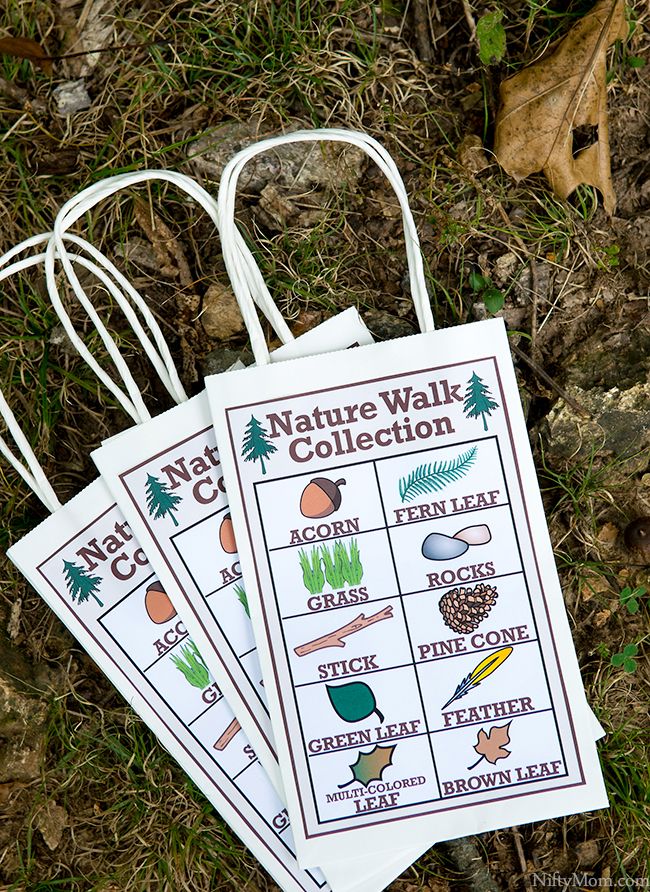
Organize nature scavenger hunts in your school's outdoor spaces or a nearby park. Create a list of items for students to find, such as different types of leaves, rocks, or animal tracks. This activity promotes critical thinking, problem-solving, and a deeper appreciation for the natural world.
To make it more engaging, divide students into teams and provide each team with a digital camera or tablet to document their findings. After the scavenger hunt, have students share their photos and discuss the unique features of each item they found.
By incorporating these nature-themed activities into your elementary curriculum, you'll create a lasting impact on your students' understanding and appreciation of the natural world. Encourage them to explore, ask questions, and develop a sense of wonder that will stay with them throughout their lives. As they grow, may they become stewards of the environment, committed to preserving and protecting our planet for future generations.
Related Articles

Fall Fun: 10 Engaging Themed Activities for Elementary Students
As the leaves begin to turn and the air grows crisp, it's time to embrace the spirit of fall with engaging and educational activities for elementary students...
Nature-Friendly Fun: 10 Engaging Activities for Kids
Immerse your little ones in the wonders of the natural world with these engaging, educational, and fun nature-themed activities. Not only do these activities...
Fall Fun: Engaging Activities for Elementary School Students
As the leaves begin to turn and the air grows crisp, it's time to embrace the magic of fall with a host of engaging activities perfect for elementary students...

Garden Fun: 10 Engaging Activities for Elementary Students
Immerse your elementary students in the joy of learning with engaging and educational garden activities. Gardening offers a wealth of opportunities for...
Nature-Friendly Kindergarten Activities: Explore, Learn, Grow
Immerse your kindergarteners in the wonders of nature with engaging, educational, and fun activities that foster a lifelong love for the great outdoors...

Boost Student Wellness: Free PDF Guide to Engaging Activities
In the bustling world of academia, it's easy to overlook the importance of self-care and wellness. However, maintaining a healthy lifestyle can significantly...