Most Beautiful Vegetable Gardens
Nestled within sprawling landscapes and quaint backyards, some vegetable gardens stand out as true works of art, captivating our senses with their vibrant colors, enticing aromas, and intricate designs. These are not mere plots of land dedicated to growing food; they are living masterpieces that harmonize functionality with aesthetics, offering a glimpse into the beauty that can be cultivated from the earth.
Vegetable gardens have evolved beyond the traditional rows of crops, transforming into spaces that inspire awe and tranquility. They serve as a testament to the creative potential of gardening, showcasing how we can harmonize our need for sustenance with our desire for beauty. Let's explore some of the most beautiful vegetable gardens around the world, each offering unique insights into the art of gardening.
Ornamental Edibles: Blending Beauty and Function
Ornamental edibles have become a staple in many beautiful vegetable gardens, blurring the line between decorative plants and functional crops. These plants, such as purple basil, red lettuce, and striped tomatoes, not only provide food but also add a pop of color and texture to the garden.


One striking example is the Edible Garden at the Chicago Botanic Garden. This garden showcases a variety of ornamental edibles, arranged in a visually appealing manner that belies their practical purpose. The garden's design demonstrates how vegetables can be integrated into mixed borders and containers, creating a stunning display that is both functional and beautiful.
Colorful Kaleidoscope: The Art of Plant Selection
Careful selection of plants is key to creating a visually striking vegetable garden. Choosing plants with diverse colors, shapes, and textures can transform a simple garden into a vibrant, living painting. For instance, the use of heirloom tomatoes in various shades of red, yellow, and green can create a stunning display, while the delicate, lacy leaves of lettuce add a touch of elegance.


In the Potager du Roi at Versailles, France, plant selection is used to create a harmonious blend of beauty and functionality. The garden features a variety of vegetables arranged in geometric patterns, their colors and textures creating a visually appealing tapestry that is as pleasing to the eye as it is to the palate.
Designing with Intent: The Role of Garden Layout
The layout of a vegetable garden can significantly enhance its beauty. Whether it's the symmetrical design of the Potager du Roi or the more organic, free-form layout of many cottage gardens, the way plants are arranged can create a sense of harmony and balance.
In the vegetable garden at the Royal Horticultural Society's Wisley Garden in the UK, the use of curved beds and strategic planting creates a sense of movement and flow. This design not only makes the garden more aesthetically pleasing but also improves its functionality, allowing for easier access and better crop rotation.


Garden Themes: Telling a Story Through Plants
Garden themes can add a layer of depth and interest to vegetable gardens, transforming them into spaces that tell a story. Whether it's a garden inspired by a specific region or culture, or one that celebrates a particular plant or color, themes can make a garden more engaging and meaningful.
At the Bamboo Garden in the National Arboretum in Washington D.C., the theme is Asian-inspired, with vegetables like bok choi and daikon radishes growing alongside bamboo and other Asian plants. This theme not only creates a visually striking garden but also educates visitors about the role of these plants in Asian cultures and cuisines.
Storytelling Through History: Heritage Gardens
Heritage gardens, which aim to preserve and showcase historic gardening techniques and plant varieties, are another way to tell a story through plants. These gardens often feature heirloom vegetables, many of which have been passed down through generations, providing a glimpse into the past.


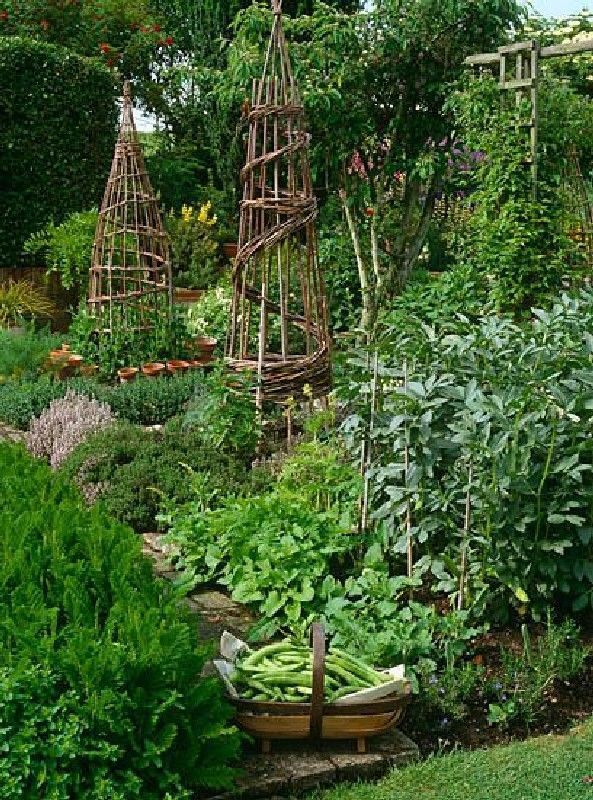


The Heritage Farm at the Henry Ford Museum in Dearborn, Michigan, is a prime example. This working farm features a vegetable garden filled with heirloom varieties, many of which were grown by early American settlers. The garden not only provides a historical perspective but also serves as a reminder of the importance of preserving our agricultural heritage.
Storytelling Through Taste: Culinary Gardens
Culinary gardens, which focus on growing plants used in specific cuisines, are another way to tell a story through plants. These gardens often feature a variety of herbs, vegetables, and even fruits, all of which are used in the preparation of specific dishes.
The culinary garden at the Epcot International Food & Wine Festival in Walt Disney World features a variety of plants used in the cuisines of the countries represented at the festival. This garden not only provides a visual feast but also offers a taste of the cultures it represents, making it a unique and engaging experience.
In the end, the beauty of a vegetable garden lies not just in its appearance, but also in its functionality. It is a space that nourishes both body and soul, providing food for the table and inspiration for the spirit. Whether it's the vibrant colors of an ornamental edible garden, the historical significance of a heritage garden, or the culinary delights of a culinary garden, these spaces remind us of the power of plants to enrich our lives in countless ways. So, let's cultivate not just crops, but also beauty, history, and culture in our gardens, creating spaces that are as diverse and vibrant as the plants they contain.
Related Articles

Is Black Mulch Bad for Vegetable Gardens?
When it comes to creating a thriving vegetable garden, the choice of mulch can significantly impact your plants' health and growth. One type that has sparked...

Best Companion Flowers for Vegetable Gardens
When planning a vegetable garden, it's not just about the crops you'll grow, but also the companions you'll plant alongside them. Companion planting, the...

Potted Flower Gardens: Easy & Beautiful
Transform your indoor or outdoor space into a vibrant oasis with potted flower gardens. These compact, versatile, and low-maintenance alternatives to...

Laugh-Till-You-Weed: Hilarious Quotes from Beautiful Gardens
Gardens are not only a sanctuary for nature, but also a canvas for our emotions and expressions. They inspire us to reflect, appreciate, and even laugh at the...

South Africa's Most Famous Gardens: A Green Paradise
Nestled in the heart of South Africa, a land renowned for its vibrant culture, diverse wildlife, and breathtaking landscapes, lies a hidden gem that has...

Green Bay Packers: Most Popular Player Revealed
When discussing the Green Bay Packers, one name consistently rises to the top of fan conversations: Aaron Rodgers. This four-time NFL Pro Bowler and three-time...