Jasmine Plant: Thriving in Low Temperatures
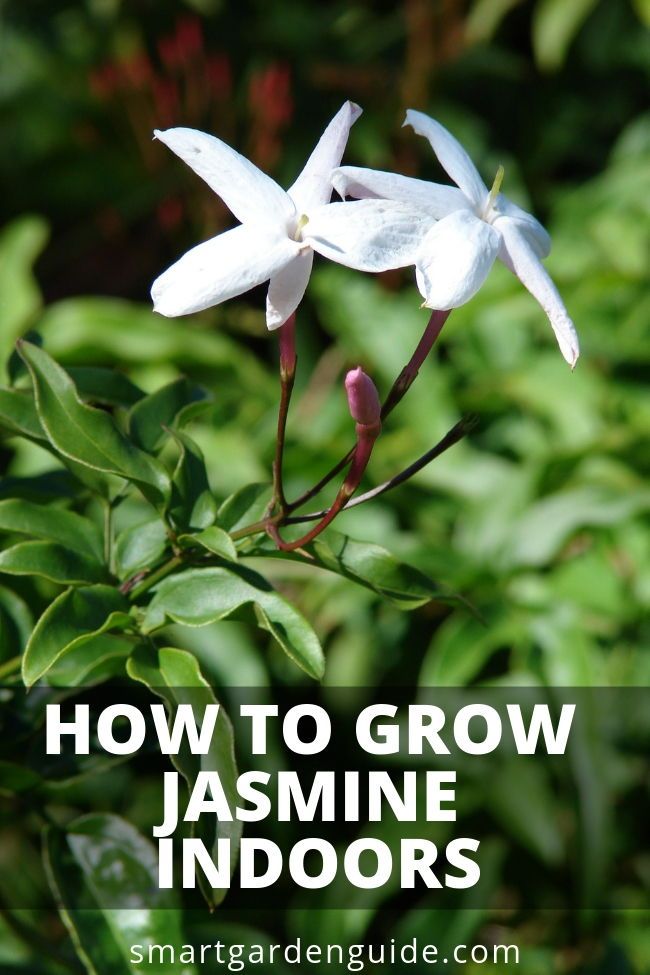
The jasmine plant, known for its enchanting fragrance and stunning white flowers, is a beloved addition to many gardens. However, one common concern among gardeners is the plant's ability to withstand low temperatures. After all, not all plants are created equal when it comes to cold hardiness. Let's delve into the fascinating world of jasmine plants and explore their resilience in low-temperature conditions.
Jasmine plants, scientifically classified under the genus Jasminum, are native to warm regions like tropical Asia, Australia, and Africa. This origin story might lead you to believe that jasmine plants are delicate and can't tolerate cold weather. But the truth is, some species are surprisingly hardy and can endure temperatures well below freezing.
Understanding Jasmine Plant Hardiness
Jasmine plants exhibit varying degrees of cold hardiness, primarily depending on the species. Some are more tolerant of cold temperatures than others. Let's explore two key aspects that determine a jasmine plant's ability to withstand low temperatures.


Firstly, consider the plant's hardiness zone. The USDA Plant Hardiness Zone Map divides North America into 11 zones based on the average annual minimum winter temperature. Jasmine plants are typically hardy in zones 8 to 11, but some species can tolerate temperatures as low as -10°F (-23°C) when established and protected from harsh winds.
Species-Specific Cold Hardiness
Secondly, the specific jasmine species plays a significant role in determining its cold hardiness. For instance, the common jasmine (Jasminum officinale) is a tender perennial, thriving in temperatures above 50°F (10°C) and struggling in temperatures below 32°F (0°C). On the other hand, the winter jasmine (Jasminum nudiflorum) is a hardy shrub that can tolerate temperatures as low as -10°F (-23°C).


Other cold-hardy jasmine species include the Arabian jasmine (Jasminum sambac), which can withstand temperatures down to 20°F (-7°C), and the Spanish jasmine (Jasminum grandiflorum), which can tolerate temperatures down to 25°F (-4°C).
Cultivation Practices for Cold Protection
While some jasmine species are naturally cold-hardy, proper cultivation practices can help protect tender jasmine plants from low temperatures. Mulching around the base of the plant helps insulate the roots and maintain soil temperature. Additionally, providing winter protection, such as wrapping the plant with burlap or moving potted plants indoors, can significantly improve their chances of surviving cold snaps.
Pruning jasmine plants in late summer or early fall also helps prepare them for winter. Removing dead or weak growth encourages new, hardy growth and promotes better air circulation, which reduces the risk of frost damage.


Low-Temperature Effects on Jasmine Plants
Even cold-hardy jasmine plants can suffer damage when exposed to extreme low temperatures. Understanding how low temperatures affect jasmine plants can help gardeners anticipate and mitigate potential issues.
One of the primary effects of low temperatures on jasmine plants is frost damage. When temperatures drop below freezing, the water inside plant cells freezes and expands, causing cellular structures to rupture. This damage can manifest as discolored or wilted leaves, stunted growth, or even plant death. However, established jasmine plants can often recover from mild frost damage with proper care.
Frost Damage Prevention and Recovery
To prevent frost damage, gardeners can take several proactive measures. Firstly, ensure that jasmine plants are well-watered before a cold snap. Moist soil retains heat better than dry soil, providing an extra layer of protection for plant roots. Secondly, providing temporary wind protection, such as wrapping plants with burlap or placing a row cover over them, can help insulate plants from harsh winds and extreme temperatures.



If frost damage does occur, prune affected areas once the weather warms up. This encourages new growth and helps the plant recover. Keep in mind that it may take several growing seasons for a jasmine plant to fully recover from severe frost damage.
In conclusion, while some jasmine plants are more cold-hardy than others, proper cultivation practices and winter protection can help gardeners successfully grow these fragrant beauties in a variety of climates. By understanding the specific needs of their jasmine plants and taking proactive measures to protect them from low temperatures, gardeners can enjoy the enchanting scent and stunning flowers of jasmine plants for years to come.
Related Articles
Star Jasmine: Ideal Temperature Range for Thriving
Nestled in the heart of the Oleaceae family, the star jasmine plant (Trachelospermum jasminoides) is a captivating evergreen vine renowned for its enchanting...

Jasmine Plant: Ideal Temperature for Optimal Growth
The Jasmine plant, a beloved ornamental shrub known for its enchanting fragrance and stunning white or yellow flowers, is a delight to have in any garden or...
White Jasmine Plant: Optimal Temperature Tolerance
The enchanting white jasmine plant, known for its captivating fragrance and delicate blooms, is a beloved addition to many gardens and homes. But how does this...
Minimum Temperature for Jasmine Plant
Jasmine, a captivating plant known for its enchanting fragrance, is a beloved addition to many gardens and homes. However, to ensure your jasmine plant...
Lowest Temperature for Jasmine Plant
Jasmine, a captivating plant renowned for its enchanting fragrance, is a delight to have in any garden or indoor space. However, like all plants, jasmine has...
Jasmine Plant Temperature: Optimal Growing Conditions
The Jasmine plant, a beloved ornamental shrub, is renowned for its enchanting fragrance and vibrant, star-shaped flowers. However, like all plants, Jasmine...