How to Make Flowers Last Longer
Flowers are a delight to have around, bringing color, fragrance, and life into our homes and spaces. But they're a fleeting joy, right? Not necessarily. With the right care and techniques, you can make your flowers last longer, turning those few days into weeks of blooming beauty. Let's dive into some expert tips to help you prolong the life of your flowers.
Before we start, remember that each flower type has unique needs. While these tips are universally helpful, some flowers may require additional care. Always research the specific needs of your blooms for the best results.
Preparing Your Flowers for a Longer Life
Caring for your flowers begins the moment you bring them home. Here are some initial steps to set your blooms up for success.


First, remove any leaves that would be submerged in the vase. These can promote bacterial growth, which shortens the life of your flowers. Also, trim the stems at a 45-degree angle to increase the surface area for water absorption and prevent them from sitting flat on the bottom of the vase.
Choosing the Right Vase
A suitable vase is crucial for flower longevity. Choose a clean vase that's tall enough to support the flower's weight and wide enough to provide stability. The vase should also be tall enough to keep the water level high enough to prevent air bubbles from forming in the stems.


Glass vases are ideal as they allow light to reach the water, promoting photosynthesis. However, if you're using a colored vase, ensure it's not too dark as this can restrict light penetration and harm your flowers.
Preparing the Water
Tap water often contains chlorine or fluorine, which can shorten the life of your flowers. To remove these chemicals, let the water sit out for at least 24 hours before using it. Alternatively, you can use bottled water or rainwater.
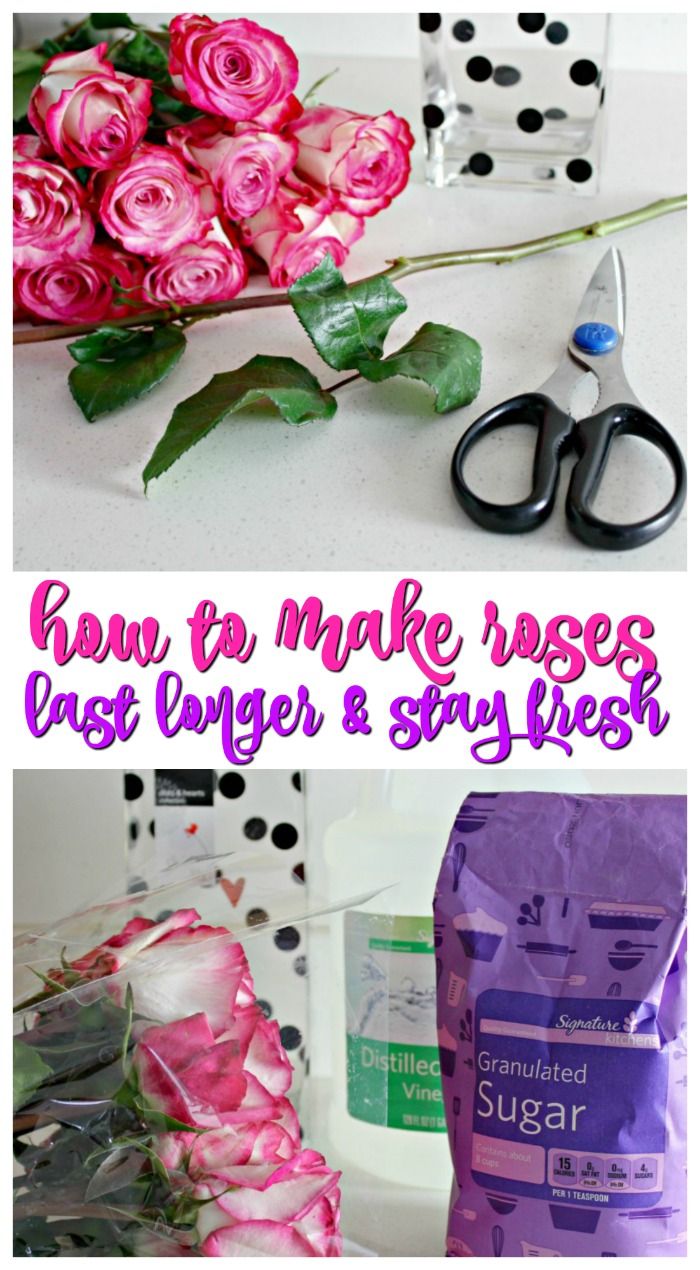
Add flower food to the water to nourish your blooms and inhibit bacterial growth. If you don't have flower food, you can make a homemade preservative using a mix of sugar, acid (like lemon juice or vinegar), and bleach. The sugar provides energy, the acid maintains the water's pH, and the bleach inhibits bacterial growth.


Caring for Your Flowers Daily
Daily care is essential to keep your flowers looking fresh and vibrant. Here are some daily tasks to incorporate into your routine.
First, re-cut the stems underwater to prevent air bubbles from forming. This helps your flowers absorb water more efficiently. Also, remove any wilted leaves or petals to maintain a clean vase and prevent bacterial growth.
Monitoring the Water Level
Keep an eye on the water level in your vase. Flowers drink a lot of water, so you'll need to top up the vase regularly. Always ensure the stems are fully submerged in water to prevent air bubbles from forming.




If the water starts to look cloudy or has a strange smell, it's time to change it. Bacteria can grow quickly in the vase, blocking the stems and preventing water absorption. Change the water every 3-5 days or whenever it starts to look murky.
Controlling the Environment
Flowers thrive in specific environmental conditions. Here are some tips to create an optimal environment for your blooms:
- Temperature: Most flowers prefer cool temperatures, ideally between 65-72°F (18-22°C). Keep them away from drafts, direct sunlight, and heat sources like radiators or fireplaces.
- Humidity: Flowers need humidity to stay hydrated. Place the vase on a tray of pebbles filled with water, ensuring the vase doesn't touch the water. This creates a humid environment around the flowers without submerging them.
- Airflow: While flowers need fresh air, avoid placing them in areas with strong drafts or direct airflow from fans or air conditioners. This can cause them to wilt and dry out.
Revitalizing Wilted Flowers
Even with the best care, flowers can start to wilt over time. But don't despair! There are ways to revitalize your blooms and extend their life.
When your flowers start to wilt, try the following techniques to perk them up:
Boiling Water Treatment
Boil water and pour it into the vase, being careful not to burn yourself or damage the flowers. Let the vase sit for a few minutes, then remove the flowers and trim the stems underwater. Refill the vase with fresh water and flower food, and place the flowers back in. This treatment can help revitalize your flowers by removing air bubbles from the stems and providing a fresh supply of water.
For an extra boost, add a teaspoon of bleach to the boiling water to kill any bacteria in the vase. However, be careful not to use too much bleach, as it can damage the flowers.
Sugar and Alcohol Treatment
Mix a tablespoon of sugar and a tablespoon of vodka or lemon juice into the vase water. The sugar provides energy for the flowers, while the alcohol and acid inhibit bacterial growth and help the flowers absorb water more efficiently. This treatment can help revitalize wilted flowers and extend their life.
With these tips, you'll be well on your way to enjoying your flowers for longer. Remember, each flower is unique, so always research the specific care needs of your blooms for the best results. Happy blooming!
Related Articles

Extend Your Festive Spirit: How to Make Christmas Wreaths Last Longer
Creating a beautiful Christmas wreath is a cherished holiday tradition, but keeping it fresh and vibrant until the New Year can be a challenge. With the right...

Strengthen Your Driveway: How to Make Gravel Last Longer
Creating a durable and long-lasting gravel driveway involves more than just spreading gravel and calling it a day. To make your driveway hard-wearing and...

Maximize Vase Life: How to Make Plants Last Longer
Ever found yourself admiring a beautiful bouquet, only to see it wilt within a week? You're not alone. Keeping cut flowers fresh is an art that combines...
Boost Your Holiday Spirit: How to Make Wreaths Last Longer
Creating a beautiful wreath is a rewarding task, but ensuring it lasts is equally important. With the right care and techniques, you can enjoy your wreath for...

Crafting Resin Coasters with Dried Flowers: A Step-by-Step Guide
Transform your home decor with a touch of nature and artistry by creating stunning resin coasters featuring dried flowers. This DIY project is not only a fun...

Alaska's Blooming: Hardy Flowers That Thrive in the Last Frontier
Nestled in the heart of North America, Alaska is renowned for its breathtaking landscapes and diverse wildlife. But did you know that this northernmost state...