Mastering Cabinet Care: Effortless Waterproofing Techniques
Waterproofing cabinets is a crucial step in protecting your furniture and home from moisture damage. Whether you're dealing with a humid bathroom, a leaky pipe, or a flood-prone area, waterproofing cabinets ensures your cabinets remain functional and looking great for years to come. This guide will walk you through the process, from understanding why waterproofing is important to the steps involved and the best products to use.
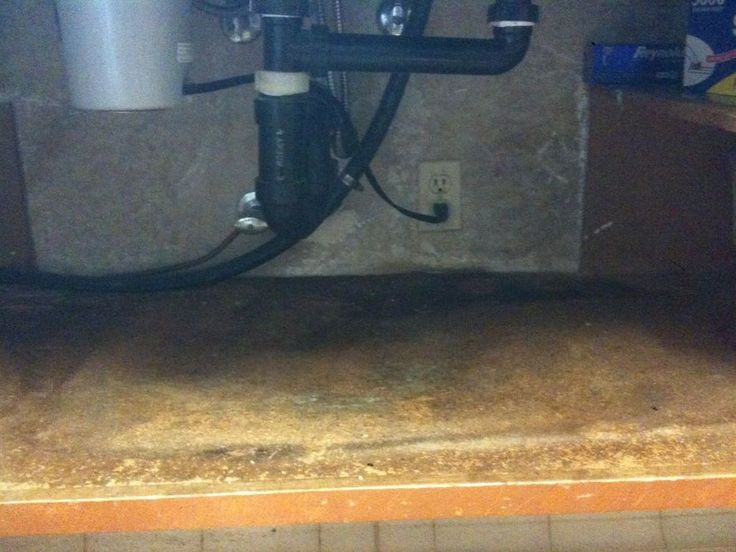
Before we dive into the how-to, let's briefly discuss why waterproofing cabinets is essential. Cabinets are often made of wood or particleboard, which absorb water like a sponge. This absorption can lead to warping, swelling, delamination, and even mold growth. Waterproofing prevents these issues, saving you money on repairs and replacements in the long run.
Understanding Waterproofing Options
There are several methods to waterproof cabinets, each with its pros and cons. The best method depends on your budget, the level of protection needed, and the type of cabinets you have.


1. **Sealants and Coatings**: These are the most common and affordable waterproofing options. They create a barrier to prevent water from penetrating the cabinet material. However, they may not provide complete protection against prolonged exposure to water or flooding.
Water-Based Sealants
Water-based sealants are eco-friendly, easy to apply, and suitable for most cabinet materials. They penetrate the wood or particleboard, creating a barrier from within. They are ideal for preventing moisture damage from humidity and minor leaks.


Examples include water-based polyurethane, varnish, and shellac. Apply them using a brush or spray, following the manufacturer's instructions. Allow the first coat to dry completely before applying additional coats for better protection.
Oil-Based Sealants
Oil-based sealants, such as oil-modified polyurethane, provide a more robust barrier against moisture. They are suitable for cabinets in high-humidity areas or at risk of flooding. However, they have a strong odor and take longer to dry than water-based sealants.
Apply oil-based sealants using a brush, following the manufacturer's instructions. Ensure the area is well-ventilated, and allow the cabinets to dry completely between coats.


Advanced Waterproofing Methods
For areas at high risk of flooding or prolonged water exposure, consider more advanced waterproofing methods.
1. **Laminates and Vinyl Wraps**: These are thin sheets of plastic or vinyl that adhere to the cabinet surface. They provide a waterproof barrier and are easy to clean. However, they may not be suitable for all cabinet styles and can be more expensive than sealants.
Laminates
Laminates are available in various colors and patterns, making them a versatile option. They are easy to install and can be cut to fit cabinet doors and drawers. However, they can peel or bubble if not installed correctly or if the cabinets are exposed to extreme heat or moisture.




To install, measure and cut the laminate sheets to fit the cabinet surface. Apply adhesive to the back of the laminate and the front of the cabinet. Press the laminate onto the cabinet, using a roller to remove any air bubbles. Allow the adhesive to cure according to the manufacturer's instructions.
Vinyl Wraps
Vinyl wraps are similar to laminates but are typically thicker and more durable. They are easy to clean and can withstand heat and moisture better than laminates. However, they can be more expensive and may require professional installation.
Installation is similar to laminates. Measure and cut the vinyl wrap to fit the cabinet surface. Apply adhesive to the back of the wrap and the front of the cabinet. Press the wrap onto the cabinet, using a squeegee to remove any air bubbles. Allow the adhesive to cure according to the manufacturer's instructions.
Regular maintenance is key to keeping your cabinets waterproof. Inspect your cabinets regularly for any signs of wear or damage. Touch up any areas that show signs of peeling or cracking. Keep cabinets clean and dry, and address any water issues promptly to prevent damage.
Waterproofing cabinets is a straightforward process that can save you money and headaches in the long run. By understanding your options and choosing the right method for your needs, you can protect your cabinets from moisture damage and ensure they look great for years to come. So, don't wait - start waterproofing your cabinets today!
Related Articles

Mastering Wood Cabinet Waterproofing: A Comprehensive Guide
Wood cabinets are a beautiful addition to any home, but they can be susceptible to water damage if not properly protected. Waterproofing your wood cabinets is...

Mastering Waterproofing: A Step-by-Step Guide to Protecting Your Kitchen Cabinets
Waterproofing your kitchen cabinets is a crucial step in maintaining their longevity and protecting them from moisture damage. Kitchens are prone to humidity...

Mastering Kitchen Cabinet Design: A Comprehensive Guide
Designing cabinets in a kitchen is a rewarding task that combines functionality and aesthetics. With the right planning and creativity, you can transform your...

Mastering Cabinetry: Step-by-Step Guide to Building Built-In Cabinets with Doors
Embarking on a home improvement project like building an built-in cabinet with doors can significantly enhance your space's functionality and aesthetics. This...

Mastering Corners: Expert Tips for Kitchen Cabinet Installation
Corner cabinets in the kitchen can often pose a challenge when it comes to storage and accessibility. However, with the right strategies, you can maximize...

Mastering Cabinet Making in DJ: Expert Techniques
Ever wondered how to combine your passion for music and your craftsmanship skills? Meet the unique world of cabinet making for DJs , where functionality meets...