How to Treat Outdoor Bamboo Furniture
Outdoor bamboo furniture, with its durability, sustainability, and aesthetic appeal, is a popular choice for enhancing your patio, deck, or garden space. However, to ensure your bamboo furniture lasts and maintains its charm, it requires regular care and maintenance. This guide will walk you through the best practices for treating and caring for your outdoor bamboo furniture.
Bamboo, a grass that grows rapidly and is highly renewable, is an eco-friendly alternative to traditional hardwoods. It's also naturally resistant to rot, pests, and extreme weather conditions. But even with these inherent advantages, bamboo furniture needs proper treatment to prolong its lifespan and keep it looking its best.
Understanding Bamboo Furniture Construction
Before delving into treatment methods, it's crucial to understand the construction of your bamboo furniture. Most outdoor bamboo furniture is made from Moso bamboo, which is split into strips, treated, and then woven or pressed together to form various pieces. Some furniture may also include other materials like teak or stainless steel for added durability and stability.


Knowing the construction of your furniture will help you determine the best treatment methods and identify areas that may require extra care, such as joints or parts that come into contact with the ground.
Pre-Treatment: Sealing and Finishing
New bamboo furniture often comes with a natural or stained finish. To protect it from the elements, it's essential to apply a sealant or finish soon after purchase. This pre-treatment step helps to enhance the furniture's resistance to moisture, UV rays, and stains.


Choose a sealant or finish specifically designed for outdoor bamboo furniture. Oil-based sealants can provide a more natural look while offering excellent protection. Water-based sealants are easier to apply and clean up but may require more frequent reapplication. Always follow the manufacturer's instructions for the best results.
Regular Cleaning and Maintenance
Regular cleaning is vital to keep your bamboo furniture looking its best and preventing the buildup of dirt, mold, or mildew. Use a soft-bristled brush or a damp cloth to gently clean the furniture. Avoid using harsh chemicals or abrasive materials that could damage the finish.
For tougher stains, you can create a mild cleaning solution using a mixture of water, mild dish soap, and white vinegar. Apply the solution to the stain using a soft brush or cloth, let it sit for a few minutes, and then rinse it off with clean water. Always remember to dry the furniture thoroughly after cleaning to prevent moisture-related issues.


Dealing with Weather and Environmental Factors
Outdoor bamboo furniture is designed to withstand the elements, but extreme weather conditions can still take a toll on its appearance and longevity. Here are some tips to help your furniture weather the storm, both literally and figuratively.
In colder climates, it's essential to store your bamboo furniture indoors during the winter months or provide adequate protection, such as a cover or tarp. Extreme cold can cause the bamboo to contract and warp, while snow and ice can lead to mold and mildew growth. If you live in an area with heavy snowfall, consider using a waterproof cover to protect your furniture.
Protecting Your Furniture from Sun Exposure
Prolonged exposure to sunlight can cause the color of your bamboo furniture to fade and the material to become brittle. To minimize sun damage, position your furniture in a way that limits direct sunlight, especially during the hottest part of the day. You can also use an umbrella or canopy to provide additional shade.


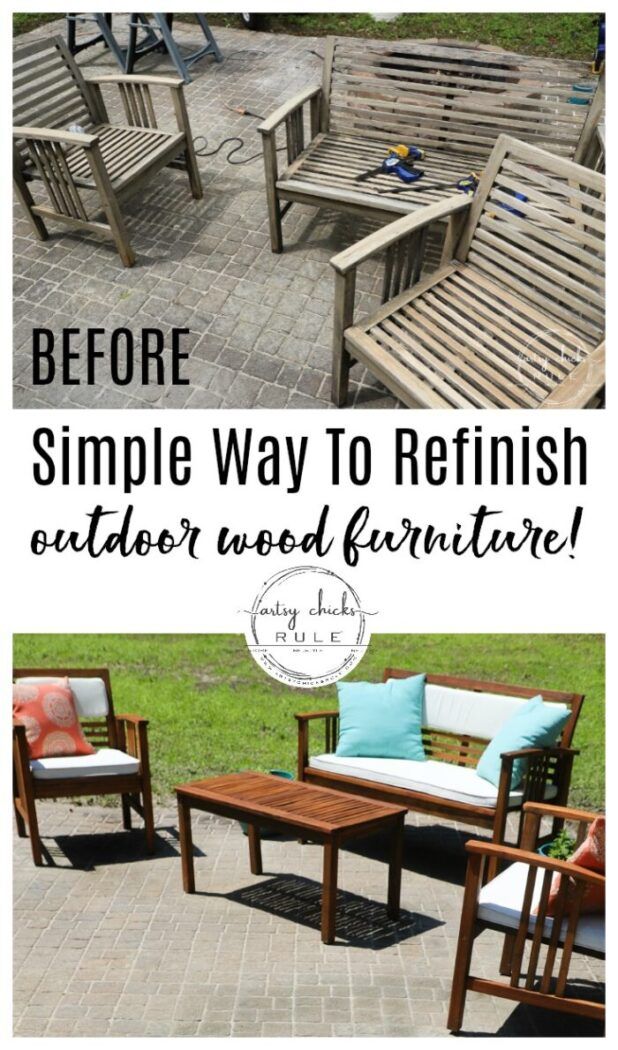


Applying a UV-resistant sealant or finish can also help protect your furniture from sun damage. These products are specifically designed to absorb UV rays, preventing them from breaking down the bamboo fibers. Reapply the sealant or finish annually to maintain optimal protection.
Preventing Moisture Damage
Excess moisture can cause bamboo to swell, warp, or develop mold and mildew. To prevent moisture damage, ensure that your furniture has adequate airflow by not placing it too close to walls or other structures. If possible, elevate your furniture off the ground using casters or legs to allow for better air circulation and prevent water from pooling underneath.
After rain or heavy dew, dry your furniture thoroughly to remove any excess moisture. If you notice any signs of mold or mildew, clean the affected area with a solution of water and white vinegar (one part vinegar to four parts water) using a soft-bristled brush or cloth. Allow the furniture to dry completely in a well-ventilated area.
Restoring and Revitalizing Aging Bamboo Furniture
With proper care and maintenance, your outdoor bamboo furniture can last for many years. However, even with the best care, your furniture may eventually show signs of aging, such as faded color or a dull finish. Here are some tips to help you restore and revitalize your furniture and bring back its original charm.
For faded or dull bamboo, you can apply a fresh coat of sealant or finish to restore its color and luster. Before applying a new finish, make sure to clean the furniture thoroughly and allow it to dry completely. Lightly sand the surface using fine-grit sandpaper to remove any rough spots or imperfections, and wipe off the dust with a damp cloth.
Revitalizing with Stain
If your bamboo furniture has a stained finish, you can revitalize its color by applying a new coat of stain. Choose a stain that matches the original color as closely as possible. Apply the stain using a soft-bristled brush or a clean cloth, following the grain of the bamboo. Allow the stain to sit for the recommended time, usually between 15 to 30 minutes, and then wipe off any excess with a clean cloth.
For best results, apply multiple thin coats of stain, allowing the furniture to dry completely between each coat. This approach will help you achieve a more even and consistent color. After the final coat, allow the furniture to cure for at least 24 hours before exposing it to moisture or heavy use.
Repairing Damaged Bamboo
Over time, bamboo furniture may develop cracks, splits, or other damage due to normal wear and tear or extreme weather conditions. To repair minor damage, you can use a bamboo repair kit or a mixture of wood glue and sawdust. Apply the repair material to the damaged area using a putty knife or your fingers, and allow it to dry completely according to the manufacturer's instructions.
For more extensive damage, you may need to replace individual pieces of bamboo. Consult the manufacturer's guidelines or seek professional help if you're unsure about the repair process. Always ensure that any repairs are compatible with the original construction and finish of your furniture.
Caring for your outdoor bamboo furniture is a rewarding task that ensures your investment in sustainable and stylish outdoor living space. By following these tips and maintaining a regular care routine, you can enjoy your bamboo furniture for many years to come. So, go ahead and embrace the beauty of bamboo, and create an inviting and comfortable outdoor space that reflects your unique style.
Related Articles

Can You Treat Wicker Furniture for Outdoor Use?
Wicker furniture has long been a staple in outdoor spaces, offering a charming, rustic aesthetic that's tough to match. But with constant exposure to the...

Outdoor Wicker Conversation Set: Perfect Patio Furniture for Your Garden
Transform your outdoor space into a cozy, inviting haven with our exquisite collection of outdoor wicker conversation sets. Perfect for your patio or garden...

Outdoor Bamboo Shades for Pergola: Enhance Your Space
Transform your outdoor living space into a serene, shaded oasis with the elegant and eco-friendly solution of outdoor bamboo shades for pergola. Bamboo, a...

Cottage Garden Outdoor Furniture: Charming & Durable
Nestled in the heart of lush greenery, a cottage garden is a delightful sanctuary that combines the charm of traditional English gardens with the practicality...

Wicker Garden Furniture Set: Perfect for Outdoor Living
Nestled within the vast realm of outdoor living, wicker garden furniture sets have carved a niche for themselves, offering a harmonious blend of style...

Cozy Apartment Patio Furniture: Transform Your Outdoor Space
Transform your outdoor living space into a cozy haven with the perfect patio furniture. A well-chosen set can extend your home's comfort and style, creating an...