Maximize Shelf Life: The Ultimate Guide to Storing Pantry Items
Ah, the pantry - that bustling hub of your kitchen, where culinary adventures begin. Storing pantry items efficiently is an art that combines organization, understanding of food longevity, and a touch of creativity. Let's dive into the world of pantry management, ensuring your ingredients are always at hand, fresh, and ready to inspire your next meal.
First, let's address the elephant in the room: clutter. A cluttered pantry is a recipe for disaster, making it hard to find what you need and leading to wasted food. So, let's roll up our sleeves and get organized!
Creating a Pantry Layout
Before you start stocking up, it's crucial to plan your pantry layout. Think about what you use most frequently and place those items at eye level and within easy reach. Heavy or bulky items should go on lower shelves, while lighter, more fragile items can be stored above.


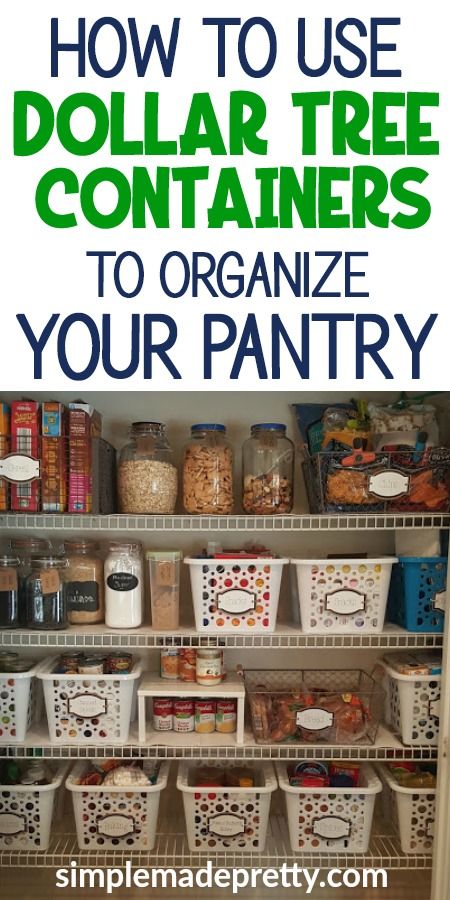
Consider using clear containers to store dry goods like pasta, rice, and cereals. Not only does this keep pests at bay, but it also makes it easier to see what you have and prevents spills. Plus, it adds a touch of uniformity to your pantry, making it look more organized.
Zoning Your Pantry
Divide your pantry into zones based on the type of food. For example, you might have a baking zone, a pasta zone, a canned goods zone, and so on. This will make it easier to find what you need and keep like items together.


Don't forget to label your zones and use shelves, baskets, and bins to maximize your space. This will not only make your pantry look neater but also make it easier to find what you need.
Rotate, Rotate, Rotate
FIFO - First In, First Out - is a principle you should live by in your pantry. This means using the oldest items first to prevent them from going bad. To achieve this, always place new items at the back of the shelf and older ones in front.
Regularly check your pantry for expired items and donate or discard them. This will help you maintain a well-stocked, fresh pantry and reduce food waste.


Storing Specific Pantry Items
Now that your pantry is organized, let's talk about storing specific items to maximize their shelf life.
For instance, potatoes and onions should be stored in a cool, dark place with good ventilation. They should not be stored together, as they can cause each other to spoil faster. Instead, store them in separate paper bags in a cool, dark place like a basement or pantry.
Baking Goods
Flour, sugar, and other baking goods should be stored in airtight containers to keep out moisture and pests. They should be kept in a cool, dry place away from direct sunlight. Remember, these items can go rancid over time, so check them regularly for freshness.



For long-term storage, consider freezing these items. This can extend their shelf life significantly. Just make sure to bring them to room temperature before using to prevent clumping.
Canned Goods
Canned goods can last for years, but only if they're stored properly. Keep them in a cool, dry place away from direct sunlight. Storing them in a basement or pantry is ideal. Once opened, transfer leftovers to an airtight container and refrigerate.
Remember to check the expiration date before using canned goods. Even if they look fine, they can still spoil over time.
And there you have it! With these tips, your pantry will be the envy of your neighborhood - organized, well-stocked, and ready to inspire your next culinary masterpiece. So, what are you waiting for? Get organizing!
Related Articles

Maximize Freshness: The Ultimate Guide to Storing Steak Salad
Storing steak salad properly is crucial to maintain its freshness and prevent spoilage. With the right techniques, you can enjoy your delicious and nutritious...

Maximize Your Kitchen Space: The Ultimate Guide to Storing Pots & Pans
Storing pots and pans might seem like a simple task, but improper storage can lead to damage, scratches, and even rust. With the right techniques and tools...

Maximize Your Records: The Ultimate Guide to Storing Vinyl
Vinyl records, with their warm, rich sound, have made a resurgence in popularity. To ensure your vinyl collection lasts and sounds its best, proper storage is...

Maximize Closet Space: The Ultimate Guide to Storing Clothes in Cubes
Are you tired of struggling with a cluttered closet, unable to find what you're looking for, and wasting time on organizing your clothes? It's time to...

Maximize Playtime: Ultimate Guide to Storing Girls' Dress-Up Clothes
Storing your girl's dress-up clothes can be a fun and creative task, but it can also become a chaotic endeavor if not done properly. With the right techniques...
Maximize Pantry Space: Expert Tips for Storing Large Items
Maximizing your pantry space for large items can be a challenge, but with the right strategies, you can create an organized and efficient storage system. By...