Mastering Succulent Care: A Step-by-Step Guide to Planting
Embarking on the journey of cultivating succulents can be an incredibly rewarding experience. These hardy, low-maintenance plants are not only visually stunning but also purify the air around us. Whether you're a seasoned gardener or a novice just starting out, this comprehensive guide will walk you through the process of planting succulents, ensuring a lush and thriving collection.
Succulents are known for their ability to store water in their leaves, stems, or roots, making them drought-resistant and perfect for those with busy lifestyles or less-than-green thumbs. With a wide variety of species, each with its unique appearance and care requirements, the world of succulents offers endless possibilities for creativity and expression.
Choosing the Right Succulents and Containers
Before you begin, it's crucial to select the right succulent species for your environment and care level. Research each plant's light, water, and soil preferences to ensure they align with your available resources. Additionally, consider the plant's mature size to choose an appropriately sized container.


When it comes to containers, opt for ones with drainage holes to prevent root rot. Succulents prefer well-draining soil, and excess water can be detrimental to their health. Terracotta pots are an excellent choice as they allow for better airflow and help regulate soil moisture.
Selecting the Perfect Location
Light is the most critical factor when choosing a location for your succulents. Most species require plenty of sunlight, with some being more tolerant than others. South-facing windows provide the most light, while east- and west-facing windows offer moderate light. North-facing windows receive the least amount of light, making them suitable only for low-light tolerant succulents.


Temperature is another essential consideration. Most succulents thrive in temperatures between 70-80°F (21-27°C) during the day and a 10°F (5.5°C) drop at night. However, some species can tolerate temperatures as low as 32°F (0°C), making them suitable for cooler climates.
Preparing the Soil and Planting
Succulents require well-draining soil to prevent root rot. A well-suited mix consists of 60% potting soil, 30% pumice or perlite, and 10% sand or crushed granite. This combination provides adequate drainage while maintaining the necessary nutrients for plant growth.
To plant your succulents, follow these steps: 1. Fill your container with the prepared soil mix, leaving enough space for the plant and a thin layer of soil on top. 2. Gently remove the plant from its nursery pot, taking care not to damage the roots. 3. Place the plant in the container, ensuring it's at the same depth as it was in the nursery pot. 4. Gently press the soil around the plant, ensuring it's secure and well-supported. 5. Water the plant thoroughly, allowing the water to drain completely. This helps remove any air pockets and settles the soil around the roots.


Caring for Your Succulents
Once your succulents are planted, proper care is essential to ensure their health and longevity. Regular watering, appropriate lighting, and occasional repotting are key aspects of succulent care.
Watering is perhaps the most critical aspect of succulent care. As a general rule, allow the soil to dry out completely between waterings. This can vary depending on the species, container size, and environmental factors. Overwatering is the most common cause of succulent death, so it's crucial to err on the side of underwatering.
Watering Techniques
There are several watering techniques to help you determine when your succulents need a drink: 1. **The Finger Test**: Stick your finger about an inch into the soil. If it feels dry, it's time to water. 2. **The Weight Test**: Lift your container after watering. When it feels noticeably lighter, it's time to water again. 3. **The Spanish Watering Method**: Water your plants until water flows out of the drainage holes. Allow the soil to dry out completely before watering again.

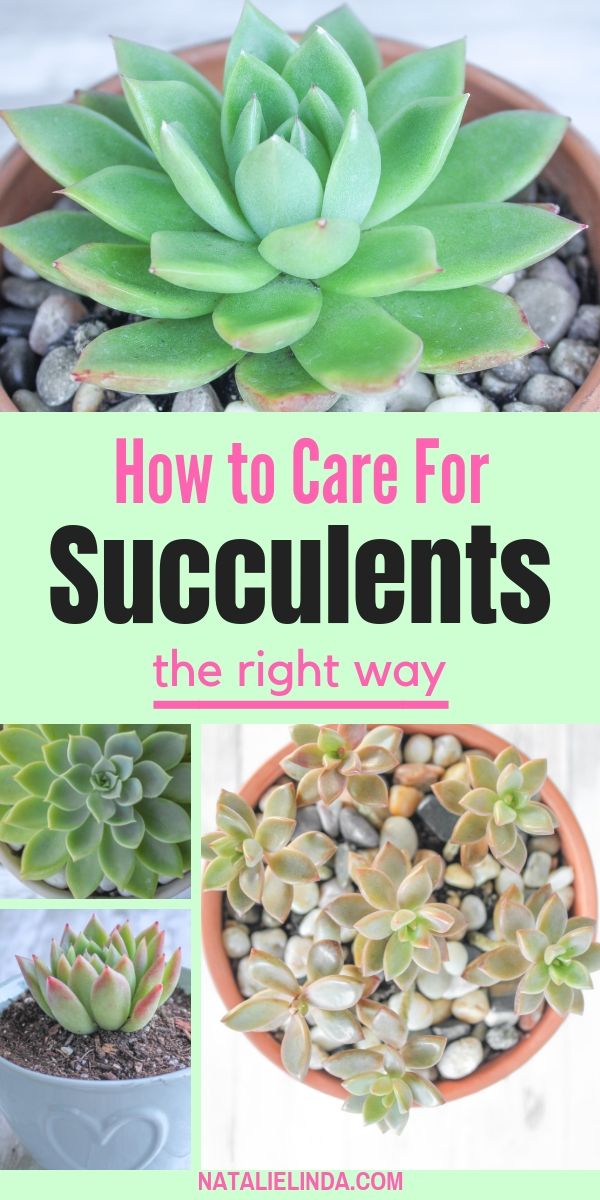


Light is another critical factor in succulent care. Most species require plenty of sunlight, with some being more tolerant than others. Gradually acclimate your plants to increased light to prevent sunburn. Additionally, rotate your plants regularly to ensure all sides receive equal light, promoting even growth.
Repotting and Propagation
Succulents typically outgrow their containers every 1-3 years, depending on the species and care. When repotting, choose a container that's 2-3 inches larger in diameter and follow the planting steps outlined earlier.
Propagation is an excellent way to expand your succulent collection. Most species can be propagated from leaf or stem cuttings. To propagate: 1. Allow the cutting to callous over for a few days to prevent rot. 2. Place the cutting in a well-draining soil mix. 3. Water the cutting sparingly until it takes root and begins to grow. 4. Provide appropriate lighting and care as the new plant grows.
As your succulent collection grows, you'll find that each plant has its unique personality and care requirements. Embrace the learning process and enjoy the journey of cultivating these remarkable plants. With time and patience, you'll create a lush, thriving oasis that brings joy and beauty to your space.
Related Articles
Mastering Succulent Garden Beds: A Step-by-Step Guide
Succulents are a gardener's dream, requiring minimal effort and thriving in a wide range of conditions. If you're eager to transform your garden bed into a...

Mastering Succulent Rock Gardening: A Step-by-Step Guide
Embarking on a journey to cultivate succulents in rocks? You're in for a visually stunning and low-maintenance gardening experience. Succulent plants, with...

Mastering Croton Petra Care: A Step-by-Step Watering Guide
Caring for a Croton Petra plant, with its vibrant colors and lush foliage, is a rewarding experience. One of the most crucial aspects of maintaining this...

Mastering Indoor Pot Planting: A Step-by-Step Guide
Transforming your indoor space into a lush, green oasis is not only aesthetically pleasing but also beneficial for your mental health and air quality. One of...

Easy Succulent Planting Guide: A Beginner's Guide
Embarking on the journey of cultivating succulents can be an incredibly rewarding experience. These hardy, low-maintenance plants are perfect for both seasoned...

Mastering Chimney Care: A Step-by-Step Guide to Cleaning Inside Chimney Bricks
Cleaning the inside of a chimney can be a daunting task, but it's crucial for maintaining a safe and efficient fireplace. Soot, creosote, and other debris can...