How to Create a Thriving Indoor Succulent Garden: A Step-by-Step Guide
Transform your indoor space into a lush, low-maintenance oasis with an indoor succulent garden. These hardy, drought-resistant plants thrive in various conditions, making them perfect for beginners and experienced gardeners alike. Let's delve into the world of succulents and explore how to create a stunning indoor garden that's not only visually appealing but also purifies the air and boosts your well-being.
Before we dive into the planting process, let's briefly discuss why succulents are an excellent choice for indoor gardening. Succulents are known for their ability to store water in their leaves, stems, or roots, enabling them to survive in low-moisture environments. This unique adaptation makes them incredibly resilient and forgiving, requiring minimal care and attention. Additionally, succulents come in a wide array of shapes, sizes, and colors, allowing you to create a diverse and captivating indoor garden.
Choosing the Right Succulents and Containers
Selecting the perfect succulents for your indoor garden is an exciting task. When choosing plants, consider the light conditions in your space, as different succulents have varying light requirements. For instance, some succulents, such as Echeveria and Haworthia, thrive in bright, indirect light, while others, like Snake Plants and ZZ Plants, can tolerate low-light conditions.


Once you've chosen your succulents, it's time to select the perfect containers. Terracotta pots, glass containers, and wooden boxes are all excellent choices for succulent gardens. When selecting containers, ensure they have drainage holes to prevent root rot. Additionally, consider the aesthetic appeal of the containers, as they will become an integral part of your indoor garden's design.
Light Requirements
Understanding the light requirements of your chosen succulents is crucial for their growth and overall health. Most succulents prefer bright, indirect light, making them ideal for placement near windows. However, some succulents can tolerate low-light conditions, making them suitable for rooms with limited natural light. Always research the specific light requirements of your chosen succulents to ensure they thrive in your indoor environment.


If your space lacks sufficient natural light, consider supplementing with artificial grow lights. LED grow lights are an energy-efficient and effective way to provide the necessary light for your succulents. Position the lights a few inches above the plants, and adjust the height as the plants grow to ensure they receive adequate light.
Soil and Drainage
Using well-draining soil is essential for the health of your succulent garden. Succulents are sensitive to overwatering, and poor drainage can lead to root rot. Opt for a cactus or succulent-specific potting mix, which typically contains a combination of peat moss, perlite, and sand. This mix provides excellent drainage and aeration, promoting healthy root growth.
Ensure your containers have adequate drainage holes to prevent water from accumulating at the bottom of the pot. If your chosen container lacks drainage holes, create them using a drill or sharp object. Alternatively, you can place a layer of pebbles or gravel at the bottom of the pot to improve drainage and prevent root rot.

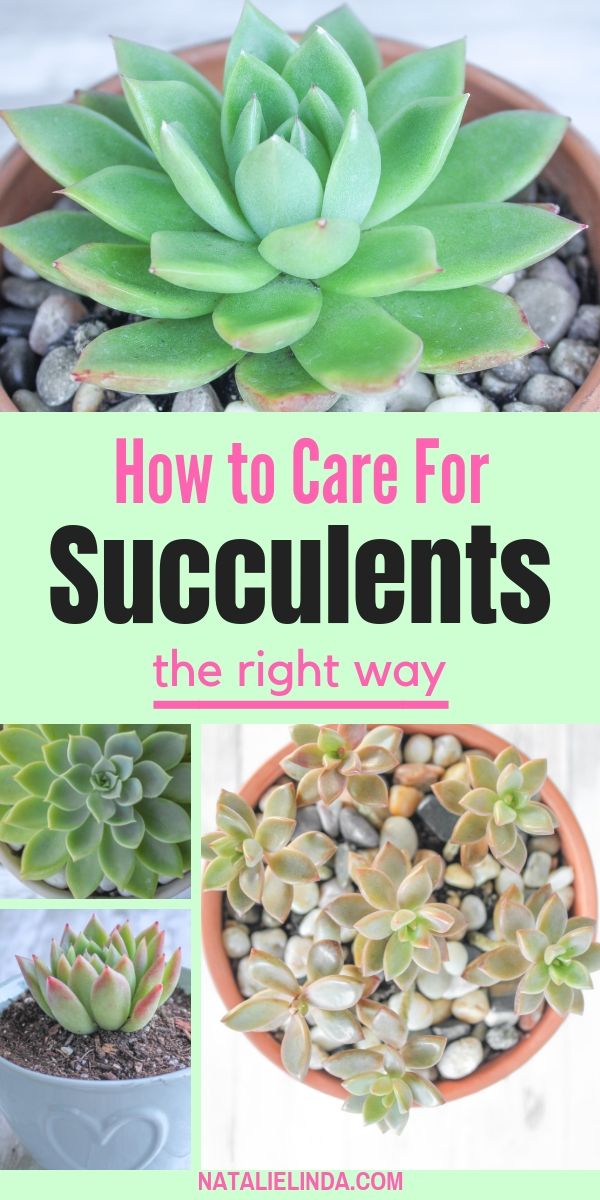


Planting and Caring for Your Succulent Garden
Now that you've selected your succulents, containers, and soil, it's time to create your indoor garden. The planting process is straightforward and rewarding, allowing you to customize your garden to your unique style and preferences.
Before planting, water your succulents thoroughly to ensure their roots are well-hydrated. Allow the plants to drain completely before planting to prevent excess moisture from accumulating in the soil.
Planting Techniques
When planting your succulents, consider the overall design and aesthetic of your garden. Create a visually appealing arrangement by grouping plants with similar care requirements together. This approach will simplify maintenance and ensure your garden thrives in its indoor environment.


To create a lush, full look, plant your succulents close together, leaving minimal space between each plant. This technique encourages the plants to grow together, creating a cohesive and attractive garden. Once you've arranged your succulents in the container, gently press the soil around the base of each plant to secure them in place.
Watering and Maintenance
Watering your succulent garden is a critical aspect of maintaining their health and vitality. As a general rule, allow the soil to dry out completely between waterings. This approach encourages the plants to develop strong, deep roots and promotes overall resilience. To determine when to water your garden, insert a wooden skewer or chopstick into the soil; if it comes out dry, it's time to water your plants.
Maintaining your succulent garden involves minimal effort, as these hardy plants require little attention. However, occasional pruning and repotting may be necessary to keep your garden looking its best. Remove any dead or yellowing leaves, and trim back overgrown plants as needed. If your succulents become root-bound or outgrow their current container, repot them in a larger pot with fresh, well-draining soil.
Styling and Displaying Your Indoor Succulent Garden
Creating a visually appealing indoor succulent garden involves more than just selecting the right plants and containers. Styling your garden thoughtfully will elevate its aesthetic and create a cohesive, inviting space.
Consider the overall design of your room when selecting containers and arranging your plants. For a modern, minimalist look, opt for sleek, geometric containers and arrange your plants in a symmetrical pattern. Alternatively, create a bohemian-inspired garden by combining eclectic containers and arranging plants in an organic, asymmetrical layout.
Hanging Gardens and Vertical Displays
Maximize your space and create a stunning visual impact by incorporating hanging gardens and vertical displays into your indoor succulent garden. Suspend terracotta pots or wooden boxes from the ceiling using macrame hangers or chains, creating a lush, hanging garden that adds depth and dimension to your space.
Vertical displays, such as wall-mounted planters or succulent terrariums, are another excellent way to showcase your plants and make the most of your available space. Arrange succulents in a vertical pattern, creating a living wall that adds texture and interest to your room.
Integrating Succulents into Existing Decor
Incorporating succulents into your existing decor is an easy way to update your space and add a touch of greenery. Place small succulent plants in decorative bowls, vases, or glass cloches, creating a collection of miniature gardens that can be arranged on shelves, mantels, or coffee tables.
For a more cohesive look, choose containers that complement your existing decor, such as metallic pots for a modern space or wooden boxes for a rustic aesthetic. By integrating your succulent garden into your overall design scheme, you'll create a harmonious and inviting indoor environment.
Creating an indoor succulent garden is an rewarding and enjoyable way to bring nature into your home. With their unique beauty and low-maintenance requirements, succulents are the perfect choice for gardeners of all skill levels. By selecting the right plants, containers, and styling techniques, you'll create a stunning indoor garden that purifies the air, boosts your well-being, and adds a touch of natural elegance to your space. So go ahead, embrace your green thumb, and let your indoor succulent garden flourish.
Related Articles

How to Create a Thriving Cactus Garden: A Step-by-Step Guide
Embarking on a cactus gardening journey can be an exciting and rewarding experience. These hardy, low-maintenance plants not only add a unique touch to your...

Mastering Succulent Garden Beds: A Step-by-Step Guide
Succulents are a gardener's dream, requiring minimal effort and thriving in a wide range of conditions. If you're eager to transform your garden bed into a...

How to Create a Thriving Indoor Succulent Garden
Transform your indoor space into a lush, miniature desert oasis with a captivating succulent garden. These low-maintenance plants, with their fleshy leaves and...

How to Build a Thriving Garden: A Step-by-Step Guide
Transforming a patch of earth into a thriving, vibrant garden is a rewarding journey that combines art, science, and a touch of magic. Whether you're a...

Create a Thriving Rock Garden: How to Plant Succulents
Embarking on a gardening journey with succulents and rocks? You're in for a treat! Succulents, with their fleshy leaves and unique shapes, thrive in rock...

Crafting a Charming Cottage Garden: A Step-by-Step Guide
Embarking on the delightful journey of creating a cottage garden is like stepping into a whimsical fairy tale, where nature's beauty unfolds in a charming...