How to Paint Tile Walls: A Step-by-Step Guide
Transforming your bathroom or kitchen from drab to fab is easier than you think with a little paint and a lot of creativity. Painting tile walls can freshen up your space, add a pop of color, and even create the illusion of more space. So, grab your brushes and let's dive into this step-by-step guide on how to paint tile walls like a pro.
Before we dive into the nitty-gritty, let's talk about why you might want to paint your tile walls. Tiles can be expensive to replace, and painting is a cost-effective way to update your space. Plus, it's a great way to express your personal style and create a unique look in your home.
Preparation: Getting Your Tiles Ready
Before you reach for the paint, there are a few crucial steps to prepare your tiles for a perfect finish.


First, you'll want to clean your tiles thoroughly. Use a solution of water and mild detergent to remove any dirt, grease, or soap scum. For tougher stains, you might need to use a stronger cleaner or even a mixture of bleach and water. Remember to wear gloves and ensure the room is well-ventilated when using harsh chemicals.
Inspect Your Tiles
Next, inspect your tiles for any damage or cracks. If you find any, you'll need to repair them before painting. Otherwise, the paint could peel or flake off over time.


Also, check for any missing grout. If you find any, you'll need to replace it to ensure a smooth, even surface for painting.
Prime Your Tiles
Priming your tiles is a crucial step that's often overlooked. A good primer will help the paint adhere better, prevent mold and mildew growth, and ensure even coverage.
Choose a primer specifically designed for tiles. These primers usually have mold inhibitors and are formulated to stick to glossy surfaces. Apply the primer using a roller or brush, following the manufacturer's instructions for drying times.




Choosing the Right Paint
Now that your tiles are primed and ready, it's time to choose the right paint. When painting tile walls, you'll want to use a paint that's designed for glossy surfaces and can withstand moisture.
Latex paint is usually a good choice for tiles. It's durable, easy to clean, and comes in a variety of finishes. You can also use acrylic paint, which is water-based and has similar properties to latex paint.
Consider the Finish
When choosing a finish, consider the look you want to achieve and the level of durability you need. High-gloss paint is easy to clean and reflects light, making small spaces feel larger. However, it can also highlight imperfections in the tile.


Semi-gloss paint is a good compromise between durability and appearance. It's easy to clean and has a subtle sheen that reflects light without being too shiny. Matte paint, on the other hand, has a flat finish that can hide imperfections but is more difficult to clean.
Don't Forget the Edges
When painting tile walls, don't forget to paint the edges where the tile meets the wall or ceiling. This will give your paint job a professional finish and help prevent water from getting behind the tile and causing damage.
Use a small paintbrush to paint along the edges, being careful not to get paint on the wall or ceiling. You can also use painter's tape to protect these areas if you're not confident in your painting skills.
Painting Techniques
Now that you've chosen your paint and prepared your tiles, it's time to start painting. Here are some techniques to help you achieve a professional-looking finish.
First, use a paintbrush to cut in along the edges of the tile, painting a 2-3 inch border around the entire wall. This will give you a clean edge and help you avoid painting over the tile with your roller.
Use a Roller for Even Coverage
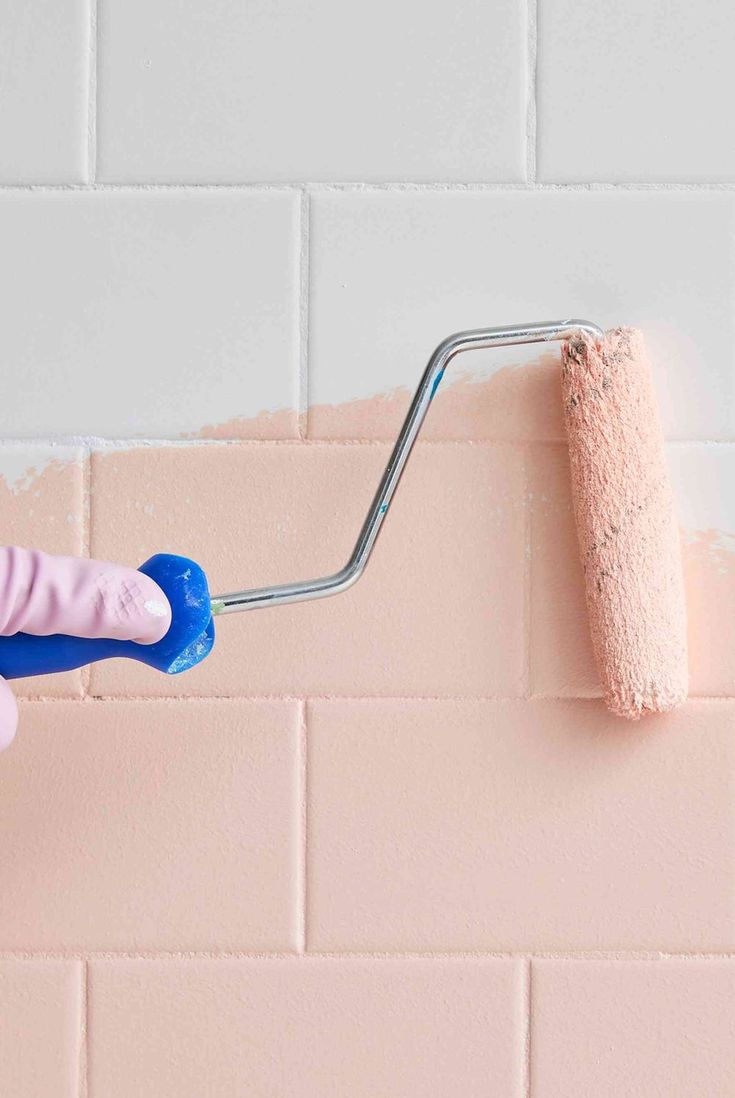
Next, use a roller to apply the paint to the rest of the tile. A roller with a short nap (less than 1/4 inch) is usually best for painting tile walls. This will help you achieve even coverage and prevent the paint from getting too thick.
Work in small sections, painting a 3x3 foot area at a time. This will help you maintain a wet edge and ensure even coverage. Start at the top of the wall and work your way down, using a zigzag motion to apply the paint.
Apply Multiple Coats
Tile paint often requires multiple coats to achieve full coverage. Don't be tempted to apply a thick layer of paint in an attempt to cover the tile in one coat. This can lead to drips, runs, and a uneven finish.
Instead, apply thin, even coats of paint, allowing each coat to dry completely before applying the next. Most tile paints will require at least two coats, but you may need three or more depending on the color and finish of the paint.
Let It Dry
Finally, once you've applied your last coat of paint, allow it to dry completely before using the room. This can take anywhere from 24 to 48 hours, depending on the humidity and temperature in your home.
Once the paint is dry, you can gently clean the tiles with a damp cloth to remove any dust or debris. Then, stand back and admire your handiwork!
Painting tile walls can be a transformative way to update your space, and with these tips and techniques, you're well on your way to a stunning result. So go ahead, grab your brushes, and let your creativity flow. Happy painting!
Related Articles

How to Paint Outdoor Steps: A Step-by-Step Guide
Transforming your outdoor steps into a vibrant, welcoming entrance doesn't have to be a daunting task. With the right tools, techniques, and a little patience...

Transform Your Bedroom: Step-by-Step Guide to Painting a Mural
Transforming a bedroom into a vibrant, personalized space is an exciting project, and painting a mural is an excellent way to achieve this. A bedroom mural can...

Chalk Paint Wardrobe Makeover: Step-by-Step Guide
Transforming a tired, old wardrobe into a stylish, shabby-chic masterpiece is easier than you think with chalk paint. This versatile, water-based paint...

Transform Gold Jewelry to Silver: A Step-by-Step Guide
Transforming gold jewelry into silver can be a rewarding DIY project, adding a fresh touch to your accessories. While it's not possible to physically change...

Mastering Shower Floor Tile Coverage: A Step-by-Step Guide
Tackling a bathroom renovation project? One of the most crucial aspects is ensuring your shower floor tiles are not only visually appealing but also safe and...

Mastering Tall Staircase Walls: A Comprehensive Painting Guide
Transforming tall staircase walls into a canvas of color and creativity can be a daunting task, but with the right techniques and a bit of planning, you can...