Boost Privacy: How to Fortify Your Wooden Fence
Privacy is a top priority for many homeowners, and a wooden fence can be an excellent way to achieve this. However, standard wooden fences may not provide the desired level of seclusion. Here, we'll explore how to make a wooden fence more private, enhancing your outdoor space and ensuring your privacy.
Before we delve into the methods, it's crucial to understand that privacy fences come in various styles and heights. The most common are 6-foot tall privacy fences, but you can also choose taller or shorter ones depending on your specific needs and local regulations.
Adding Privacy Slats
One of the most effective ways to make a wooden fence more private is by adding privacy slats. These are narrow, vertical boards that fill in the gaps between the fence's pickets or planks, blocking visibility from both sides.


Privacy slats can be made from the same material as your fence or a complementary one. They can be installed on existing fences or integrated into the design of a new one. Ensure they're securely attached to prevent warping or movement over time.
Solid Privacy Slats
Solid privacy slats provide complete privacy, as they don't have any gaps or spaces between them. They're ideal for blocking views from all angles, including from above, making them perfect for backyards with second-story windows overlooking your property.


However, keep in mind that solid privacy slats can make your fence look more imposing and may reduce airflow. They're also more expensive and time-consuming to install than other options.
Lattice Privacy Slats
Lattice privacy slats offer a balance between privacy and aesthetics. They feature open patterns that allow some airflow and light penetration while still blocking most views. This makes them a great choice if you want to maintain some visibility while enhancing your fence's privacy.
Lattice slats come in various designs, from simple geometric patterns to intricate, decorative ones. Choose a style that complements your fence's design and your home's architecture.


Installing Arbors and Trellises
Arbors and trellises can add both beauty and privacy to your wooden fence. By planting climbing plants or vines on them, you can create a living wall that provides additional seclusion while softening the fence's appearance.
Arbors and trellises can be freestanding or attached to your fence. They can be made from the same material as your fence or from a complementary one. Consider installing them at regular intervals along the fence line for maximum effect.
Evergreen Vines
Evergreen vines are an excellent choice for creating a year-round privacy screen. They maintain their foliage throughout the year, providing consistent coverage even in winter. Some popular evergreen vine options include ivy, English ivy, and Boston ivy.


When selecting evergreen vines, consider their growth rate and ultimate size. Faster-growing vines will provide quicker coverage, while slower-growing ones may require more patience. Also, ensure the vine's mature size won't outgrow your arbor or trellis, potentially damaging your fence.
Annual and Perennial Climbers
Annual and perennial climbing plants can add color and texture to your fence while providing seasonal privacy. They're a great choice if you want to change up your fence's appearance each year or if you live in a colder climate where evergreens may struggle.
Some popular annual climbing plants include morning glories, black-eyed Susans, and nasturtiums. Perennial options include clematis, wisteria, and climbing roses. When choosing plants, consider their bloom time, growth habit, and care requirements to ensure they thrive in your climate and soil conditions.
Installing a Screen or Panel
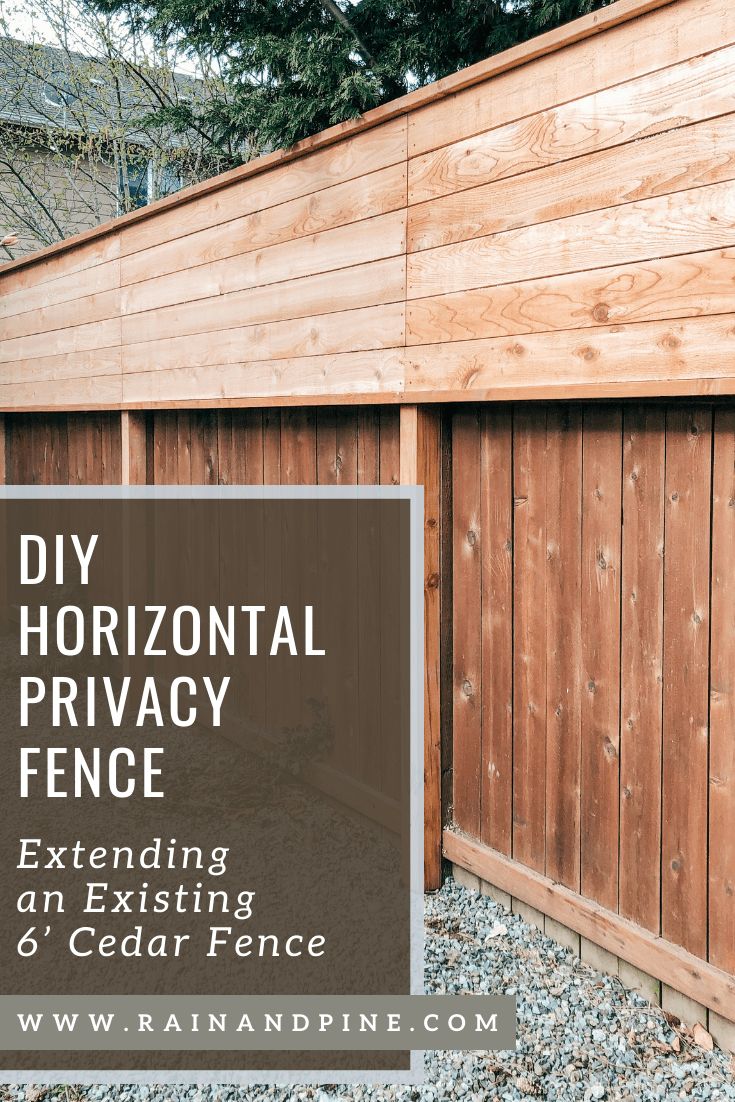
If you have an existing wooden fence that you want to make more private, installing a screen or panel is an effective and relatively inexpensive solution. These prefabricated structures attach to the top of your fence, providing additional height and blocking views from above.
Privacy screens and panels come in various materials, including wood, vinyl, and metal. They're available in different heights and styles, allowing you to choose one that complements your fence's design and your home's architecture.
Wooden Privacy Screens
Wooden privacy screens are a popular choice for their natural appearance and durability. They can be stained or painted to match your fence or left natural for a rustic look. Wooden screens are typically made from cedar or redwood, which are resistant to rot and decay.
When installing wooden privacy screens, ensure they're securely attached to your fence and the ground to prevent them from being blown over or damaged in high winds. Also, consider the screen's weight and your fence's structural integrity to ensure it can support the additional load.
Vinyl and Metal Privacy Screens
Vinyl and metal privacy screens are lightweight, durable, and low-maintenance. They're available in various colors and styles, making it easy to find one that complements your fence and home. These screens are typically less expensive than wooden ones and are easier to install.
However, keep in mind that vinyl and metal screens may not provide the same level of privacy as wooden ones, as they can be more transparent to light. Also, they may not age as well as wood, potentially becoming faded or damaged over time.
By incorporating these strategies, you can effectively make your wooden fence more private, enhancing your outdoor space and ensuring your privacy. Don't forget to consider your local regulations and homeowners association rules when making changes to your fence. Happy DIYing!
Related Articles

Boost Privacy: How to Transform Your Slatted Fence
Looking to enhance the privacy of your outdoor space? A slatted fence can be a stylish and functional addition, but it may not provide the privacy you need on...

Boost Privacy: How to Transform Your Picket Fence
Looking to enhance the privacy of your outdoor space? A picket fence can be a charming addition to your property, but it may not provide the seclusion you...

Boost Privacy: Transform Your Glass Shower
Privacy is a top priority in any bathroom, and a glass shower can often feel a bit too exposed. However, there are several creative and functional ways to make...

Boost Privacy: DIY Chain Link Fence Enhancements
If you're looking to enhance the privacy of your property, a chain link fence might not be your first choice. However, with a few strategic additions and...

Boost Privacy: DIY Split Rail Fence Enhancements
Transforming a split rail fence into a more private barrier can significantly enhance your outdoor space, providing a sense of seclusion and security. This...

Transform Chain Link Fences: DIY Privacy Slats
Privacy is a top concern for many homeowners, especially when it comes to their outdoor spaces. While chain link fences offer excellent security and...