Tiered Lawn: Step-by-Step Guide
Transforming your outdoor space into a visually stunning, tiered lawn can enhance your home's curb appeal and create a welcoming atmosphere. By strategically incorporating different levels, you can add depth, dimension, and interest to your landscape. Here's a comprehensive guide on how to create a beautiful, tiered lawn that will be the envy of your neighborhood.
Before you start, it's essential to understand that creating a tiered lawn involves more than just digging up your existing lawn and adding some slopes. You'll need to plan, prepare, and maintain your lawn to ensure its longevity and beauty. Let's dive into the details of this exciting project.
Planning Your Tiered Lawn
Planning is the foundation of any successful project, and creating a tiered lawn is no exception. Start by assessing your property's layout, considering factors like sunlight exposure, drainage, and existing features such as trees, shrubs, and pathways.


Sketch out a rough design, incorporating your desired number of tiers, their sizes, and locations. Keep in mind that steeper slopes may require more frequent maintenance and could pose safety hazards. Aim for gentle, graduated changes in elevation for a safe and aesthetically pleasing result.
Choosing the Right Location
Select a location for your tiered lawn that complements your home's architecture and enhances its overall appearance. Front yards are typically the best choice, as they make a strong first impression. However, you can also incorporate tiered lawns into backyards, creating intimate seating areas or defining different zones, such as a dining area and a play space.


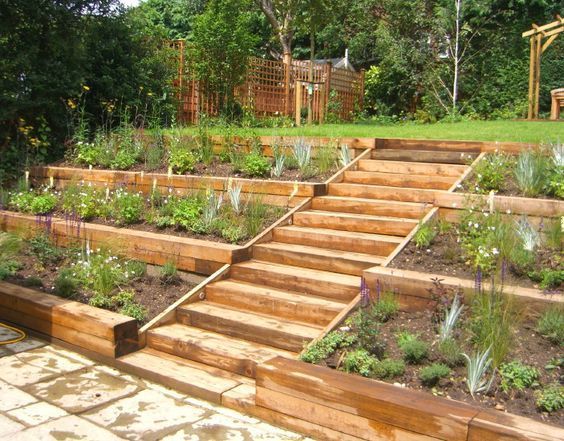
Consider the view from inside your home as well. A well-designed tiered lawn can frame windows and create an inviting outdoor living space that seamlessly transitions from indoors to out.
Designing for Drainage
Proper drainage is crucial for maintaining a healthy lawn and preventing waterlogging, which can lead to soil erosion and plant diseases. When planning your tiered lawn, ensure that each tier has a slight slope to facilitate water runoff. The highest tier should have the steepest slope, with each subsequent tier having a gentler slope to direct water away from your home.
Installing a French drain or other drainage systems may be necessary to manage excess water, especially in areas with heavy rainfall. Consult with a local landscape professional if you're unsure about your property's drainage needs.


Preparing Your Lawn for Tiering
Before you begin digging and creating your tiers, it's essential to prepare your existing lawn to minimize damage and ensure a smooth transition to your new landscape design.
Start by removing any existing landscaping features, such as flower beds, pathways, or patios, that may be in the way. Next, use a lawn edger to create clean, straight lines that will serve as the boundaries for your tiers. This will help you maintain a consistent shape and size for each tier as you work.
Removing Existing Turf
Carefully remove the existing turf from the areas where you'll create your tiers. You can use a sod cutter or a sharp spade to slice through the grass roots and lift the sod in manageable sections. Be sure to wear gloves and protective clothing to avoid injury while working.


Once you've removed the sod, you can either compost it or dispose of it according to local regulations. If you plan to reuse the sod for another project, lay it out on a flat surface and keep it moist until you're ready to use it.
Testing Your Soil
Before you begin creating your tiers, it's a good idea to test your soil's pH and nutrient levels. This information will help you determine if any amendments are needed to support healthy grass growth on your new tiers. You can purchase a home testing kit or send samples to a professional laboratory for more accurate results.
Ideal soil pH for most grasses ranges between 6.0 and 7.0. If your soil is too acidic or alkaline, you can adjust the pH by adding lime (to raise pH) or sulfur (to lower pH). Consult a local nursery or garden center for specific recommendations based on your soil test results and the grass variety you've chosen.
Creating Your Tiered Lawn
With your planning and preparation complete, it's time to start building your tiered lawn. This process involves creating the desired shapes and slopes for each tier, installing any necessary drainage systems, and preparing the soil for sodding or seeding.
Remember that patience and attention to detail are key when creating a tiered lawn. Take your time, and don't be afraid to adjust your design as needed to accommodate any unexpected challenges you may encounter along the way.
Building the Tiers
Using your design plan as a guide, begin creating the shapes and slopes for each tier. You can use a shovel, a flathead spade, or a rototiller to dig out the soil and create the desired contours. Work in small sections, carefully measuring and leveling each tier to ensure a consistent, graduated appearance.
As you build each tier, use a string line and level to maintain a consistent slope and height. This will help you create a visually appealing, symmetrical design that complements your home's architecture. If you're unsure about the best tools or techniques for your specific project, consult a local landscape professional for personalized advice.
Installing Drainage Systems
Once you've created the shapes and slopes for your tiers, install any necessary drainage systems to manage excess water and prevent soil erosion. French drains, dry wells, or catch basins can be effective solutions for directing water away from your lawn and protecting your home's foundation.
Work with a professional if you're unsure about the best drainage system for your property. They can assess your specific needs and recommend the most appropriate solution to ensure optimal water management and long-term lawn health.
Preparing the Soil
Before installing sod or seeding your new tiers, it's essential to prepare the soil to support healthy grass growth. Begin by removing any rocks, debris, or roots from the soil, using a rake or a shovel to break up any compacted areas.
Next, add a layer of high-quality topsoil or a soil amendment, such as compost or manure, to improve the soil's structure and nutrient content. Till the soil to a depth of at least 6 inches, ensuring that the amendments are well-incorporated and evenly distributed.
Sodding or Seeding Your Tiered Lawn
With your tiers built, drainage systems installed, and soil prepared, it's time to choose between sodding and seeding your new lawn. Both methods have their advantages, and the best choice depends on your specific needs, budget, and timeline.
Sodding provides instant gratification, as it allows you to enjoy a lush, green lawn immediately after installation. However, it can be more expensive than seeding and may require more frequent watering and maintenance during the initial stages of growth. Seeding, on the other hand, is more affordable and allows you to customize your lawn with a variety of grass species and blends. However, it requires patience, as it can take several weeks or even months for the grass to fully establish.
Sodding Your Tiered Lawn
If you've chosen to sod your tiered lawn, begin by laying out the sod strips along the edges of each tier, using a sharp knife or a sod cutter to create clean, straight edges. Work from one side of the tier to the other, staggering the seams between sod strips to create a strong, interconnected network of roots.
Press the sod firmly into the prepared soil, ensuring that the seams between strips are tightly sealed and that there are no air pockets beneath the sod. Water the sod immediately after installation, providing enough moisture to keep the soil consistently damp but not waterlogged. Maintain this watering schedule until the sod has taken root, typically within 2-3 weeks.
Seeding Your Tiered Lawn
To seed your tiered lawn, start by spreading a layer of grass seed evenly across each tier, using a seed spreader or a handheld spreader to ensure consistent coverage. Follow the seed package instructions for the appropriate seeding rate, typically ranging from 1 to 2 pounds of seed per 1,000 square feet.
Gently rake the seed into the soil, creating a thin layer of topsoil over the seeds to protect them from sunlight and encourage germination. Water the seeded area lightly and consistently, keeping the soil consistently moist but not waterlogged. Avoid walking on the seeded area until the grass has germinated and established, typically within 2-3 weeks.
Maintaining Your Tiered Lawn
Creating a beautiful tiered lawn is just the beginning. Regular maintenance is essential to keep your lawn looking its best and ensure its long-term health. Here are some tips for maintaining your tiered lawn and preserving its stunning appearance.
Mowing, watering, and fertilizing are all crucial aspects of lawn maintenance. However, these tasks can be more challenging on a tiered lawn due to its unique shape and slope. Be sure to use a mower with adjustable cutting heights and consider investing in a self-propelled mower to make the job easier and more efficient.
Mowing Your Tiered Lawn
Mow your tiered lawn regularly, following the one-third rule – never remove more than one-third of the grass blade height at a time. This helps promote healthy grass growth and prevents stress to the plants. Adjust the mower's cutting height to accommodate the varying slopes and contours of your tiers, and be sure to mow in patterns that follow the natural shape of each tier.
Edge the lawn along walkways, driveways, and other hard surfaces to create clean, well-defined boundaries and prevent grass from encroaching on these areas. Use a string trimmer or a lawn edger to create crisp, straight lines that enhance the overall appearance of your tiered lawn.
Watering Your Tiered Lawn
Water your tiered lawn deeply and infrequently to encourage deep root growth and promote drought tolerance. The ideal watering schedule depends on factors such as grass type, soil composition, and climate. In general, water your lawn once or twice a week, providing enough moisture to saturate the soil to a depth of 6-8 inches.
Adjust your watering schedule to accommodate variations in rainfall and temperature, and be sure to water your lawn early in the morning to minimize evaporation and reduce the risk of fungal diseases. Use a rain gauge to monitor your watering and ensure that you're providing the optimal amount of moisture for your lawn's specific needs.
Fertilizing Your Tiered Lawn
Fertilize your tiered lawn annually to provide the necessary nutrients for healthy growth and development. Choose a slow-release, balanced fertilizer with a nitrogen-phosphorus-potassium (N-P-K) ratio suitable for your grass type and soil composition. Follow the package instructions for the appropriate application rate, typically ranging from 1 to 2 pounds of nitrogen per 1,000 square feet.
Apply the fertilizer evenly across each tier, using a spreader or a handheld applicator to ensure consistent coverage. Water the fertilizer into the soil immediately after application, providing enough moisture to activate the nutrients and promote absorption. Be sure to avoid fertilizing during periods of drought or extreme heat, as this can damage the grass and lead to nutrient runoff.
Creating a stunning, tiered lawn is an exciting and rewarding project that can transform your outdoor space into a welcoming, inviting oasis. With careful planning, preparation, and maintenance, you can enjoy a beautiful, lush lawn that enhances your home's curb appeal and provides a perfect setting for outdoor living and entertainment. So, grab your tools and get started on your tiered lawn project today – your neighbors will be green with envy!
Related Articles

Step-by-Step Guide: Creating a Brick Walkway in Your Lawn
Transforming your outdoor space into a functional and inviting area can be achieved with a simple yet elegant addition: a brick walkway through your grass...

Crafting a Wooden Knife Block: A Step-by-Step Guide
Crafting a knife block from wood is a rewarding DIY project that combines functionality and aesthetics. Not only does it keep your knives organized and easily...

Crafting a Pocket Knife from Scratch: A Step-by-Step Guide
Crafting a pocket knife from scratch is an engaging and rewarding project that combines artistry, skill, and patience. This comprehensive guide will walk you...

Easy DIY Card Holders: Step-by-Step Guide
Creating personalized card holders can be a rewarding DIY project that adds a touch of uniqueness to your cards. Whether you're making them for business cards...

Crafting a 18-Inch Mesh Wreath: A Step-by-Step Guide
Creating a festive wreath is a delightful way to welcome the holiday season, and using an 18-inch mesh form makes the process both fun and manageable. This...

Mastering PVC Wall Construction: A Step-by-Step Guide
Transforming your space with a PVC wall is an excellent way to enhance both aesthetics and functionality. PVC, or polyvinyl chloride, is a durable...