How to Keep Succulents Alive Indoors
Succulents, with their vibrant colors and unique shapes, have become a staple in modern indoor gardening. Despite their reputation for being low-maintenance, these plants still require specific care to thrive indoors. Let's delve into the art of keeping your succulents alive and flourishing in your home.
Firstly, understanding the basics of succulent care is crucial. Succulents are native to arid regions, which means they're adapted to survive in harsh, dry conditions. This knowledge forms the foundation for providing the right environment for your indoor succulents.
Creating the Right Environment
Replicating the succulents' natural habitat is key to their indoor survival. This involves considering light, temperature, and humidity.


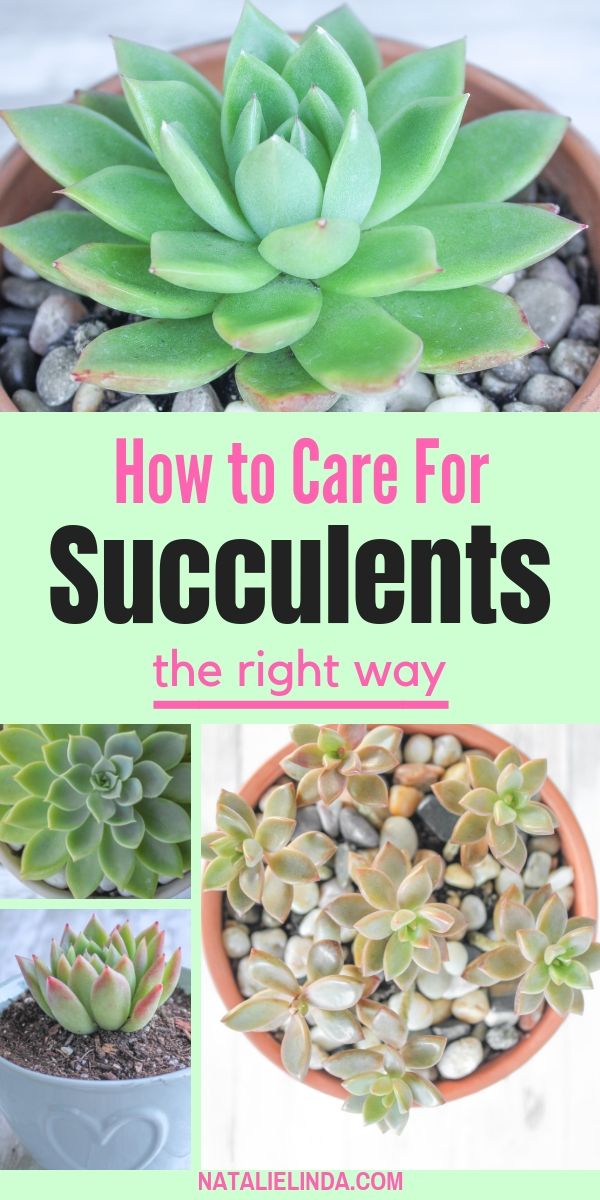
Light: Most succulents require bright, indirect light. Place them near a north- or east-facing window, or a few feet back from a south- or west-facing window. Remember, too much direct sunlight can scorch their leaves.
Light Intensity
Understand your succulent's light needs. Some, like Echeverias and Haworthias, prefer bright, indirect light, while others, like Snake Plants and ZZ Plants, can tolerate low-light conditions.


Rotate your succulents periodically to ensure all sides receive equal light, promoting even growth.
Temperature and Humidity
Temperature: Succulents prefer temperatures between 70-80°F (21-27°C) during the day and a 50°F (10°C) drop at night. Most homes maintain these temperatures, but be mindful of drafty areas or windows that could expose your plants to extreme temperatures.
Humidity: Succulents prefer low humidity, typically between 40-50%. Most homes maintain this range, but if you live in a humid area, consider using a dehumidifier or placing a pebble tray filled with water near your plants to create a humid microclimate.


Watering and Soil
Watering is where many succulent owners go wrong. Overwatering is the leading cause of succulent death. Remember, succulents store water in their leaves and stems, so they don't need frequent watering.
Soil: Use well-draining soil specifically formulated for succulents. Regular potting soil retains too much water, leading to root rot in succulents.
Watering Techniques
Water your succulents when the top inch of soil is dry. Stick your finger into the soil to check. Water thoroughly until the soil is saturated, then allow it to dry out completely before watering again. This encourages deep root growth.


Never let your succulents sit in standing water. Ensure your pots have drainage holes to prevent waterlogging.
Fertilizing
Fertilize your succulents sparingly, once or twice a year using a balanced, water-soluble fertilizer diluted to half strength. Overfertilizing can burn the roots and cause more harm than good.
Prune your succulents as needed to remove dead leaves or stems. This promotes new growth and keeps your plants looking their best.
In the world of indoor gardening, succulents offer a unique blend of beauty and resilience. With the right care, they can thrive in your home, adding a touch of nature to your living space. So, go ahead, embrace the art of succulent care, and watch your indoor garden flourish.
Related Articles

10 Proven Ways to Keep the Spark Alive in the Bedroom
Keeping the spark alive in a long-term relationship can be a challenge, but it's far from impossible. One area where many couples find they need to put in...

How to Keep Potted Flowers Alive
Nurturing life in a pot can be a rewarding experience, and with the right care, your potted flowers can bloom beautifully for months. Whether you're a seasoned...

Keep the Spark Alive: Long-Distance Relationship Tips
Long distance relationships can be challenging, but they don't have to be dull. Keeping the spark alive when you're apart requires effort, creativity, and a...
How to Keep the Spark Alive in Long-Distance Relationships
Long distance relationships can be challenging, but they don't have to be dull. Keeping the spark alive when you're miles apart is all about creativity...

Creative Card Storage: 15+ Innovative Ways to Keep Greeting Cards
Greeting cards are more than just pieces of paper; they're cherished memories, heartfelt sentiments, and colorful art that brighten our lives. Storing them...

Best Cooling Options for Cats: Keep Your Feline Friend Comfortable
Cats, with their sleek coats and independent nature, are beloved pets worldwide. However, they are also sensitive to temperature changes, which can lead to...