How to Remove Heat Marks from Dining Table
Have you recently noticed an unsightly heat mark on your dining table, marring its once pristine surface? Don't despair, as there are several effective methods to help you get rid of this blemish and restore your table's original glory. In this guide, we'll explore various techniques that cater to different table materials, ensuring you find the perfect solution for your furniture.
Before we dive into the remedies, it's crucial to understand that prevention is always better than cure. To avoid heat marks in the future, always use coasters or trivets under hot dishes and beverages. Now, let's tackle those existing heat marks and help you regain your table's beauty.
Understanding Heat Marks and Their Causes
Heat marks occur when excessive heat is applied to a table's surface, causing the finish to warp, discolor, or even melt. This can happen due to direct contact with hot dishes, pots, or appliances, or from prolonged exposure to sunlight. The severity of the mark depends on the table's material and the intensity of the heat source.
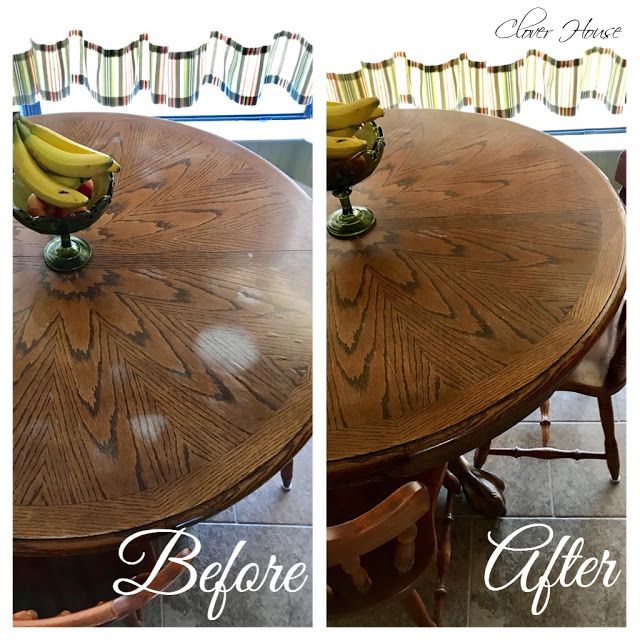


To effectively remove heat marks, you must first identify your table's material. Common dining table materials include wood, glass, laminate, and metal. Each material requires a tailored approach to remove heat marks, which we'll discuss in the following sections.
Removing Heat Marks from Wooden Tables
Wooden tables are susceptible to heat marks, as the heat can cause the wood's natural oils to evaporate, leaving a discolored or faded patch. To remove heat marks from wooden tables, follow these steps:


Method 1: Mild Heat Mark Removal
For mild heat marks, you can use a simple mixture of equal parts olive oil and lemon juice to restore the wood's natural color and shine. Apply the mixture to a soft cloth and gently rub the heat mark in a circular motion. Allow the solution to sit for 15-20 minutes, then buff the area with a clean, dry cloth.
Repeat this process if necessary, but be cautious not to over-saturate the wood, as excessive oil can cause damage or attract dust. Always test this method on a small, hidden area first to ensure it doesn't cause discoloration or other unwanted effects.
Method 2: Severe Heat Mark Removal
For more severe heat marks, you may need to refinish the affected area. Start by lightly sanding the heat mark using fine-grit sandpaper (220-grit or higher) in the direction of the wood grain. Be careful not to sand too deeply, as this can damage the wood's surface.


Once you've sanded the area, wipe it clean with a damp cloth to remove any dust. Apply a wood stain that matches your table's finish, using a soft brush or cloth to ensure even coverage. Allow the stain to sit for the recommended time, then wipe off any excess with a clean cloth. Finally, apply a thin layer of wood polish or sealant to protect the repaired area and restore the table's gloss.
Removing Heat Marks from Glass Tables
Glass tables are more resistant to heat marks than wooden tables, but prolonged exposure to high heat can still cause discoloration or warping. To remove heat marks from glass tables, follow these steps:
Method 1: Mild Heat Mark Removal
For mild heat marks, you can use a glass cleaner specifically designed for removing stains and marks. Spray the cleaner onto a soft, lint-free cloth and gently rub the heat mark in a circular motion. Buff the area with a clean, dry cloth to remove any residue and restore the glass's shine.


If the heat mark persists, you can create a homemade glass cleaner by mixing equal parts white vinegar and distilled water. Apply the solution to a soft cloth and gently rub the heat mark, then buff the area with a clean, dry cloth.
Method 2: Severe Heat Mark Removal
For severe heat marks, you may need to consult a professional glass repair service, as attempting to remove the mark yourself could result in damage or breakage. In some cases, the affected area may need to be replaced entirely.
To prevent heat marks on glass tables, always use coasters or trivets under hot dishes and beverages, and avoid placing the table in direct sunlight for extended periods.
Removing Heat Marks from Laminate and Metal Tables
Laminate and metal tables are more durable and heat-resistant than wooden or glass tables, but they can still be affected by excessive heat. To remove heat marks from laminate and metal tables, follow these steps:
Method 1: Mild Heat Mark Removal
For mild heat marks on laminate and metal tables, you can use a mild abrasive cleaner or a mixture of baking soda and water. Apply the cleaner or paste to a soft, non-abrasive cloth and gently rub the heat mark in a circular motion. Wipe the area clean with a damp cloth, then dry it with a clean, dry cloth.
For metal tables, you can also use a metal polish or brass cleaner to remove heat marks and restore the table's shine. Always test these cleaners on a small, hidden area first to ensure they don't cause discoloration or other unwanted effects.
Method 2: Severe Heat Mark Removal
For severe heat marks on laminate and metal tables, you may need to consult a professional repair service, as attempting to remove the mark yourself could result in damage or discoloration. In some cases, the affected area may need to be replaced entirely.
To prevent heat marks on laminate and metal tables, always use coasters or trivets under hot dishes and beverages, and avoid placing the table in direct sunlight for extended periods.
In the world of home maintenance, patience and persistence are key when it comes to removing heat marks from your dining table. By understanding your table's material and employing the appropriate techniques, you can successfully restore your table's beauty and create a welcoming space for family and friends to gather. So, don't let those pesky heat marks dampen your dining experience – take action today and bring back the shine to your table!
Related Articles

How to Remove Stains from Upholstered Dining Chairs
Accidents happen, and your once pristine upholstered dining chairs may now bear witness to spilled wine, tomato sauce, or even ink stains. But fear not, for...

Effortlessly Remove Rubber Mulch from Your Garden
Tired of the rubbery, black appearance of your garden? Ready to bid farewell to rubber mulch? Removing rubber mulch from your garden can seem like a daunting...

How to Remove Brown Hair Dye from Bathroom Sink
Accidentally dyed your hair in the bathroom sink, only to realize the dye has stained the sink? Don't worry, you're not alone. Hair dye stains can be stubborn...

Do Dining Chairs Need to Match the Table?
When it comes to furnishing a dining space, one of the most common questions is whether dining chairs need to match the table. The short answer is no, they...

Modern Dining Table & Chairs Set of 6
Elevate your dining space with a modern dining table chairs set of 6 , the perfect blend of style and functionality. These chairs are not just seats; they're...

How to Remove Paint from a Brick Fireplace: Reddit's Best Methods
Ever found yourself admiring the rustic charm of a brick fireplace, only to realize it's been painted over, hiding its natural beauty? You're not alone. Many...