How to Dress a Window Behind a Bed
When it comes to designing a bedroom, one often overlooked aspect is the window dressing. The window behind your bed can significantly impact the room's ambiance, light, and privacy. Dressing it appropriately can enhance your sleep environment and complement your bedroom's overall aesthetic. Let's delve into how to dress a window behind a bed, exploring various styles, materials, and practical considerations.
Firstly, consider the function and style you want your window treatment to serve. Do you prefer a light, airy space or a cozy, dark retreat? Are you aiming for a modern, minimalist look or a classic, luxurious feel? Your choice of window dressing should align with your bedroom's design scheme and your personal preferences.
Understanding Window Types
Before diving into window dressing options, it's crucial to understand the different types of windows you might have behind your bed. Common window types include casement, double-hung, and fixed windows. Each type has unique features and may require specific treatments for optimal functionality and aesthetics.


For instance, casement windows open outward, which might limit the types of treatments you can use. Double-hung windows, on the other hand, have two sashes that slide vertically, allowing for more flexibility in window dressing choices. Fixed windows, which do not open, are typically used for aesthetic purposes and may require lighter, less obstructive treatments.
Casement Windows
Casement windows can be challenging to dress due to their outward-opening mechanism. However, there are still several options to consider. Roman shades and roller blinds are excellent choices as they can be easily raised and lowered, ensuring they don't obstruct the window's operation.


For a more decorative touch, consider using café curtains or valances. These treatments cover only the bottom portion of the window, allowing for unobstructed views and light while providing privacy and style. Ensure that any chosen treatment is lightweight and doesn't interfere with the window's opening mechanism.
Double-Hung Windows
Double-hung windows offer more flexibility in window dressing options. Their vertical sliding mechanism allows for various treatments, from simple sheers to layered looks with drapery and valances.
Sheer or lightweight curtains are excellent choices for double-hung windows, providing privacy and light control while maintaining a clean, minimalist aesthetic. For a more luxurious feel, consider layering sheer curtains with heavier drapes. This combination offers both privacy and light control, as well as a touch of elegance. Tie-backs or hold-backs can be used to secure the drapes when not in use, allowing for unobstructed views and light.


Choosing the Right Fabric and Color
Selecting the right fabric and color for your window treatment is essential for creating a cohesive and inviting bedroom space. The fabric should complement your bedding and overall room design while serving its functional purpose.
For a light, airy feel, opt for sheer or lightweight fabrics such as linen, cotton, or silk. These materials allow light to filter through, creating a bright and inviting space. For a more luxurious, cocooning effect, consider heavier fabrics like velvet, wool, or damask. These materials provide excellent insulation and soundproofing, creating a cozy retreat.
Color Schemes
When selecting a color scheme for your window treatment, consider the overall color palette of your bedroom. Neutral colors like white, beige, or gray create a versatile backdrop, allowing your bedding and accessories to take center stage. However, don't be afraid to introduce pops of color through your window dressing to create a bold, statement look.


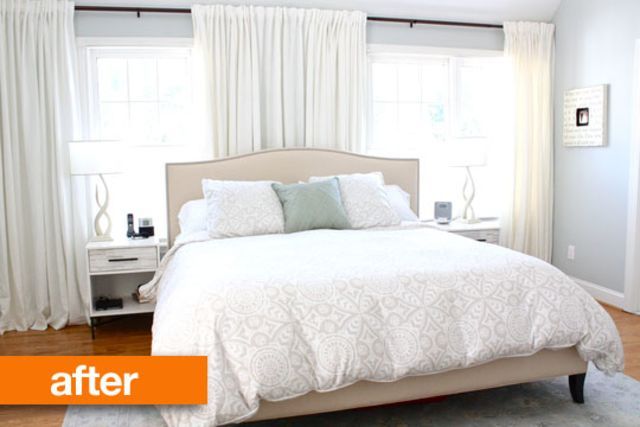


For a cohesive and balanced design, stick to a maximum of three colors in your window treatment. You can incorporate these colors through the fabric, trims, or tiebacks. Alternatively, consider using a patterned fabric that incorporates multiple colors, creating a dynamic and interesting focal point in your bedroom.
Layering for Style and Function
Layering window treatments is an effective way to create depth, dimension, and added functionality in your bedroom. By combining different treatments, you can achieve a unique, personalized look that caters to your specific needs.
For example, layering sheer curtains with heavier drapes provides both privacy and light control. The sheer curtain can be used during the day to allow light to filter through while providing a modicum of privacy. At night, the heavier drapes can be drawn to block out light and provide complete privacy. This layered approach also adds visual interest and texture to your window dressing.
Practical Considerations
When dressing a window behind a bed, it's essential to consider practical aspects that may impact your choice of treatment. Safety, functionality, and ease of use are critical factors to keep in mind.
For instance, ensure that any corded treatments, such as Roman shades or drapes, are securely fastened and out of reach of children or pets to prevent accidents. Consider using cordless or motorized window treatments for added safety and convenience.
Blackout Curtains for Better Sleep
If you're a light sleeper or live in an urban area with bright lights, consider using blackout curtains to create a dark, sleep-conducive environment. Blackout curtains are designed to block out virtually all light, ensuring a peaceful night's sleep. They are an excellent choice for bedrooms facing east or north, which may receive bright morning sunlight.
Blackout curtains come in various styles and colors, allowing you to maintain a cohesive and stylish bedroom design while enjoying the benefits of a dark, restful sleep environment. Additionally, blackout curtains can help regulate room temperature by providing an extra layer of insulation, keeping your bedroom cool in the summer and warm in the winter.
Motorized and Smart Window Treatments
For added convenience and automation, consider investing in motorized or smart window treatments. These innovative solutions allow you to control your window treatments with the touch of a button, or even schedule them to open and close at specific times throughout the day.
Motorized and smart window treatments are an excellent option for hard-to-reach windows or for those who prefer the convenience of automated controls. They can also be integrated with smart home systems, allowing you to control your window treatments along with other aspects of your home, such as lighting and temperature.
Incorporating the right window dressing behind your bed can transform your bedroom into a cozy, inviting sanctuary. By considering the window type, fabric, color, and practical aspects, you can create a personalized, functional, and stylish space that reflects your unique taste and meets your specific needs. So go ahead, experiment with different styles, and enjoy the process of creating the perfect bedroom retreat.
Related Articles

Maximize Small Spaces: How to Dress a Tiny Bedroom Window
Transforming a small bedroom window into a stylish and functional space can be a challenge, but with the right approach, you can create a window treatment that...

Bedroom Ideas: Maximize Your Space with a Bed Against the Window
Transforming your bedroom into a cozy, inviting space can be a challenge, especially when you have a window right behind your bed. But fear not, with the right...

Maximize Small Windows Behind Bed: 10 Clever Ideas
Ever felt like your bedroom lacks a certain charm, a touch of uniqueness that sets it apart? A small window behind your bed could be the perfect solution. Not...

Linen Dress Meaning: Unveiling the Story Behind This Timeless Garment
In the realm of fashion, few fabrics are as timeless and elegant as linen. One of the most iconic garments made from this material is the linen dress, a staple...
Mastering Bedroom Privacy: How to Hide a Window Behind a Bed
Ever found yourself needing a bit more privacy in your room, or perhaps you're looking to create a cozy nook for reading or working? Hiding a window behind a...
Creative Ways to Conceal Windows Behind Your Bed
Ever found yourself struggling with window privacy or light control in your bedroom, especially when your bed is positioned against the window? You're not...