Dress Your Dining Room Table for Downtime
When your dining room table isn't in use, it's essential to keep it well-maintained and protected. Not only does this ensure its longevity, but it also adds to the overall aesthetic of your dining space. Here, we'll explore how to dress your dining room table when it's not in use, focusing on both functionality and style.
Firstly, consider the purpose of your dining table. It's a central piece in your dining room, often serving as a gathering spot for meals, work, or social events. Therefore, dressing it when not in use should reflect its role and complement your room's decor.
Protecting Your Table's Surface
Your dining table's surface is its most vulnerable part. It's exposed to dust, scratches, and spills that can damage its finish. Therefore, protecting it should be your top priority.


One of the simplest ways to protect your table is by using a tablecloth or a fitted table cover. These not only protect the table's surface but also add a touch of elegance to your dining space. Choose a color or pattern that complements your room's decor.
Tablecloths: A Classic Choice
Tablecloths have been a staple in dining rooms for centuries. They come in various materials, from cotton and linen to silk and velvet. Opt for a fabric that's easy to clean and maintain, like cotton or linen, for everyday use.


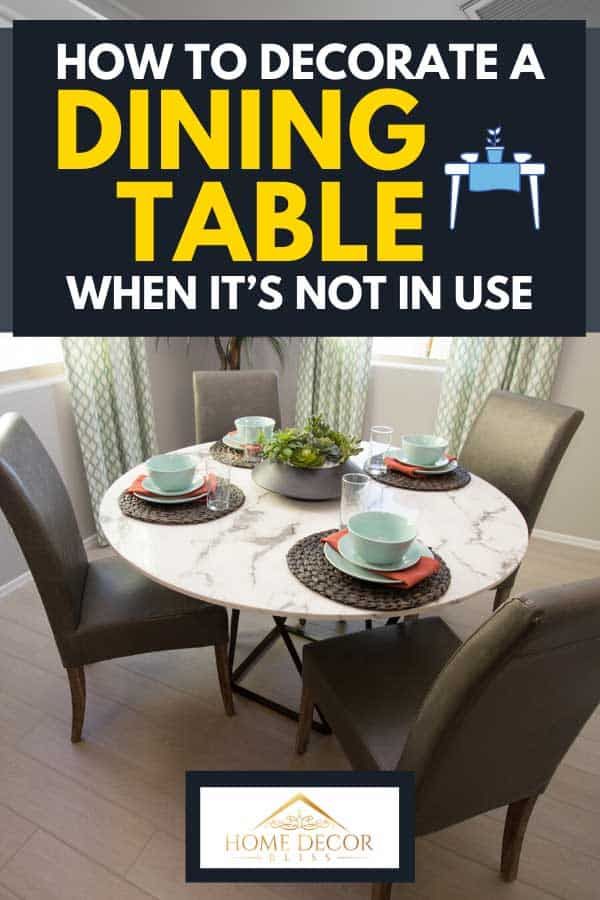
For a more formal look, consider using a silk or velvet tablecloth for special occasions. You can also layer different fabrics and textures for a unique, eclectic look.
Table Runners: A Modern Alternative
Table runners are a modern alternative to tablecloths. They cover only the center of the table, making them a great option if you want to show off your table's wood grain or if you have a smaller table.
Table runners can be made from the same materials as tablecloths. They also allow you to easily change the look of your table by switching out different runners for different occasions.


Adding Decorative Elements
Once you've protected your table's surface, it's time to add decorative elements that reflect your personal style. These can range from simple centerpieces to elaborate displays.
Remember, the goal is to create a visually appealing space that's also functional. So, choose decorative elements that don't clutter your table or make it difficult to use.
Centerpieces: The Focal Point
A centerpiece is a must-have for any dining table. It adds a focal point that draws the eye and ties the room together. The type of centerpiece you choose depends on your personal style and the occasion.


For everyday use, a simple flower arrangement or a bowl of fruit can serve as a centerpiece. For special occasions, consider a more elaborate display, like a candelabra or a collection of vases.
Table Decor: Layering for Style
Layering different decorative elements can add depth and interest to your table. Start with a table runner or a centerpiece, then layer on additional elements like candles, vases, or decorative trays.
When layering, consider the height and scale of each element. Aim for a balance of heights and sizes to create a visually appealing display. Also, don't forget to consider the color scheme. Choose colors that complement each other and your room's decor.
In a well-dressed dining room, the table is the star of the show. By protecting its surface and adding decorative elements that reflect your personal style, you can create a space that's both functional and visually appealing. So, go ahead, dress up your dining table, and let it shine!
Related Articles

Elevate Your Dining: Stunning Tray Ceiling Ideas
Transforming a plain dining room ceiling into a captivating focal point is easier than you might think. One innovative and stylish way to achieve this is by...

Wood Dining Room Table & Chairs Set of 6
Transform your dining space into a warm, inviting haven with a set of six wood dining room chairs. A well-crafted chair set not only provides comfort and...

Which Way Should Your Dining Table Face?
When setting up your dining table, one of the most common questions is: which way should it face? The answer isn't as simple as it seems, as it depends on...

Transform Your Dining Room: Stunning Canvas Wall Art Ideas
Transform your dining room into a captivating space with canvas wall art. This versatile and expressive medium allows you to create a personalized atmosphere...

Shiplap Dining Room Table Ideas
Transform your dining room into a rustic haven with the timeless charm of a shiplap dining room table. This classic design element, popularized by HGTV's Fixer...

Elevate Your Dining: Glass Table Set for 4 Near You
Elevate your dining experience with a glass dining table set for 4, a timeless choice that combines elegance and functionality. Whether you're looking to...