Mastering Landscape Art: Step-by-Step Guide to Draw Beautiful Scenery
Immerse yourself in the beauty of nature and capture its essence on paper with our step-by-step guide on how to draw a beautiful landscape. Whether you're a beginner or an experienced artist, these simple yet effective techniques will help you create stunning landscapes that reflect your unique perspective.
Drawing a beautiful landscape is not just about replicating what you see, but also about understanding the fundamentals of perspective, shading, and color. With a bit of patience and practice, you too can create captivating landscapes that evoke emotion and transport viewers to another world.
Understanding the Fundamentals of Landscape Drawing
Before you start sketching, it's crucial to understand the basic principles of landscape drawing. This will help you create a balanced and harmonious composition that captures the essence of the scene.


One of the most important aspects of landscape drawing is understanding perspective. Perspective helps create the illusion of depth and space in your drawing. By using vanishing points and converging lines, you can create a sense of distance and scale in your landscape.
Choosing the Right Materials
Selecting the right materials is essential for creating a beautiful landscape. Start with a good quality sketchbook or drawing paper, and invest in a set of drawing pencils with varying degrees of hardness. This will allow you to create a range of tones and textures in your drawing.


For shading and blending, consider using charcoal, pastels, or colored pencils. These mediums allow for smooth and gradual transitions between colors and tones. Additionally, don't forget to have a good eraser and sharpener on hand for correcting mistakes and maintaining sharp lines.
Sketching the Basic Composition
Begin by sketching the basic outline of your landscape using light, flowing lines. Don't worry about making it perfect at this stage – the goal is to capture the overall shape and layout of the scene. Use simple shapes and forms to represent trees, mountains, and other natural features.
Pay attention to the horizon line and the placement of the vanishing points. This will help you create a sense of depth and perspective in your drawing. Once you're happy with the basic composition, start refining the details and adding more intricate elements.


Building Depth and Texture in Your Landscape
Creating a sense of depth and texture is essential for bringing your landscape to life. By using shading, hatching, and cross-hatching techniques, you can create a rich and varied surface that captures the essence of the scene.
Start by identifying the light source in your landscape. This will help you determine where to place highlights and shadows, creating a sense of volume and form. Use a range of tones to create contrast and draw the viewer's eye through the scene.
Shading Techniques for Landscapes
Shading is a crucial aspect of landscape drawing, as it helps create a sense of depth and dimension. There are several shading techniques you can use to create different effects in your drawing:


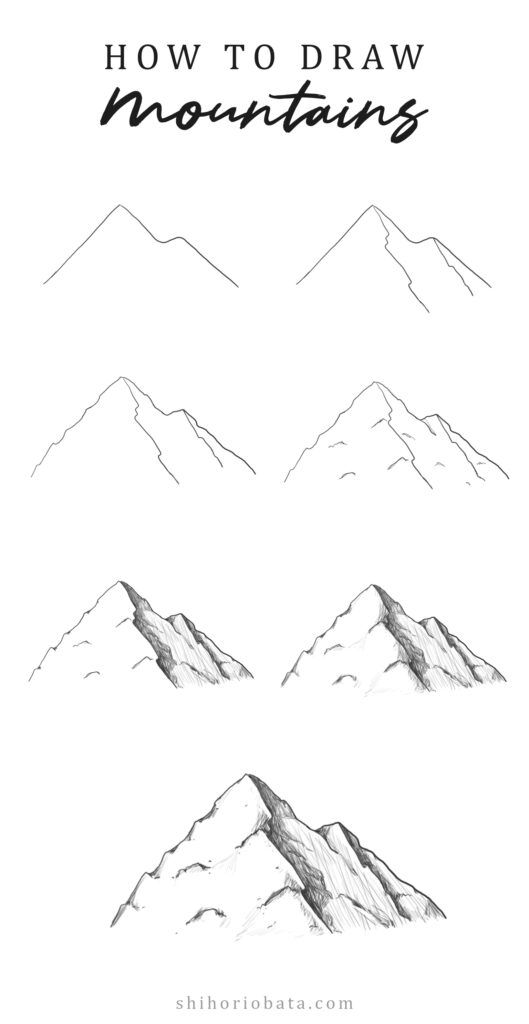


- Hatching: This involves using parallel lines to create areas of shade. Vary the spacing between lines to create different tones.
- Cross-hatching: This technique involves layering hatching lines at different angles to create darker shades. Be careful not to overwork the paper, as this can create a muddy effect.
- Scribbling: This involves using quick, random lines to create areas of shade. This technique is great for creating textured surfaces, such as tree bark or rocky outcrops.
Experiment with different shading techniques to find what works best for you. Don't be afraid to blend and layer different techniques to create unique effects.
Adding Color to Your Landscape
Once you're happy with the basic shapes and shading in your landscape, it's time to add color. Start by selecting a limited color palette, as this will help create a harmonious and cohesive composition. Consider the time of day and the overall mood you want to create in your drawing.
Begin by applying a light wash of color to the entire page, using a large, soft brush. This will create a smooth and even surface for your drawing. Once the wash has dried, start adding more detailed colors and shades, using a combination of brushes and pencils.
Refining the Details in Your Landscape
As you add more detail to your landscape, take the time to refine the individual elements and ensure they fit harmoniously within the overall composition. This may involve adjusting the size, placement, or color of certain elements to create a better balance.
Pay particular attention to the edges of objects and the transitions between different areas of the scene. This will help create a sense of depth and dimension in your drawing.
Creating a Sense of Movement
Adding a sense of movement to your landscape can make it feel more dynamic and engaging. This can be achieved through the use of leading lines, which draw the viewer's eye through the scene, or by incorporating natural elements such as flowing water or swaying trees.
Consider the overall direction of the scene and use this to guide the viewer's eye through the composition. This can be achieved through the use of converging lines, which create a sense of depth and perspective, or by incorporating diagonal lines, which create a sense of energy and movement.
Adding Finishing Touches
Once you're happy with the overall composition and detail of your landscape, it's time to add the finishing touches. This may involve adding final highlights or shadows, refining the edges of objects, or incorporating small, intricate details that bring the scene to life.
Take a step back and evaluate your drawing as a whole. Make any final adjustments that are needed to create a harmonious and balanced composition.
Drawing a beautiful landscape is a rewarding and enjoyable experience. By understanding the fundamentals of perspective, shading, and color, and taking the time to refine the details, you can create captivating scenes that evoke emotion and transport viewers to another world. So grab your sketchbook and pencils, and start exploring the beauty of nature through your art.
Related Articles

Mastering Pencil Art: Step-by-Step Guide to Draw a Stunning Garden
Immerse yourself in the serene beauty of nature with a captivating pencil drawing of a garden. With the right techniques and a bit of practice, you can...

Mastering Flower Design: A Step-by-Step Guide to Draw Beautiful Blooms
Embarking on the creative journey of drawing a beautiful flower design can be a rewarding experience. With the right techniques and a bit of practice, you can...

Mastering River Landscape Drawing: A Step-by-Step Guide
Capturing the serene beauty of a river landscape on paper can be a rewarding artistic experience. With the right techniques and a keen eye for detail, you can...

Mastering Waterfalls: Step-by-Step Drawing Guide
Cascading waterfalls are a captivating natural phenomenon that can be beautifully captured on paper. If you're eager to learn how to draw a waterfall step by...

Mastering the Art: A Step-by-Step Guide to Draw Beautiful A's
Drawing a beautiful 'A' might seem simple, but with a few tricks and a bit of practice, you can create a stunning, elegant letter that stands out. Let's...

Mastering Gardenia Drawing: Step-by-Step Guide
Immerse yourself in the enchanting world of botanical art as we guide you through drawing a gardenia, a captivating flower known for its intoxicating fragrance...