DIY Hot Tub: Build Your Own at Home
Have you ever dreamed of owning a hot tub but found the thought of purchasing one daunting due to its high cost? Building a hot tub at home might be the perfect solution. Not only is it a cost-effective option, but it's also a rewarding DIY project that allows you to customize your hot tub to your exact specifications. Let's dive into the process of building a hot tub at home.
Before we begin, it's crucial to understand that building a hot tub involves several steps, from planning and gathering materials to installation and maintenance. This guide will walk you through the entire process, ensuring you have a safe, enjoyable, and well-informed experience.
Planning and Design
Planning is the first and most critical step in building your hot tub. You'll need to decide on the size, shape, and location of your hot tub, as well as the materials you'll use. Consider your available space, budget, and personal preferences when making these decisions.


Sketch out your design or use a hot tub planning tool to visualize your project. This will help you determine the materials and equipment you'll need and provide a clear roadmap for the construction process.
Choosing the Right Location
Selecting the perfect spot for your hot tub is essential. It should be easily accessible, level, and protected from strong winds. Consider installing it near your home for convenience and safety. Additionally, ensure that the location is close to a power source and has proper drainage.


If you live in an area with a homeowners association, check the rules regarding hot tub installations. Some HOAs may have restrictions on the size, location, or design of your hot tub.
Designing Your Hot Tub
Once you've chosen the perfect location, it's time to design your hot tub. Decide on the size, shape, and depth that best suit your needs and available space. Keep in mind that larger hot tubs require more water, energy, and maintenance.
Consider incorporating features like seats, jets, and lighting to enhance your hot tub experience. You can also choose between an above-ground or in-ground hot tub, depending on your preferences and budget.


Gathering Materials and Equipment
With your design in hand, it's time to gather the necessary materials and equipment. The list may vary depending on your chosen design, but here are some essential components:
1. Hot tub shell: This is the main structure of your hot tub and can be made from various materials such as acrylic, vinyl, or wood. Choose a durable and low-maintenance option that fits your budget.
2. Plumbing and electrical components: You'll need pumps, filters, heaters, and electrical wiring to make your hot tub functional. Ensure all components are compatible with your hot tub shell and follow local building codes.


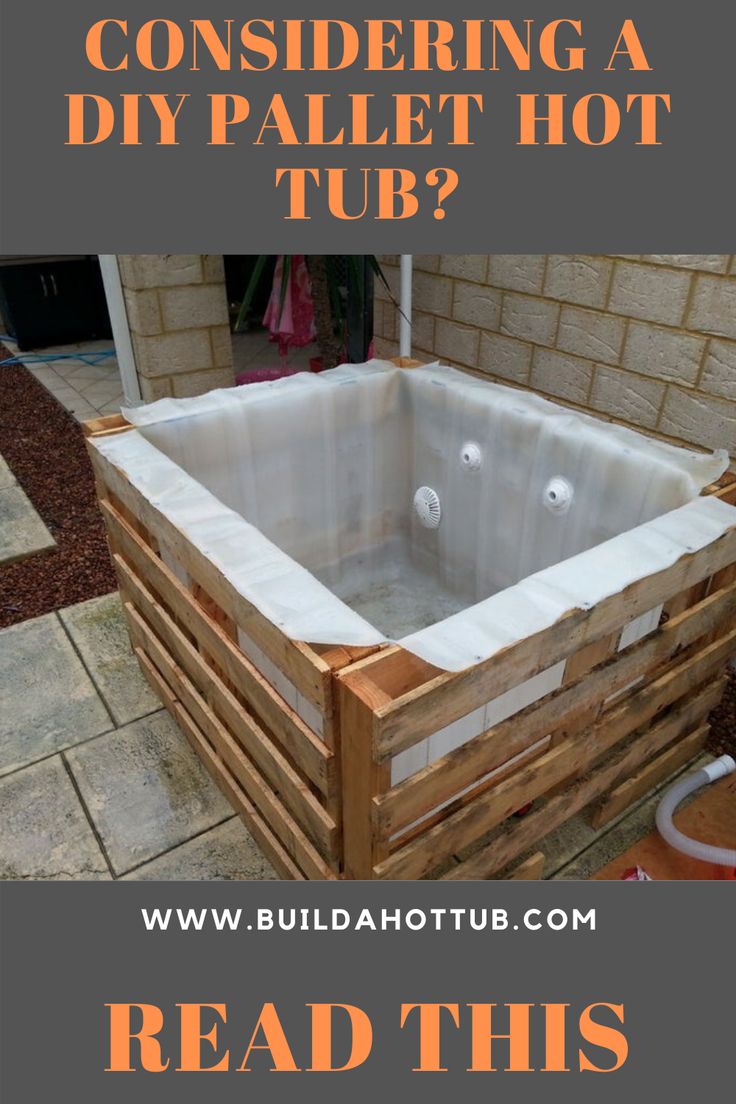


3. Insulation: Insulating your hot tub helps maintain water temperature and reduces energy consumption. Foam insulation is a popular choice for its affordability and effectiveness.
4. Cover: A hot tub cover protects your water from debris and helps maintain heat and chemical balance. Choose a durable, well-fitting cover that's easy to remove and replace.
Purchasing Materials and Equipment
Shop around for the best prices on materials and equipment. Consider buying used or reconditioned components to save money. Always prioritize quality and safety when making purchases.
Don't forget to factor in additional costs such as tools, hardware, and any necessary permits. It's better to be over-prepared than to run into unexpected expenses during the construction process.
Gathering Tools
Having the right tools on hand will make your hot tub building project run more smoothly. Some essential tools include:
- Tape measure
- Circular saw
- Drill and driver set
- Level
- Safety glasses
- Work gloves
- Hammer
- Screwdriver set
- Caulk gun
- Plumbing and electrical tools
Building Your Hot Tub
Now that you've planned, designed, and gathered all the necessary materials and equipment, it's time to start building your hot tub. Follow these steps for a successful construction process:
Preparing the Site
Before you begin, prepare the site by clearing the area of debris and leveling the ground. If necessary, pour a concrete slab or use a base material like gravel to create a stable foundation for your hot tub.
Ensure the site is easily accessible for delivering and installing the hot tub shell and other heavy components. Check local building codes and obtain any necessary permits before proceeding.
Installing the Hot Tub Shell
Carefully position the hot tub shell in its final location, ensuring it's level and square. Follow the manufacturer's instructions for installing and securing the shell to the foundation. Once the shell is in place, you can begin installing the plumbing and electrical components.
Start by running the electrical wiring and connecting it to the control panel. Next, install the plumbing components, including pumps, filters, and heaters. Ensure all connections are tight and secure to prevent leaks and ensure proper functionality.
Insulating the Hot Tub
Insulating your hot tub is crucial for maintaining water temperature and reducing energy consumption. Apply foam insulation to the exterior of the hot tub shell, following the manufacturer's instructions. Ensure the insulation is thick enough to provide adequate protection but not so thick that it interferes with the hot tub's operation.
After applying the insulation, cover it with a protective barrier to prevent moisture and debris from penetrating. This will help extend the life of the insulation and maintain its effectiveness.
Installing the Hot Tub Cover
Once the insulation is in place, install the hot tub cover. Ensure it fits snugly and is easy to remove and replace. A well-fitting cover helps maintain water temperature, prevents evaporation, and keeps debris out of the hot tub.
Consider adding a cover lifter to make removing and replacing the cover easier. This will also help extend the life of the cover by reducing wear and tear.
Testing and Maintenance
With the construction of your hot tub complete, it's time to test it out and ensure everything is working correctly. Fill the hot tub with water and turn on the electrical components. Allow the water to heat up and check for any leaks or issues with the plumbing or electrical systems.
Once you've confirmed that everything is functioning properly, it's time to start enjoying your new hot tub. Regular maintenance is essential to keep your hot tub in good working order and ensure a safe and enjoyable experience. This includes testing and balancing the water chemistry, cleaning the filters, and checking for any signs of wear or damage.
Testing and Balancing Water Chemistry
Regularly test the pH, alkalinity, and sanitizer levels in your hot tub water. Maintaining proper water chemistry is crucial for preventing algae growth, scaling, and corrosion. Follow the manufacturer's guidelines for testing and balancing the water chemistry, and use high-quality chemicals to ensure the best results.
Drain and refill the hot tub every 3-4 months to remove built-up contaminants and maintain water quality. Always follow the manufacturer's guidelines for draining, cleaning, and refilling your hot tub.
Cleaning and Maintaining Filters
Hot tub filters should be cleaned or replaced every 1-3 months, depending on usage and water quality. Regular filter maintenance helps maintain water clarity and prevents the buildup of contaminants that can damage the hot tub's plumbing and electrical systems.
Rinse filters with clean water to remove debris, and soak them in a filter cleaner solution to remove oils and other contaminants. Always follow the manufacturer's guidelines for cleaning and maintaining filters, and replace them as needed.
Building a hot tub at home is a rewarding and cost-effective way to enjoy the benefits of hot tubbing in the comfort of your own backyard. By following this comprehensive guide, you'll be well on your way to creating a safe, enjoyable, and long-lasting hot tub oasis. So go ahead, grab your tools, and start building the hot tub of your dreams!
Related Articles

Home Hobby Ideas: Inspiring Ways to Enjoy Your Free Time
Transforming your home into a sanctuary of creativity and relaxation can be an incredibly rewarding experience. Hobbies not only provide a creative outlet but...

Boho Interior Design: 20 Inspiring Ideas for Your Home
Embrace the carefree spirit of the bohemian lifestyle with boho interior design inspiration. This eclectic and vibrant style celebrates individuality...

Toca Boca Luxury House Ideas: Inspiring Designs for Your Dream Home
Nestled in the heart of luxury real estate, Toca Boca homes stand out as a testament to opulence and sophistication. These architectural masterpieces are not...

Best Color Shiplap: Top Picks for Your Home
In the realm of interior design, one trend has consistently captivated homeowners and professionals alike: shiplap. But it's not just about the classic wooden...

How to Build a Basketball Court in Your Garden
Transforming a basketball court into a thriving garden might seem like a daunting task, but with the right planning and execution, it's entirely possible. This...

Mastering Deck Clash: Build Your Own Strategy
Building your own deck in Clash Royale is an exciting and rewarding experience. It allows you to express your strategic creativity and adapt your deck to your...