Jigsaw Puzzles: A Fun Way to Boost Your Child's Development
Jigsaw puzzles have long been a beloved pastime for people of all ages, but their benefits extend far beyond mere entertainment. For children, engaging with jigsaw puzzles can significantly contribute to their cognitive, social, and emotional development. Let's delve into the fascinating world of jigsaw puzzles and explore how they help children grow and learn.
Jigsaw puzzles offer a unique blend of challenge and fun that captivates children and encourages them to keep learning. They are not just passive activities; they require active engagement, problem-solving skills, and patience, all of which are crucial for a child's holistic development.
Cognitive Development
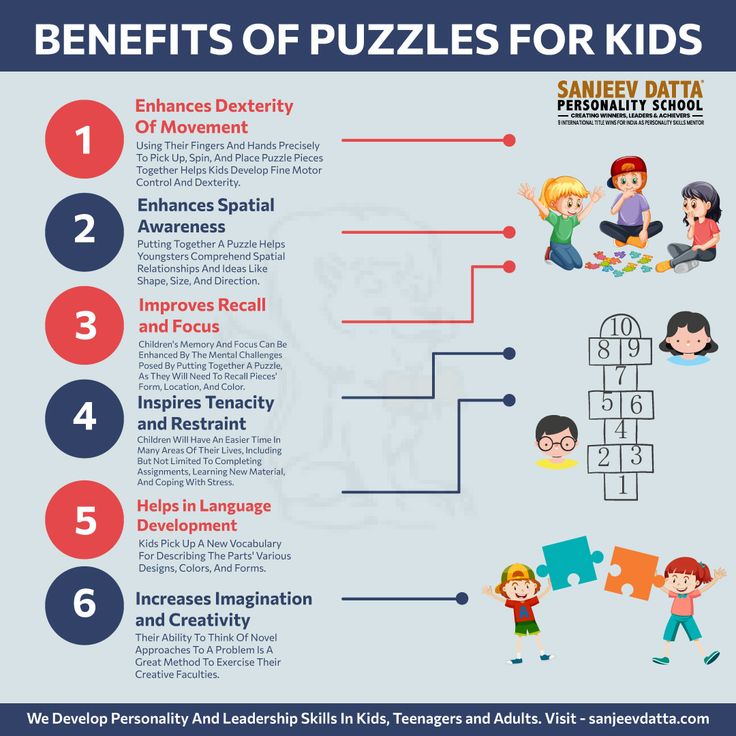
One of the most significant ways jigsaw puzzles benefit children is by stimulating their cognitive growth. Puzzles help children develop critical thinking and problem-solving skills as they figure out how each piece fits into the larger picture.


Moreover, puzzles enhance spatial awareness and visual-perceptual skills. As children manipulate the pieces, they improve their hand-eye coordination and fine motor skills. The process of visualizing the completed image and translating that into a physical form also strengthens their spatial reasoning abilities.
Logical Reasoning
Jigsaw puzzles require children to use logical reasoning to determine where each piece goes. They must consider the shape, color, and pattern of each piece and how it relates to the others. This process helps children develop and refine their logical thinking skills, which are essential for academic success and everyday problem-solving.


As puzzles become more complex, children learn to break down larger problems into smaller, manageable parts. This skill, known as decomposition, is a crucial component of problem-solving and is applicable to various aspects of life.
Pattern Recognition
Puzzles expose children to various patterns and shapes, helping them develop an understanding of these concepts. Recognizing and replicating patterns is a fundamental skill that underpins many areas of learning, including mathematics, reading, and writing.
As children work on puzzles, they learn to identify and replicate patterns, such as edges, corners, and specific colors or shapes. This skill helps them make connections between different pieces and speeds up the puzzle-solving process, boosting their confidence and sense of accomplishment.


Social and Emotional Development
While jigsaw puzzles primarily target cognitive skills, they also foster social and emotional growth. Working on puzzles can be a social activity, encouraging children to collaborate, share, and learn from one another.
Puzzles also help children develop resilience and perseverance. Completing a puzzle requires patience and determination, as children may encounter challenges and setbacks. Overcoming these obstacles teaches children the value of persistence and helps them develop a growth mindset.
Cooperation and Communication
Working on puzzles with others, such as siblings, friends, or family members, fosters cooperation and teamwork. Children learn to share pieces, discuss strategies, and compromise, all of which are vital social skills.


Puzzles also encourage communication as children express their thoughts, ideas, and observations. They learn to articulate their needs and listen to others, honing their language and listening skills in a fun and engaging way.
Self-Esteem and Achievement
Completing a jigsaw puzzle, especially a challenging one, gives children a sense of accomplishment and boosts their self-esteem. They learn to set and achieve goals, which is a crucial life skill that translates to other areas of their lives.
Puzzles also provide a safe space for children to experience success and failure. When they encounter a difficult piece or make a mistake, they learn to adapt, problem-solve, and keep trying. This process helps them develop emotional resilience and a positive self-image.
Incorporating jigsaw puzzles into a child's routine can have a profound impact on their development. Whether they're working on puzzles independently or with others, they're gaining valuable skills and experiences that will serve them well throughout their lives. So, why not dust off that puzzle box and let the learning and fun begin?
Related Articles

Boost Your Child's Development: Top Benefits of Building Block Toys
Building blocks toys have been a staple in children's playrooms for generations, and for good reason. These simple, yet versatile toys offer a multitude of...

DIY Jigsaw Puzzles: How to Make Your Own
Ever found yourself captivated by the intricate designs and challenging layouts of jigsaw puzzles, wishing you could create your own? Well, you're in luck!...

Organize Your Puzzles: DIY Jigsaw Puzzle Board with Drawers
Are you tired of losing puzzle pieces or struggling with a cluttered workspace while enjoying your favorite jigsaw puzzles? It's time to elevate your puzzling...

Transform Your Child's Space: Magical Children's Room Murals
Transforming a child's room into a magical, engaging space is every parent's dream. One of the most captivating ways to achieve this is by adding children's...

Adult Art Jigsaw Puzzles: Unleash Your Inner Picasso
Embarking on a journey to unravel the intricacies of art jigsaw puzzles for adults? You're in for a treat! These aren't your average childhood pastimes...

Boost Garden Growth: Top Plants to Enhance Your Soil
Transforming your garden into a lush, thriving oasis is an exciting endeavor. With the right elements, you can create a space that not only looks beautiful but...