Herringbone Floor Tile Ideas: 15 Stunning Designs
Herringbone floor tile patterns have been a timeless classic in interior design, adding a touch of elegance and sophistication to any space. This versatile design, characterized by its V-shaped layout, can transform your floors into a stunning focal point. Let's delve into the world of herringbone floor tile ideas, exploring their history, variations, and how you can incorporate them into your home.
Herringbone patterns date back to ancient Roman times, where they were used to create intricate mosaics. The name 'herringbone' comes from the similarity of the pattern to the bones of a herring fish. Over centuries, this design has evolved and been adapted for various surfaces, including floors, walls, and even fabrics. Today, herringbone floor tiles are a popular choice among homeowners and designers alike, offering a perfect blend of classic charm and modern appeal.
Herringbone Floor Tile Patterns
Herringbone patterns come in various layouts, each offering a unique aesthetic. Understanding these patterns can help you choose the perfect one for your space.


The classic herringbone pattern features a 45-degree angle, creating a symmetrical, V-shaped layout. This design is perfect for creating a traditional, formal look. On the other hand, a 90-degree herringbone pattern creates a more contemporary, geometric look. This layout is achieved by placing tiles at a 90-degree angle to each other, resulting in a bold, linear design.
Classic Herringbone Pattern
The classic herringbone pattern is a tried-and-true choice that exudes timeless elegance. This design works well in traditional and transitional style homes, adding a touch of sophistication to your floors. To create a cohesive look, consider using the same tile material and color throughout the space.


For a unique twist, try incorporating different tile shapes or sizes into your classic herringbone pattern. For instance, using a mix of rectangular and square tiles can create a dynamic, textured look. Alternatively, using larger tiles can create a more spacious feel in smaller rooms.
90-Degree Herringbone Pattern
The 90-degree herringbone pattern is a modern take on the classic design, offering a clean, geometric look. This pattern is perfect for contemporary and industrial style homes, adding a touch of boldness to your floors. To emphasize the linear effect, consider using long, narrow tiles.
For a striking contrast, try using a combination of light and dark tiles in your 90-degree herringbone pattern. This technique, known as 'shadow herringbone,' creates a dramatic, eye-catching effect. Alternatively, using tiles in different materials, such as wood and stone, can create a unique, textured look.


Herringbone Floor Tile Materials
Herringbone floor tile patterns can be created using a variety of materials, each offering a unique look and feel. Choosing the right material depends on your personal style, the room's function, and your budget.
Ceramic and porcelain tiles are popular choices for herringbone patterns. They are durable, easy to maintain, and come in a wide range of colors and styles. For a more natural look, consider using wood or stone tiles. These materials offer a warm, inviting feel but require more maintenance than ceramic or porcelain tiles.
Ceramic and Porcelain Tiles
Ceramic and porcelain tiles are a practical choice for herringbone floor patterns. They are highly durable, resistant to moisture and stains, and require minimal maintenance. Plus, they come in a wide range of colors, patterns, and textures, making it easy to find the perfect match for your space.


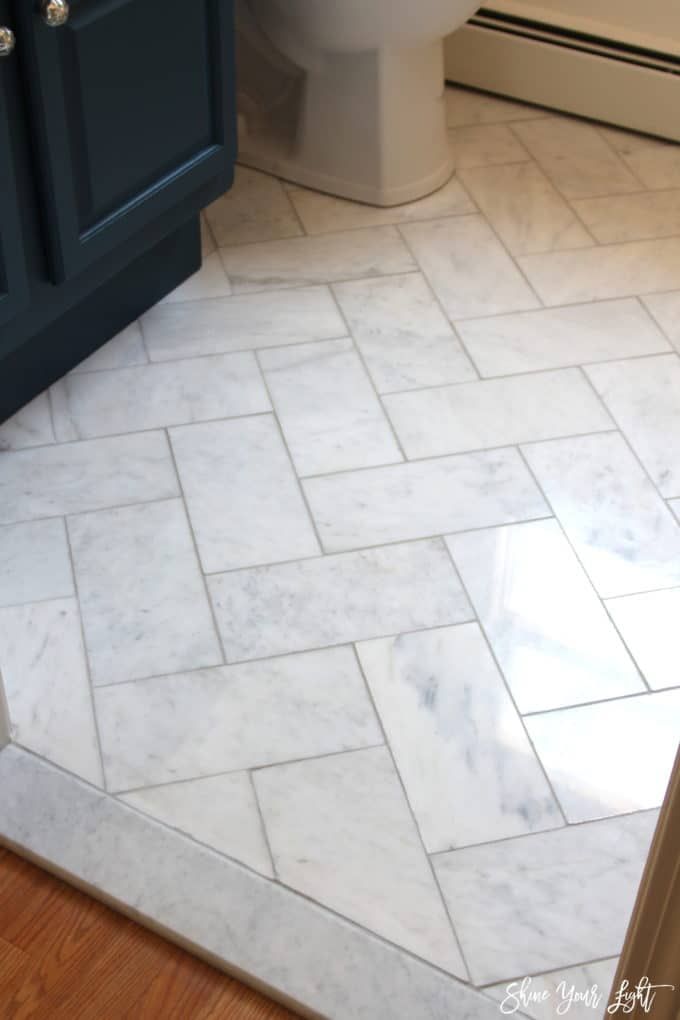


For a classic look, opt for traditional ceramic or porcelain tiles in a neutral color. For a more contemporary feel, consider using large format tiles or tiles with a textured surface. You can also create a unique, custom look by using a combination of different tile sizes, shapes, or colors.
Wood and Stone Tiles
Wood and stone tiles offer a warm, natural look that can add a touch of rustic charm to your floors. These materials are perfect for creating a herringbone pattern in spaces like kitchens, bathrooms, or outdoor patios.
Wood tiles are available in a variety of species, finishes, and textures, allowing you to create a unique, custom look. Stone tiles, such as travertine or marble, offer a luxurious, high-end feel. Keep in mind that wood and stone tiles require more maintenance than ceramic or porcelain tiles, including regular sealing and cleaning.
When it comes to herringbone floor tile ideas, the possibilities are endless. From classic to contemporary, and from ceramic to stone, there's a herringbone pattern that's perfect for your space. So, go ahead and explore the world of herringbone floor tiles, and let your creativity guide you to the perfect floors for your home.
Related Articles

Ceramic Tile Designs: Inspiring Ideas for Your Space
Ceramic tile designs have evolved significantly over the years, transforming from simple, functional pieces to stunning works of art that adorn our homes and...

Teal Acrylic Nail Designs: Creative Ideas for Stunning Tips
Elevate your nail art game with the stunning and versatile teal acrylic nail designs. This captivating color, a blend of blue and green, is not only trendy but...

Garage Floor Tile Designs
Transforming your garage from a cluttered storage space into a functional and stylish area starts with the right flooring. Garage floor tile designs offer a...

Pinterest-Worthy Bathroom Tile Floor Ideas
Discovering the perfect bathroom tile floor involves balancing aesthetics, functionality, and durability. Pinterest, a visual bookmarking platform, is an...

Metal Front Porch Railing Ideas: 15 Stunning Designs for Your Home
Transform your home's curb appeal with stylish and durable metal front porch railing ideas. Whether you're aiming for a classic, modern, or rustic look, metal...

Sweet 16 Head Table Ideas: Stunning Designs for Your Special Day
Planning a Sweet 16 party is an exciting milestone for both the teenager and their family. One of the most anticipated aspects of this celebration is the head...