Hallway Accent Wall Colors: Bold Ideas for Stunning Spaces
Transforming a simple hallway into a captivating space is easier than you think. One of the most impactful ways to achieve this is by adding an accent wall, which can completely change the dynamics of your hallway. But where do you start? The color of your accent wall is a crucial decision that sets the tone for your entire space. Let's delve into the world of hallway accent wall colors and explore the best options to suit your style and create a stunning first impression.
Before we dive into the colors, it's essential to understand the role of an accent wall. An accent wall is a single wall in a room that is different from the others, either in color or texture. It's a design technique that adds depth, dimension, and visual interest to a space. In a hallway, an accent wall can make the space feel more inviting, add a pop of color, or create a striking contrast that draws the eye in.
Understanding Color Psychology
Color psychology plays a significant role in our perception of spaces. Different colors evoke different emotions and can influence our moods. When choosing a hallway accent wall color, it's crucial to consider the atmosphere you want to create. For instance, warm colors like red, orange, and yellow can stimulate appetite and increase heart rate, making them excellent choices for social spaces. On the other hand, cool colors such as blue, green, and purple can have a calming effect, making them ideal for bedrooms and relaxation areas.


However, in a hallway, you might want to strike a balance between creating a welcoming atmosphere and ensuring the space doesn't feel overwhelming. Neutral colors can be a safe bet, as they create a sense of harmony and balance. But don't shy away from bold colors if that's what speaks to you. A hallway is a perfect place to experiment with color, as it's a transitional space that doesn't demand as much time as, say, a living room or bedroom.
Neutral Tones: The Safe and Stylish Choice
Neutral colors are a timeless choice for accent walls. They create a sense of harmony and balance, making them an excellent backdrop for artwork, furniture, and decor. Neutrals include shades of white, gray, beige, and brown. When choosing a neutral color, consider the lighting in your hallway. Lighter colors can make a space feel brighter and more spacious, while darker shades can create a cozy, intimate atmosphere.


For a modern, minimalist look, consider a deep, moody gray. This color can add depth and drama to your hallway while maintaining a sense of sophistication. Alternatively, a soft, warm beige can create a welcoming, inviting atmosphere. If you're looking to add a touch of luxury, consider a rich, chocolate brown. This color can add warmth and depth to your hallway while creating a sense of opulence.
Bold and Beautiful: Making a Statement with Color
If you're not afraid to make a statement, consider a bold color for your hallway accent wall. Bold colors can add a pop of personality to your space and create a striking first impression. When choosing a bold color, consider the overall color scheme of your home. A bold color should complement, not clash, with the other colors in your space.
For a vibrant, energetic feel, consider a bright yellow or orange. These colors can add a touch of sunshine to your hallway and create a lively atmosphere. If you're looking to create a sense of drama, consider a deep, rich purple or navy blue. These colors can add depth and dimension to your space while creating a sense of luxury and sophistication. For a bold yet calming effect, consider a deep, moody green. This color can add a touch of nature to your space while creating a sense of tranquility and harmony.


Color Combinations and Contrast
When choosing a color for your accent wall, consider the other colors in your space. A hallway is a transitional space, so it's essential to consider how the color of your accent wall will flow with the rest of your home. One way to create a sense of harmony is to use a color that is adjacent to the other colors on the color wheel. This creates a sense of balance and continuity in your space.
Another way to create a striking look is to use high contrast. High contrast involves using colors that are opposite each other on the color wheel. This can create a dramatic, eye-catching look that draws the eye in. However, be careful not to use too much contrast, as this can make the space feel overwhelming. Instead, balance the high contrast with neutral elements to create a sense of harmony and balance.
Complementary Colors: Creating Harmony and Balance
Complementary colors are colors that are opposite each other on the color wheel. When used together, they can create a sense of harmony and balance. For instance, blue and orange are complementary colors. Using a deep, moody blue for your accent wall and incorporating orange accents through decor and furniture can create a striking, balanced look.


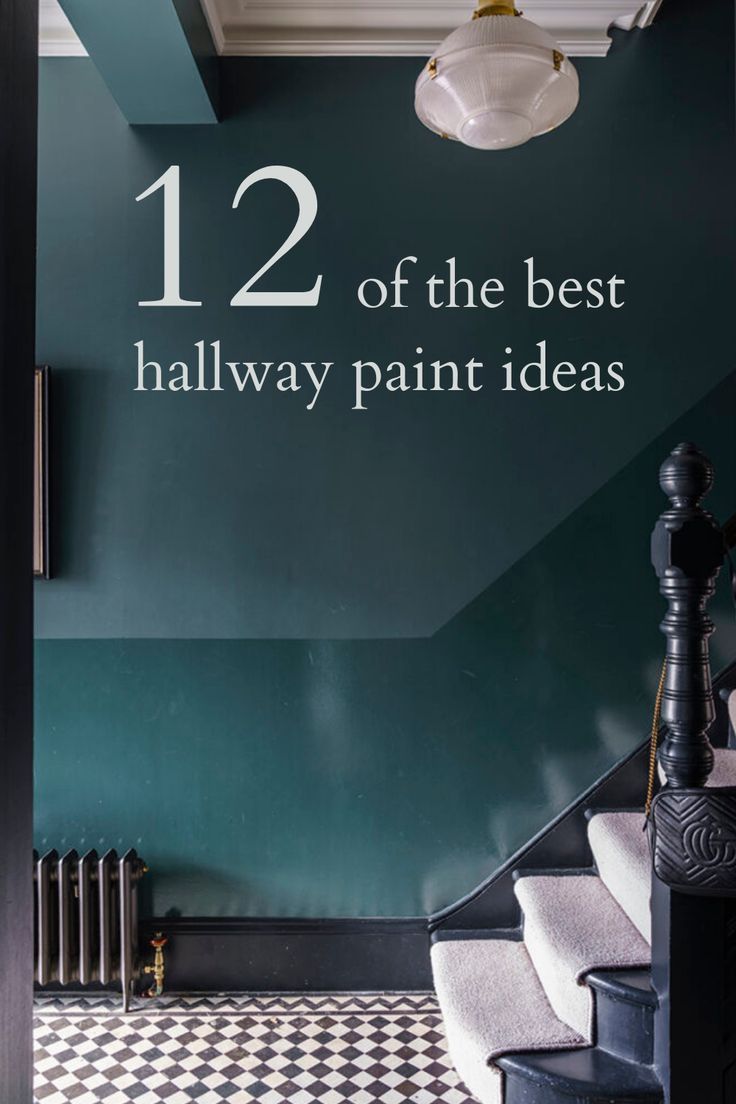


Another complementary color combination is green and red. A deep, emerald green accent wall can create a sense of luxury and sophistication, while incorporating red accents through decor and furniture can add a touch of energy and vibrancy. However, be careful not to use too much red, as it can overwhelm the space.
Monochromatic Magic: The Power of Shades
Monochromatic color schemes involve using different shades, tints, and tones of a single color. This can create a sense of harmony and balance in your space while adding depth and dimension. For instance, using different shades of blue for your accent wall and decor can create a calming, cohesive look. Consider using a deep, navy blue for your accent wall and incorporating lighter shades of blue through decor and furniture.
Another monochromatic option is to use different shades of gray. This can create a modern, sophisticated look that is both stylish and timeless. Consider using a deep, moody gray for your accent wall and incorporating lighter shades of gray through decor and furniture. This can create a sense of harmony and balance while adding depth and dimension to your space.
In the end, the best hallway accent wall color is one that speaks to you and reflects your personal style. Don't be afraid to experiment with color and have fun with the design process. After all, your hallway is a canvas for self-expression, and an accent wall is the perfect way to make a statement. So go ahead, let your creativity shine, and create a hallway that is not just functional, but also a reflection of your unique personality.
Related Articles

Maximize Small Spaces: 15 Narrow Hallway Wall Decor Ideas
Narrow hallways often pose a challenge when it comes to decorating, but with the right ideas, they can be transformed into inviting and visually appealing...

Small Hallway Accent Wall Ideas
Transforming a small hallway into a stylish and inviting space can be a challenge, but one clever solution is to create an accent wall. This design element can...

Maximize Small Spaces: Wall Ideas for Narrow Hallways
Transforming a narrow hallway into a welcoming and functional space can be a challenge, but with the right approach, it can become an inviting entrance to your...

Transform Your Space: Stunning Painted Mural Accent Wall Ideas
Transform your space into a vibrant masterpiece with a painted mural accent wall. This striking design element can completely alter the ambiance of a room...

Shiplap Accent Wall Ideas: 10 Stunning Ways to Update Your Space
In the realm of interior design, the humble shiplap accent wall has emerged as a standout feature, adding a touch of rustic charm and visual interest to...
End of Hallway Wall Ideas: What to Put There
Standing at the end of a hallway, a blank wall can feel like a missed opportunity. It's not just a dividing space; it's a canvas waiting for your personal...