French Christmas Buche de Noel Recipe
The festive season in France is incomplete without the delightful Bûche de Noël, a traditional Christmas cake that translates to 'Yule Log'. This decadent dessert is a symbol of abundance and prosperity, a centerpiece on the French Christmas table that brings families and friends together. Let's delve into the enchanting world of this iconic French Christmas cake.
Bûche de Noël, with its log-like shape and rustic charm, is more than just a cake; it's a storybook of French culinary history. Its origins date back to the Middle Ages when a large log, known as the Yule log, was burned in the fireplace to celebrate the winter solstice. Over time, the tradition evolved into a cake shaped like the Yule log, symbolizing warmth, light, and the promise of a new year.
The Art of Bûche de Noël
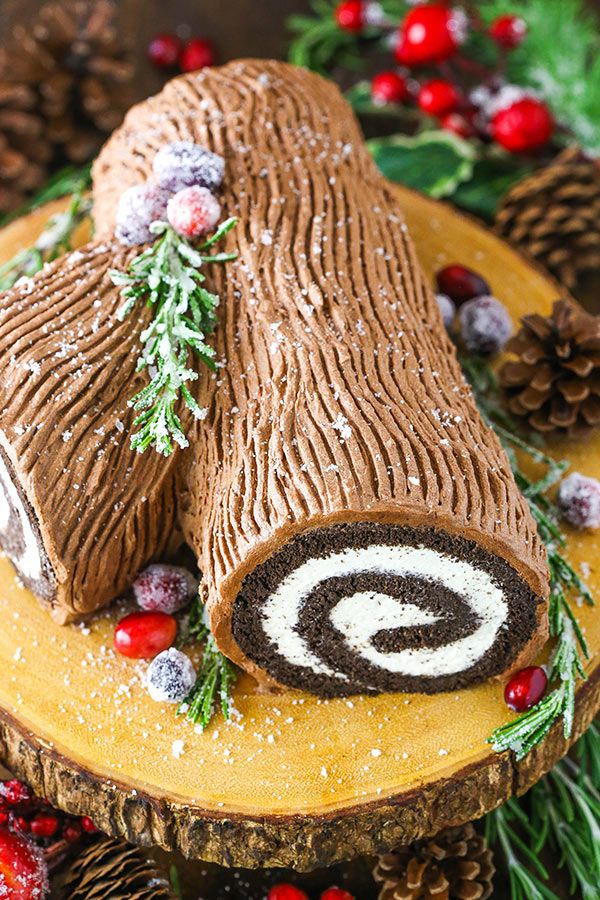
Creating a Bûche de Noël is an art form that requires skill, patience, and creativity. The cake is typically made from a sponge cake, filled with cream or buttercream, and decorated to resemble a log. The most common flavors include chocolate, coffee, and almond, but the possibilities are endless, with variations like pistachio, raspberry, or even savory options like foie gras.


One of the most fascinating aspects of Bûche de Noël is the variety of decorations. Some bakers create intricate patterns using piped buttercream, while others use marzipan to craft tiny mushrooms, holly leaves, or even miniature Santas. Edible gold or silver paint adds a touch of opulence, making each Bûche de Noël a unique masterpiece.
Traditional Recipes
Every French family has its own recipe for Bûche de Noël, passed down through generations. The traditional recipe involves a genoise sponge cake, filled with a light cream or buttercream, and rolled into a log shape. The cake is then decorated to resemble a log, with piped buttercream creating the bark pattern.


One popular variation is the Bûche de Noël aux Marrons, featuring a chestnut cream filling. This rich, velvety cream is made from cooked and pureed chestnuts, sweetened and flavored with vanilla and rum. Another classic is the Bûche de Noël au Chocolat, a chocolate sponge cake filled with a decadent chocolate buttercream, a true delight for chocolate lovers.
Modern Interpretations
While traditional Bûche de Noël recipes are cherished, modern French pastry chefs are pushing the boundaries with innovative interpretations. Some create towering, multi-layered cakes, while others experiment with unusual flavors and textures. For instance, the Bûche de Noël aux Agrumes combines sponge cake infused with citrus flavors, filled with a tangy lemon cream, and decorated with candied zest.
Savory Bûche de Noël is another trend gaining traction. Chefs are creating log-shaped cakes filled with foie gras, smoked salmon, or even truffles. These culinary masterpieces are a testament to the versatility of this iconic French dessert.


The Bûche de Noël Ritual
In France, the Bûche de Noël is not just a dessert; it's a ritual. On Christmas Eve, families gather around the table, and the Bûche de Noël is brought in with great fanfare. The cake is traditionally set alight, symbolizing the burning of the Yule log, before being served. This fiery spectacle is a dramatic finale to the Christmas meal, creating a magical atmosphere that brings families closer.
After the meal, it's customary to keep a small piece of the Bûche de Noël until New Year's Eve. This piece is then burned in the fireplace, along with other symbolic objects, to bring good luck and prosperity in the new year. This tradition, known as 'La Galette des Rois', is a beautiful blend of culinary tradition and ancient superstition.
As the clock strikes midnight on New Year's Eve, the Bûche de Noël tradition comes full circle. The burning of the Yule log cake symbolizes the end of the old year and the beginning of a new one, filled with hope, warmth, and the promise of another year of shared feasts and joyous celebrations. So, why not bring a touch of French Christmas magic to your own table with a Bûche de Noël? Happy holidays!




Related Articles

Bush's Noel Christmas Cake Recipe
Indulge in the spirit of Christmas with a slice of Bush Noel's traditional Christmas cake, a delightful treat that's been a staple in Australian homes for...
Christmas Cake Noel
As the festive season approaches, the aroma of spices and fruits begins to fill the air, signaling the time-honored tradition of baking the Christmas cake, or...

Mille Crepe Cake: The Ultimate French Delight
Indulge in the delightful world of French desserts with the Mille Crêpe, a towering masterpiece that's taken the culinary scene by storm. This stunning cake...

Nutella Christmas Tree Recipe: Puff Pastry Stunner
Spread holiday cheer this year with a delightful and indulgent Nutella Christmas Tree recipe that's sure to become a festive favorite. This delightful treat...

Magnolia Bakery's Hummingbird Cake Recipe
Nestled in the heart of New York City, Magnolia Bakery has been a beloved institution since its inception in 1996. Known for its delightful array of baked...

German Chocolate Cake Mix Cookies Recipe: Pillsbury's Easy Treat
Indulge in the perfect blend of convenience and decadence with our German Chocolate Cake Mix Cookies recipe, courtesy of Pillsbury. This delightful twist on a...