Do All Backyards Have Fleas?
Do all backyards have fleas? The short answer is no, not all backyards have fleas. However, it's a common misconception that fleas are ubiquitous in outdoor spaces. While fleas can indeed be found in many backyards, their presence depends on several factors. Let's delve into the world of fleas to understand why they might or might not be present in your backyard.
Fleas are tiny, wingless insects that feed on the blood of warm-blooded animals. They are external parasites, meaning they live on their hosts rather than inside them. Fleas are most commonly associated with pets, but they can also infest wildlife and even humans. So, what determines whether fleas will make your backyard their home?
Factors Affecting Flea Presence in Backyards
The presence of fleas in a backyard is influenced by several factors. Understanding these can help you determine the likelihood of fleas in your outdoor space.


Fleas thrive in warm, humid environments. They prefer temperatures between 70°F and 90°F, and humidity levels between 70% and 85%. Therefore, fleas are more common in warmer, more humid regions. However, they can survive in colder climates by overwintering in protected areas like animal burrows or inside homes.
Wildlife and Pets
Fleas are often introduced into backyards by wildlife or pets. Squirrels, raccoons, opossums, and other wild animals can carry fleas into your yard. Similarly, if you have pets, especially dogs and cats, they can bring fleas into your backyard from their walks or outdoor playtime.


Fleas can also be carried into your yard by other animals, such as birds or rodents. Once fleas are introduced, they can multiply quickly, especially in favorable conditions. A single female flea can lay up to 50 eggs per day, and flea eggs can hatch in as little as two days.
Vegetation and Debris
Fleas prefer to live in protected areas with abundant food sources. Tall grass, shrubs, and other dense vegetation can provide fleas with shelter and easy access to hosts. Debris like leaf litter, woodpiles, and abandoned animal nests can also harbor fleas and their eggs.
Fleas can jump great distances relative to their size, up to 150 times their own body length. This means they can easily move from one area of your yard to another, or even into your home if given the chance. Keeping your yard well-maintained can help deter fleas, as they prefer areas with plenty of cover and moisture.


Flea Life Cycle and Habits
Understanding the flea life cycle and habits can help you identify and manage flea infestations in your backyard.
The flea life cycle consists of four stages: egg, larva, pupa, and adult. Flea eggs are tiny, white, and oval-shaped. They are laid on the host animal but often fall off into the environment, where they hatch into larvae. Flea larvae are small, worm-like creatures that feed on organic debris, including dried blood from their host. They then spin cocoons and transform into pupae, where they remain until they emerge as adult fleas.
Flea Lifecycle and Seasonality
The flea life cycle can take anywhere from two weeks to several months, depending on environmental conditions. Fleas are most active during the warmer months, with peak activity occurring in late spring and summer. However, fleas can survive year-round in warmer climates or inside homes.


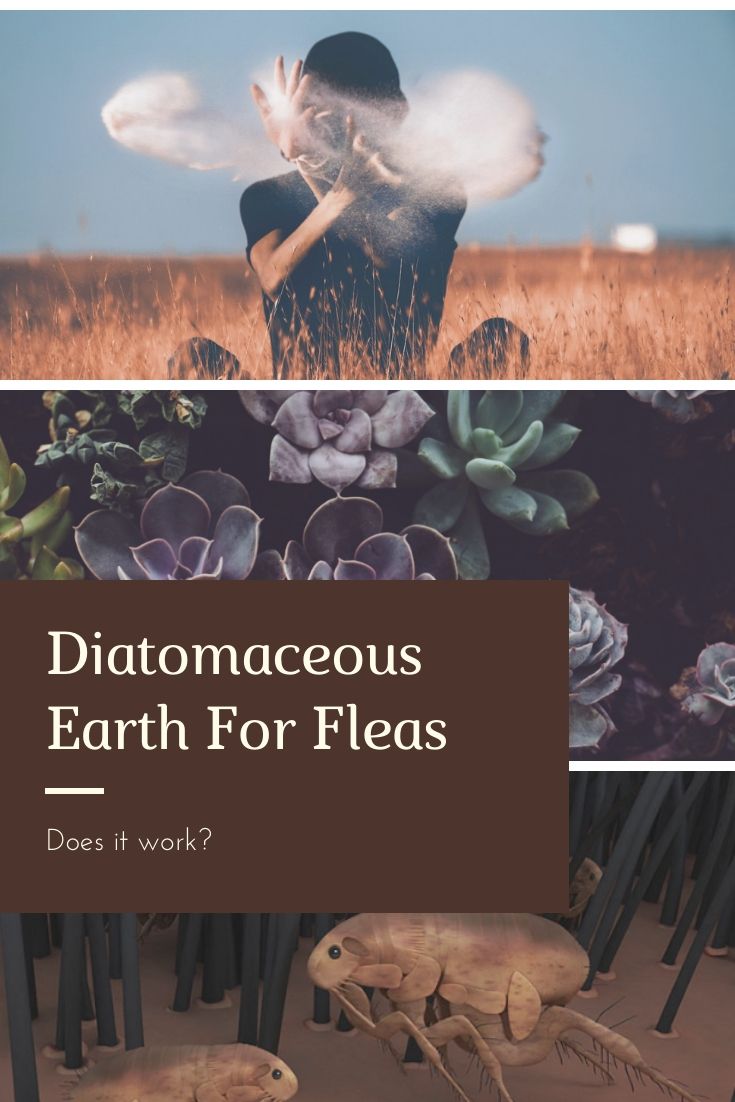


Flea infestations can be difficult to control because of their life cycle and habits. Adult fleas make up only a small percentage of the total flea population in an infested area. The majority of fleas are in the egg, larva, and pupa stages, which are not easily targeted by flea control measures.
Flea Prevention and Control
Preventing fleas from entering your backyard and controlling existing infestations requires a multi-pronged approach. Regularly treating your pets with flea prevention products is essential, as they can bring fleas into your yard. Keeping your yard well-maintained can also help deter fleas, as they prefer areas with plenty of cover and moisture.
Regularly mowing your lawn, trimming shrubs, and removing debris can make your yard less hospitable to fleas. You can also treat your yard with flea control products, such as insect growth regulators (IGRs) or flea adulticides. These products can help break the flea life cycle and kill adult fleas. However, it's important to follow the label instructions carefully to ensure safe and effective use.
In conclusion, while fleas can be found in many backyards, they are not ubiquitous. The presence of fleas depends on several factors, including regional climate, wildlife and pet presence, and yard maintenance. Understanding the flea life cycle and habits can help you identify and manage flea infestations in your backyard. Regular prevention and control measures can help keep fleas at bay, ensuring a more enjoyable outdoor space for you and your family.
Related Articles

Ultimate Gift Ideas for Gardeners Who Have It All
Finding the perfect gift for a gardener who seems to have everything can be a daunting task. However, with a little creativity and insight into their passion...

Vogue Magazine: Countries Around the World
Vogue, the world's most influential fashion magazine, has a global presence that spans across numerous countries. With its roots tracing back to the United...

Easy Closet Costumes: DIY Ideas with Clothes You Have
Ever found yourself invited to a last-minute costume party or event, only to realize you have no time to hit the store for a new outfit? Fear not! With a...

Witchcraft Powers: Unveiled
Witches, throughout history and in various cultures, have been shrouded in myth and mystery. Their powers, often depicted in folklore and popular media, range...

"Budget Bliss: Planning a Small Wedding on a Shoestring"
Planning a wedding on a budget doesn't mean you have to compromise on the magic of your special day. A small, intimate wedding can be just as memorable and...

Transform Your Tiny Yard: 20 Genius Landscaping Ideas for Small Backyards
Transforming a small backyard into a functional and inviting space can be a rewarding challenge. With the right landscaping ideas, you can create an oasis that...