Dipping Chocolate for Cake Pops: Easy Recipe & Tips
Transform your cake pops into irresistible treats with the perfect dipping chocolate. The right chocolate coating can elevate your cake pops from ordinary to extraordinary, providing that satisfying crunch and decadent flavor that keeps your guests coming back for more. But with so many options available, how do you choose the best dipping chocolate for your cake pops?
In this comprehensive guide, we'll explore the art of dipping chocolate for cake pops, delving into the different types of chocolate, essential techniques, and troubleshooting tips to ensure your cake pops are always coated to perfection. Let's dive in!
Understanding Chocolate for Dipping
Before you begin, it's crucial to understand the different types of chocolate and their melting points. This will help you choose the right chocolate for your cake pops and achieve the perfect consistency for dipping.
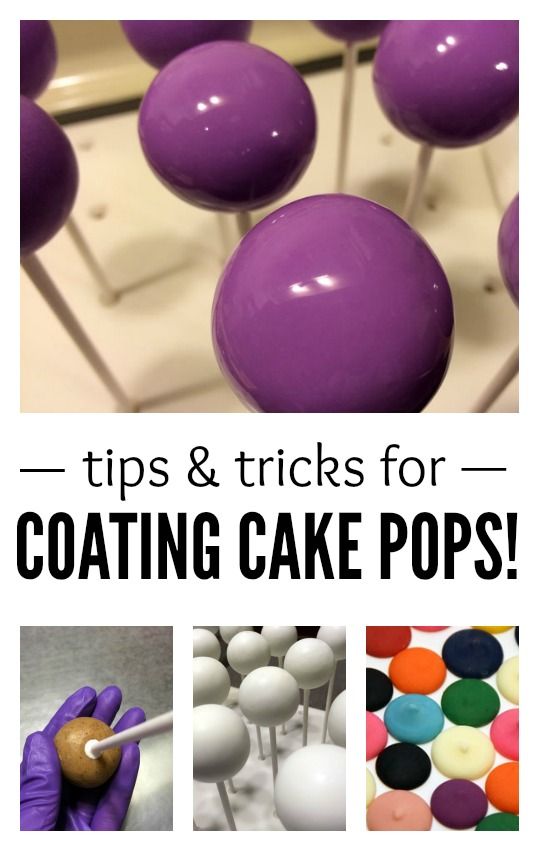


Chocolate is categorized into three main types: dark, milk, and white. Each type has a unique flavor profile and melting point, which can affect the final outcome of your cake pops.
Dark Chocolate
Dark chocolate is made from cocoa solids, sugar, and cocoa butter, with no milk added. It has a rich, intense flavor and a high melting point, making it an excellent choice for dipping cake pops. Dark chocolate's high cocoa content ensures a glossy, smooth finish and a satisfying snap when bitten into.


However, dark chocolate can be quite bitter, so consider using a semi-sweet or bittersweet variety for a balance between richness and sweetness. Some popular dark chocolate options for dipping include Callebaut, Valrhona, and Guittard.
Milk Chocolate
Milk chocolate contains cocoa solids, sugar, milk powder, and cocoa butter. It has a lower melting point than dark chocolate and a sweeter, more mellow flavor. Milk chocolate is an excellent choice if you prefer a sweeter coating or are catering to a younger audience.
When using milk chocolate, be mindful of its lower melting point to prevent it from becoming too runny or seizing. Ghirardelli and Lindt offer high-quality milk chocolate options for dipping.


White Chocolate
White chocolate is made from cocoa butter, sugar, and milk solids, with no cocoa solids present. It has the lowest melting point among the three types and a sweet, creamy flavor. White chocolate is perfect for creating colorful, eye-catching cake pops or for pairing with complementary flavors like raspberry or orange.
Due to its low melting point, white chocolate can be more challenging to work with. Be sure to temper it properly and maintain a consistent working temperature to prevent it from becoming too soft or developing a grainy texture. Valrhona and Callebaut offer high-quality white chocolate options for dipping.
Essential Techniques for Dipping Chocolate
Now that you've chosen the perfect chocolate for your cake pops, it's time to learn the essential techniques for achieving a smooth, glossy coating.


Proper chocolate tempering is crucial for ensuring your dipping chocolate has the right consistency and sets correctly. Tempering involves heating and cooling chocolate to specific temperatures to stabilize its cocoa butter crystals, resulting in a smooth, shiny finish and a satisfying snap.
Tempering Chocolate
To temper chocolate, first chop it into small pieces to facilitate even melting. Then, follow these steps:
- Melt two-thirds of the chocolate in a double boiler or microwave, heating it to 110-115°F (43-46°C) for dark chocolate, 105-110°F (40-43°C) for milk chocolate, and 100-105°F (38-41°C) for white chocolate.
- Remove the chocolate from heat and add the remaining one-third of the chopped chocolate, stirring until it's fully melted and the mixture reaches 82-84°F (28-29°C) for dark chocolate, 80-82°F (26-28°C) for milk chocolate, and 78-80°F (25-27°C) for white chocolate.
- To cool the chocolate further and encourage proper crystal formation, you can use the "tabling" method: spread the chocolate thinly on a cool, marble surface and scrape it back into the bowl using a spatula. Repeat this process until the chocolate reaches the desired working temperature (88-91°F/31-33°C for dark chocolate, 86-88°F/30-31°C for milk chocolate, and 82-84°F/28-29°C for white chocolate).
Once your chocolate is tempered, it's ready for dipping.
Dipping Techniques
There are several methods for dipping cake pops in chocolate. The most common techniques are:
- Partial Dipping: Dip the top two-thirds of each cake pop into the chocolate, allowing excess to drip off. Place the cake pop on a parchment-lined baking sheet and refrigerate until set.
- Full Dipping: Dip the entire cake pop into the chocolate, ensuring it's fully coated. Gently tap the stick against the side of the bowl to remove excess chocolate. Place the cake pop on a parchment-lined baking sheet and refrigerate until set.
- Drizzling: After partially or fully dipping your cake pops, use a fork or spoon to drizzle additional chocolate over the top, creating decorative patterns and adding visual appeal.
For an extra touch of elegance, consider adding sprinkles, edible glitter, or crushed nuts to your cake pops before the chocolate sets.
Troubleshooting Common Issues
Even with the best techniques, you may encounter challenges when dipping chocolate for cake pops. Here are some common issues and solutions:
Chocolate is too thick: If your chocolate is too thick to dip, add a small amount of cocoa butter, vegetable oil, or shortening to thin it out. Stir well to combine and adjust the consistency as needed.
Chocolate is too thin: If your chocolate is too runny, it may not coat the cake pops evenly or create a smooth finish. Allow the chocolate to cool slightly or add more chopped chocolate to thicken it. You can also temper the chocolate again to encourage proper crystal formation.
Chocolate is seizing: Seizing occurs when chocolate becomes lumpy and unworkable due to the addition of moisture. To prevent seizing, avoid getting any water or steam into your chocolate. If seizing does occur, you can try adding a small amount of vegetable oil or cocoa butter to help smooth it out. However, it's often best to start with new chocolate.
With practice and patience, you'll become a pro at dipping chocolate for cake pops, creating irresistible treats that will impress your friends and family. So go ahead, experiment with different chocolate types, and let your creativity shine through in your cake pop creations!
Related Articles

German Chocolate Cake Mix Cookies Recipe: Pillsbury's Easy Treat
Indulge in the perfect blend of convenience and decadence with our German Chocolate Cake Mix Cookies recipe, courtesy of Pillsbury. This delightful twist on a...

Easy Cake Recipe for 2-Year-Olds
Crafting a delightful and easy cake for a 2-year-old can be a fun and rewarding experience. At this age, children are exploring new tastes and textures, and a...

Simple Fruit Cake Recipe: BBC Good Food's Easy Bake
Indulge in the timeless charm of a classic fruit cake with this simple yet delightful recipe from BBC Good Food. This traditional treat is perfect for any...

Easy Zelda Cake Recipe: Bake Link's Adventure at Home
Craving a taste of Hyrule in your kitchen? Look no further than this delightful "Zelda Cake Easy" recipe, a perfect blend of Legend of Zelda fandom and baking...

Easy Reindeer Cake Recipe
Craving a festive treat that's as delightful as it is easy to make? Look no further than this enchanting reindeer cake recipe. Perfect for holiday gatherings...

Nigella Lawson's Chocolate Cake Recipe: NYT's Ultimate Indulgence
Indulge in the rich, velvety goodness of Nigella Lawson's Chocolate Cake, as featured in The New York Times. This iconic dessert is not just a cake; it's an...