Deck Stair Railing Baluster Spacing: Essential Safety Guidelines
When constructing or renovating a deck, ensuring safety and compliance with building codes is paramount. One critical aspect that often raises questions is the proper spacing of balusters in deck stair railings. This article delves into the importance of baluster spacing, the recommended spacing guidelines, and the consequences of improper spacing.
Balusters, the vertical posts that connect the handrail to the deck surface, play a pivotal role in maintaining safety by preventing falls. They also contribute significantly to the aesthetic appeal of your deck. However, if not spaced correctly, they can pose hazards, especially for young children and pets.
Understanding Baluster Spacing Guidelines
Building codes and safety standards have established baluster spacing guidelines to ensure optimal safety. The International Residential Code (IRC), widely adopted in the United States, provides clear directives on this matter.


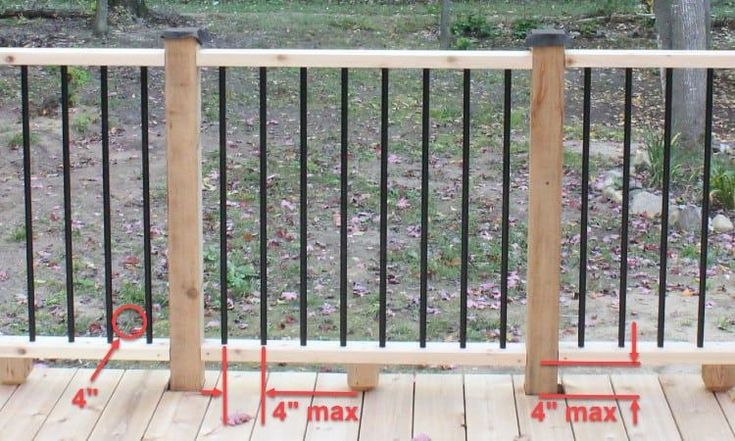
According to the IRC, the maximum allowable baluster spacing for deck stair railings is 4 inches. This measurement is taken from the inside of one baluster to the inside of the next. This guideline is designed to prevent a small child or a pet from passing through and potentially falling.
Measuring Baluster Spacing
To ensure compliance with the 4-inch rule, you can use a simple measuring tool such as a ruler or a tape measure. Here's a step-by-step process:


1. Stand the ruler or tape measure vertically against the inside of one baluster.
2. Extend the measuring tool horizontally until it touches the inside of the adjacent baluster.
3. If the measurement is 4 inches or less, your baluster spacing is compliant. If it's more, you'll need to adjust your spacing or baluster size.
Consequences of Improper Baluster Spacing
Improper baluster spacing can lead to severe consequences. Children, with their smaller stature and curiosity, are particularly at risk. They can slip through wider spaces and fall, leading to serious injuries.
Moreover, improper spacing can compromise the structural integrity of your railing system. Widely spaced balusters may cause the handrail to sag or the entire system to become unstable under weight or wind pressure.


Other Safety Considerations for Deck Stair Railings
While baluster spacing is crucial, it's not the only safety factor to consider. Other aspects include handrail height, gate latches, and material choice.
The IRC recommends handrails to be between 34 inches and 38 inches high, measured vertically from the leading edge of the tread to the top of the rail. This height range is designed to accommodate the average adult's hand position while providing adequate support.
Gate Latches and Safety
If your deck has stairs, it's essential to install a self-closing, self-latching gate at the top of the stairs. This prevents young children from accessing the stairs unsupervised and reduces the risk of falls.


Additionally, consider the material of your balusters. Glass or metal balusters can be slippery when wet, so opt for materials that provide better grip, such as wood or composite.
Proper baluster spacing is not just a building code requirement; it's a critical safety measure. By adhering to the 4-inch rule, you can significantly enhance the safety of your deck stairs. Always remember, safety should never be compromised for aesthetics. If you're unsure about any aspect of your deck's construction, consult a professional builder or your local building department.
Related Articles
Optimize Deck Safety: The Perfect Baluster Spacing for Railings
When it comes to installing deck railings, one of the most crucial aspects to consider is the spacing between balusters. This not only impacts the aesthetics...

Deck Baluster Spacing Ontario: Essential Guidelines
When it comes to home safety and aesthetics, deck baluster spacing is a critical aspect that homeowners in Ontario often overlook. Balusters, the vertical...
Deck Baluster Spacing Canada: Essential Rules & Safety Tips
When it comes to building or renovating a deck, one crucial aspect that homeowners often overlook is the spacing of their balusters. In Canada, where safety...

Stair Riser Requirements: Essential Codes & Safety Guidelines
When it comes to staircase safety and functionality, stair riser requirements are a critical aspect that should never be overlooked. Stair risers, the vertical...
Deck Baluster Spacing Template: Perfect Railing Design
When it comes to building or renovating a deck, one crucial aspect that often goes overlooked is the spacing between balusters. Baluster spacing is not just...

Pool Deck Stair Handrail: Essential Safety and Style
Safety and aesthetics go hand in hand when it comes to pool deck stair handrails. Not only do they provide essential support and guidance, but they also...