Can You Use Normal Paint on Tile?
Ever found yourself admiring the sleek, glossy finish of a freshly painted wall, only to wonder if you could achieve the same look on your tile surfaces? The short answer is yes, you can use normal paint on tile, but there are several factors to consider before you grab your paintbrush and get started.
Tiles are designed to be durable and long-lasting, but they're not immune to wear and tear. Over time, tiles can become dull, chipped, or stained, and painting them can be an affordable and effective way to breathe new life into your space. However, not all paints are created equal, and using the wrong type can lead to peeling, cracking, or a finish that's less than satisfactory.
Understanding Paint Types
Before you reach for that can of leftover paint in your garage, it's crucial to understand the different types of paint and their intended uses.


Latex and oil-based paints are commonly used on walls and ceilings, but they're not designed to adhere to the smooth, non-porous surface of tiles. On the other hand, there are specialized paints designed specifically for tile and other glossy surfaces.
Latex and Oil-Based Paints
Latex and oil-based paints are formulated to adhere to porous surfaces like drywall and wood. They're not designed to stick to the smooth, non-porous surface of tiles, which can lead to peeling, chipping, and poor coverage.


Additionally, these paints often require a primer to ensure proper adhesion and coverage. However, primers designed for walls and ceilings may not be suitable for tiles, leading to further issues down the line.
Specialty Paints for Tile
Specialty paints, such as those designed for tile, are formulated to adhere to smooth, non-porous surfaces. They often come in a variety of finishes, including gloss, semi-gloss, and satin, to help you achieve the look you want.
These paints typically require a primer designed for tile surfaces to ensure optimal coverage and adhesion. While they may be more expensive than traditional latex or oil-based paints, they're a worthwhile investment if you want a durable, long-lasting finish on your tiles.


Preparing Your Tiles for Painting
Once you've chosen the right paint for your tiles, it's time to prepare the surface for painting. This step is crucial for ensuring proper adhesion and a smooth, even finish.
Before you begin, make sure your tiles are clean, dry, and free of any dirt, grease, or debris. Any imperfections or cracks should be repaired using a suitable filler or epoxy resin.
Cleaning Your Tiles
Start by cleaning your tiles using a mild detergent or a specialized tile cleaner. This will remove any dirt, grease, or soap scum that may be present. Allow the tiles to dry completely before moving on to the next step.



For grout lines, use a stiff-bristled brush or a grout brush to scrub the surface and remove any buildup. Again, allow the tiles to dry completely before proceeding.
Applying Primer
Once your tiles are clean and dry, it's time to apply a primer designed for tile surfaces. Primers help to create a smooth, even surface for painting and can improve the adhesion and durability of your paint.
Use a paintbrush or roller to apply a thin, even coat of primer to your tiles, following the manufacturer's instructions for drying time. Most primers will require at least one hour of drying time before you can begin painting.
Painting Your Tiles
Now that your tiles are primed and ready, it's time to apply your paint. With the right paint and proper preparation, you can achieve a smooth, even finish that will last for years to come.
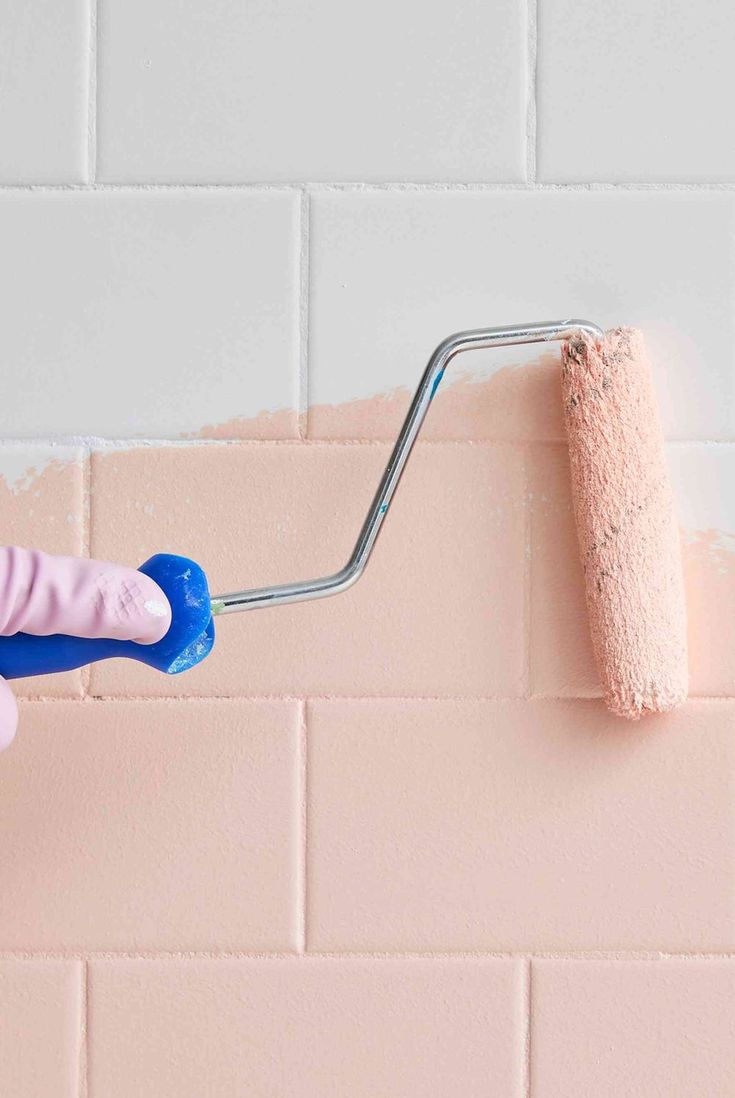
Use a high-quality paintbrush or roller designed for smooth surfaces to apply a thin, even coat of paint to your tiles. Work in small sections to ensure that the paint doesn't dry before you've had a chance to smooth out any imperfections.
Applying Multiple Coats
For best results, apply multiple thin coats of paint, allowing each coat to dry completely before applying the next. This will help to ensure even coverage and a smooth, durable finish.
Most specialty paints designed for tile surfaces will require at least two coats for optimal coverage. However, it's always a good idea to consult the manufacturer's instructions for specific guidelines.
Sealing Your Painted Tiles
Once your paint has dried completely, it's a good idea to apply a sealant designed for tile surfaces. This will help to protect your paint from moisture, stains, and everyday wear and tear.
Use a paintbrush or roller to apply a thin, even coat of sealant to your tiles, following the manufacturer's instructions for drying time. Most sealants will require at least 24 hours of drying time before they're fully cured and ready for use.
With the right paint and proper preparation, you can achieve a beautiful, long-lasting finish on your tile surfaces. Whether you're looking to update a tired bathroom or add a pop of color to your kitchen backsplash, painting your tiles can be an affordable and effective way to transform your space. So go ahead, grab your paintbrush, and let your creativity shine!
Related Articles

Can You Paint Ceramic Tile Backsplash?
Ever looked at your kitchen or bathroom and thought, "I wish I could give this backsplash a fresh new look"? You're not alone. Ceramic tile backsplashes are a...

Transform Your Fireplace: Ceramic Tile Paint Ideas
Are you looking to transform your fireplace with a fresh, vibrant look? Consider fireplace ceramic tile paint, a versatile and durable solution that can...

Can You Use Normal Paint on Ceramic?
Ever found yourself admiring the sleek, glossy finish of ceramic tiles and wondered if you could achieve the same look with your trusty can of latex paint? The...

Can You Use Normal Acrylic Paint on Ceramic?
Ever found yourself admiring a beautifully painted ceramic mug or vase, wondering if you could achieve a similar effect with your favorite acrylic paints? The...

DIY Tile Frame: Easy Steps for a Perfect Finish
Transforming your space into a stylish oasis doesn't always require a hefty budget or professional help. With a bit of creativity and some basic tools, you can...

Angled Tray Ceiling Paint Ideas: Transform Your Space
Transforming your space with a touch of elegance and sophistication is easier than you think, especially with the right paint ideas for your angled tray...