1940s Actors: A Comprehensive List
The 1940s, a decade marked by World War II and the Golden Age of Hollywood, saw a remarkable array of actors grace the silver screen. This era, often referred to as the "Golden Age of Cinema," produced some of the most iconic performances and enduring stars in film history. Let's delve into the world of 1940s actors, exploring their notable works, unique styles, and lasting legacies.
This decade was a time of significant change and growth in the film industry. The introduction of Technicolor and widescreen formats allowed for more vibrant and immersive storytelling. Moreover, the war effort led to an increase in propaganda films and a shift in the types of stories being told. Through it all, actors of the 1940s rose to the occasion, delivering powerful performances that captivated audiences worldwide.
Leading Ladies of the 1940s
The 1940s saw the rise of strong, independent women on screen, reflecting the changing roles of women in society. These leading ladies brought depth and complexity to their characters, challenging traditional gender norms.

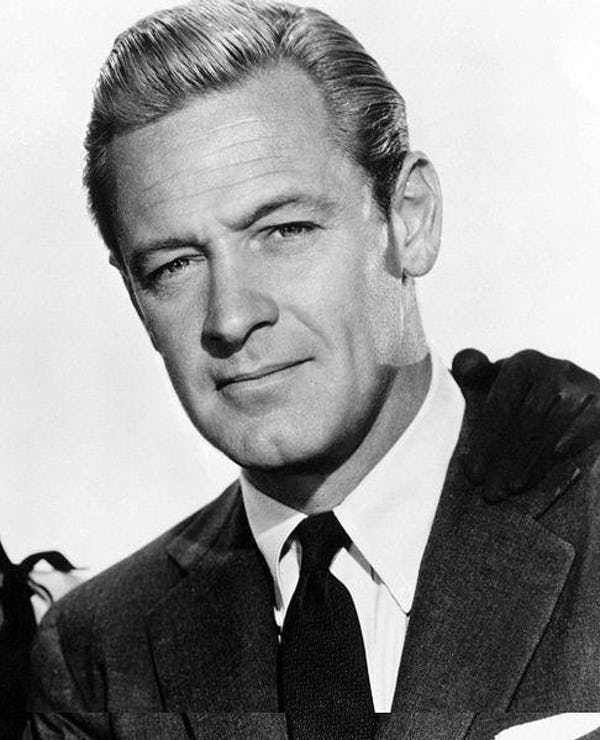

One such actress was Bette Davis, known for her intense and emotionally charged performances. Davis, often referred to as the "First Lady of the American Screen," was a trailblazer for actresses in Hollywood. Her iconic roles in films like "Jezebel" (1938) and "Now, Voyager" (1942) showcased her remarkable range and talent.
Bette Davis: A Force to Be Reckoned With
Davis was known for her ability to portray strong, often flawed, women with incredible depth. Her performances were marked by a raw emotional intensity that captivated audiences and earned her a reputation as one of the greatest actresses of her time.


One of her most memorable roles was that of Margo Channing in "All About Eve" (1950), a film released just beyond the 1940s but a testament to her enduring influence. In this role, Davis delivered a tour de force performance, showcasing her ability to portray both vulnerability and strength in a single character.
Greer Garson: The Queen of Warner Bros.
Greer Garson, another leading lady of the 1940s, was known for her elegant and sophisticated portrayals. She was often cast in roles that showcased her ability to convey both strength and grace under pressure.
Garson's most famous role was that of Mrs. Miniver in "Mrs. Miniver" (1942), a film that won multiple Academy Awards, including Best Picture. Garson's portrayal of a British housewife turned war heroine was a powerful reflection of the resilience and courage of women during World War II.


Golden Boys of the Silver Screen
The 1940s also saw the rise of several leading men who would become icons of the Golden Age of Hollywood. These actors brought a sense of rugged charm and sophistication to their roles, captivating audiences with their on-screen presence.
One such actor was Humphrey Bogart, known for his portrayal of tough, cynical characters. Bogart's distinctive voice and no-nonsense attitude made him an icon of 1940s cinema. His most famous role, that of Rick Blaine in "Casablanca" (1942), is often cited as one of the greatest film performances of all time.
Humphrey Bogart: The Quintessential Tough Guy
Bogart's ability to convey both toughness and vulnerability made him a compelling screen presence. His performances in films like "The Maltese Falcon" (1941) and "Key Largo" (1948) showcased his ability to bring depth and complexity to even the most hardened characters.


Bogart's influence extended beyond his performances. His iconic style, including his trench coat and fedora, became synonymous with the 1940s film noir genre. Today, Bogart remains one of the most recognizable and beloved actors of the era.
Cary Grant: The Master of Sophisticated Comedy
Cary Grant, another leading man of the 1940s, was known for his ability to blend comedy and drama. His sophisticated, debonair persona made him a natural fit for screwball comedies and romantic dramas alike.
Grant's most famous roles include that of Walter Burns in "His Girl Friday" (1940) and that of Devlin in "Notorious" (1946). In these roles, Grant showcased his ability to deliver witty dialogue with impeccable timing, while also bringing depth and emotion to his characters.
From the leading ladies who challenged gender norms to the leading men who defined the rugged charm of the era, the actors of the 1940s left an indelible mark on cinema. Their performances continue to inspire and influence actors today, serving as a testament to the enduring power of great storytelling. As we look to the future of film, we can take comfort in the knowledge that the spirit of these 1940s actors lives on, inspiring new generations of performers to carry on their legacy.
Related Articles

Hanging Basket Names: A Comprehensive List
Hanging baskets, a delightful addition to any outdoor space, come in a variety of names that often reflect their design, origin, or the plants they hold...

Potted Flowers: A Comprehensive List
Transforming your indoor spaces into vibrant, lush oases is easier than you think with the right potted flowers. These compact, portable plants not only...

Modern Landscaping Plants: A Comprehensive List
In the realm of modern landscaping, plants play a pivotal role in transforming outdoor spaces into vibrant, inviting, and sustainable environments. With an...

Top Food Delivery Services: A Comprehensive List
In the digital age, food delivery services have become an integral part of our daily lives, offering convenience and variety at our fingertips. With a plethora...

Essential Vegetable Garden Tools: A Comprehensive List
Embarking on the rewarding journey of vegetable gardening often begins with selecting the right tools. Having the appropriate garden tools not only makes the...

Memory Quilt Prices: Comprehensive 2023 List
Embarking on a journey to create a memory quilt, a cherished keepsake that preserves precious moments, often leads to an inevitable question: "What is the cost...